Older-Home Drain Guide
Why Drains Keep Clogging in Older Ventura Homes
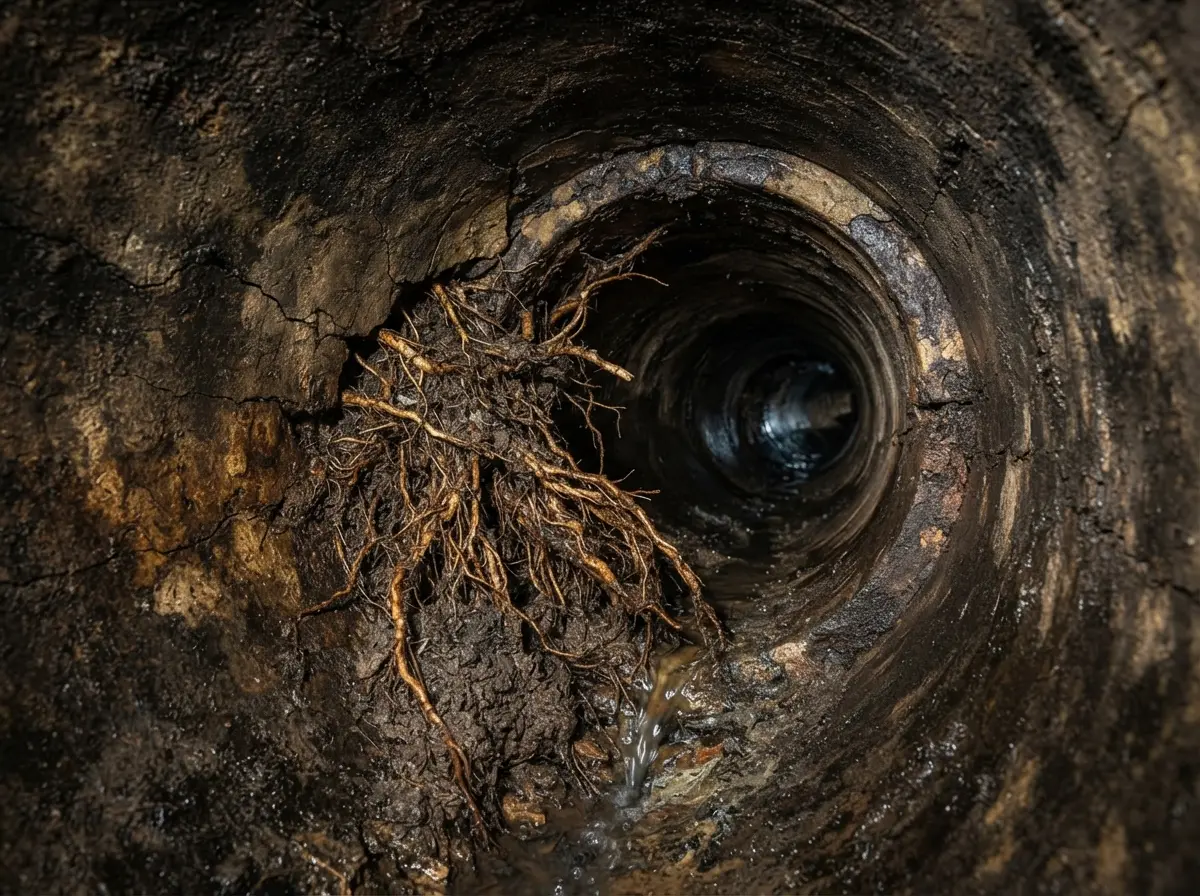
When the same line backs up again and again, the blockage is often only the symptom. Pipe material, internal scale, roots, or a damaged section may be rebuilding the problem.
Why does the same drain keep clogging?
If a drain has been cleared several times and keeps backing up, something inside the line is probably catching new debris. In older Ventura homes, common reasons include rough or scaled cast iron, roots entering through joints or cracks, a sag or offset, and deteriorated sewer material such as Orangeburg. Snaking can reopen the line, but a camera inspection is what separates removable buildup from a structural defect.
If you have snaked the same drain three times this year, the problem is usually not the clog itself. It is what is left behind after the clog clears. In many older Ventura County homes, that remaining condition explains why the same drain backs up no matter how often a cable opens it.
The clog that keeps coming back is a symptom
A single clog can happen in any home. Hair, grease, soap residue, food waste, and non-flushable products accumulate over time. What deserves a closer look is the same drain clogging every few months, several fixtures slowing together, or each clear period becoming shorter. Those patterns suggest that the pipe is still narrowed, damaged, or receiving material through an opening.
Usually a branch-drain issue
One sink, shower, or tub is slow while nearby fixtures work normally. Hair, soap, grease, or a local obstruction is more likely.
Possible main-line issue
Several fixtures slow together, a toilet affects a tub or shower, the lowest drain backs up first, or an exterior cleanout overflows.
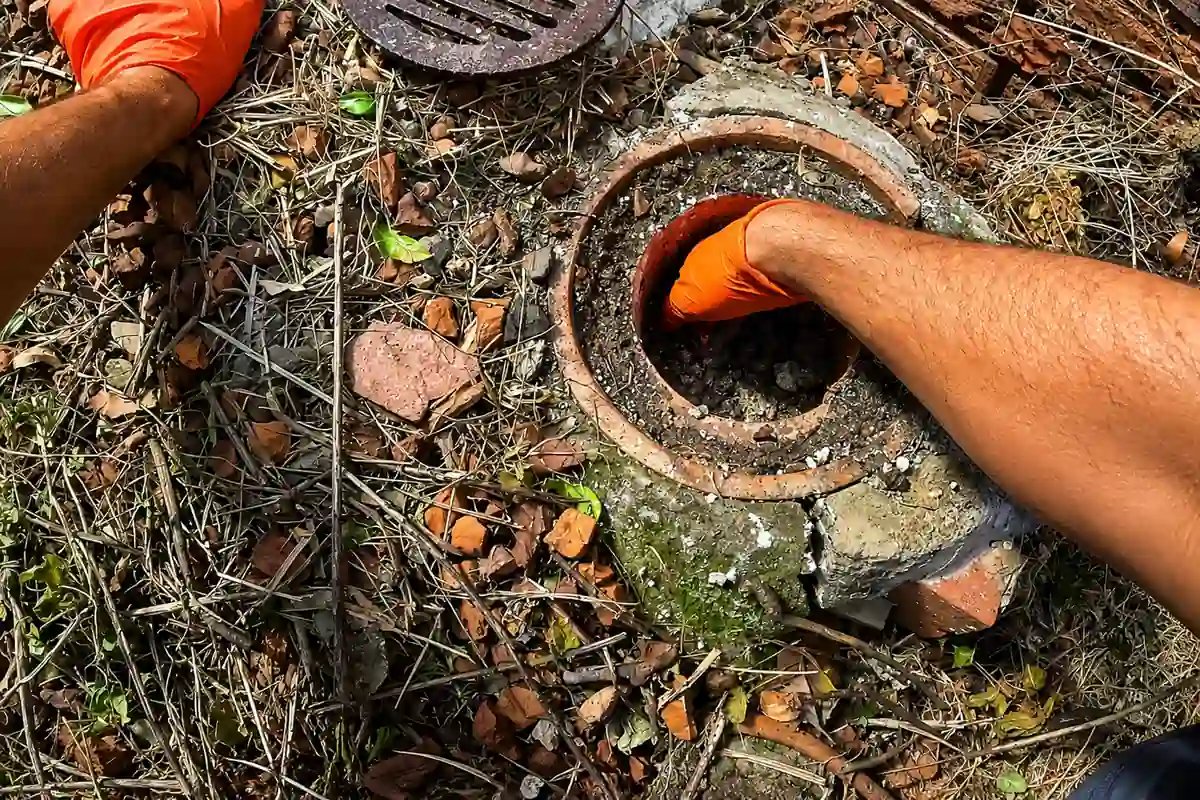
The location still has to be confirmed. A symptom pattern can narrow the possibilities, but it cannot show pipe material, wall condition, roots, offsets, bellies, or a partial collapse.
Why recurring clogs are more common in older homes
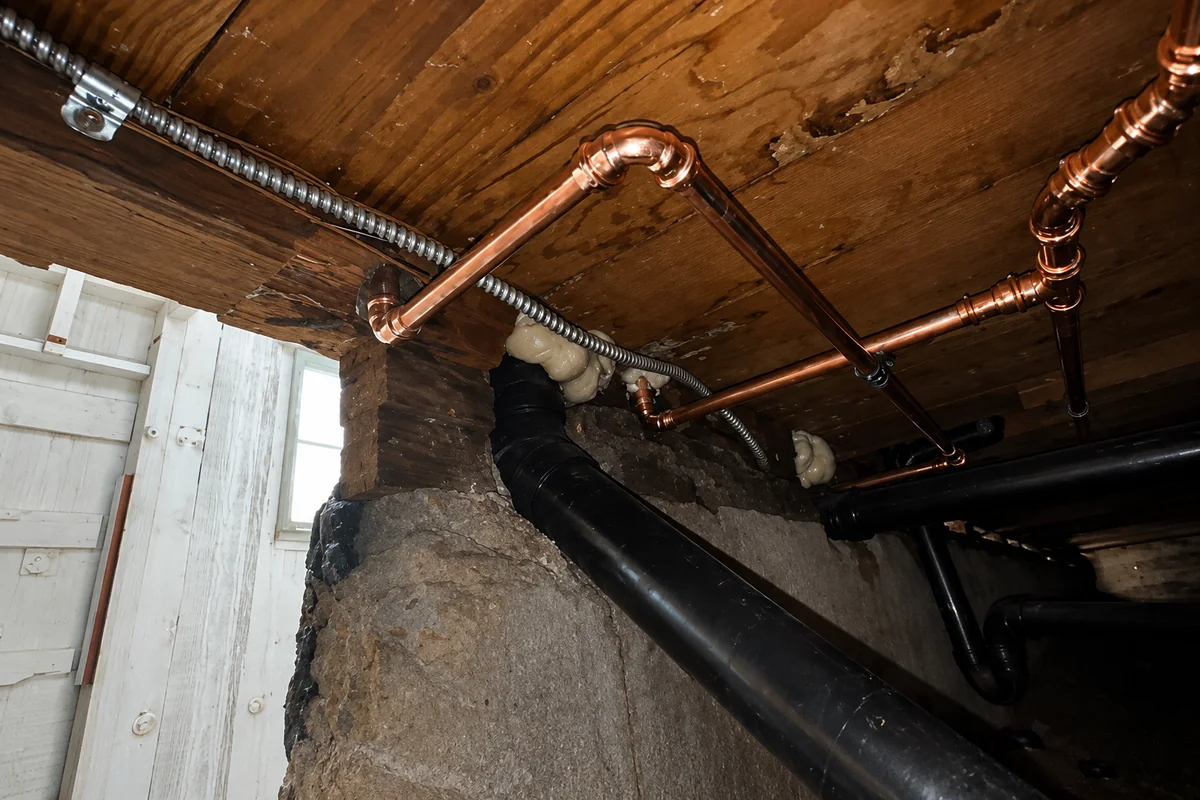
Older housing is not automatically defective, but original drain and sewer materials have had more time to corrode, deform, separate at joints, and collect buildup. Four conditions deserve particular attention.
Cast iron scale and corrosion
Cast iron can develop a rough, crusted interior over decades. The usable opening narrows and paper, grease, hair, and waste catch more easily on the irregular wall.
Orangeburg deformation
Some mid-century properties may contain bituminized fiber sewer pipe commonly called Orangeburg. As it ages, it can flatten, blister, deform, or collapse. Cleaning cannot restore a pipe that has lost its shape.
Root intrusion
Roots enter through an available defect such as a separated joint or crack. Cutting the roots restores flow temporarily, but regrowth is likely while the entry point remains open.
Mineral-rich local water
Ventura’s water is very hard by every local source. Mineral deposits can contribute to rough buildup in certain lines, though grease, corrosion, debris, roots, and pipe damage are often the larger causes of a recurring sewer clog.
What the pattern can tell you before a camera inspection
| What you notice | What it may indicate | Useful next step |
|---|---|---|
| One fixture clogged once | A local hair, soap, grease, or object blockage | Clear the branch drain and monitor it |
| Same fixture repeatedly slows | Persistent wall buildup, poor slope, a local defect, or an obstruction that was not fully removed | Inspect that branch if the pattern continues |
| Several fixtures back up together | A downstream branch or main sewer restriction | Stop using water and locate the affected line |
| Roots return after cutting | An open joint or crack remains accessible to roots | Camera the entry point and evaluate repair |
| Line clears but stays sluggish | Scale, grease, sediment, a belly, or reduced pipe diameter | Inspect before selecting the next cleaning method |
Why snaking alone may not end the cycle
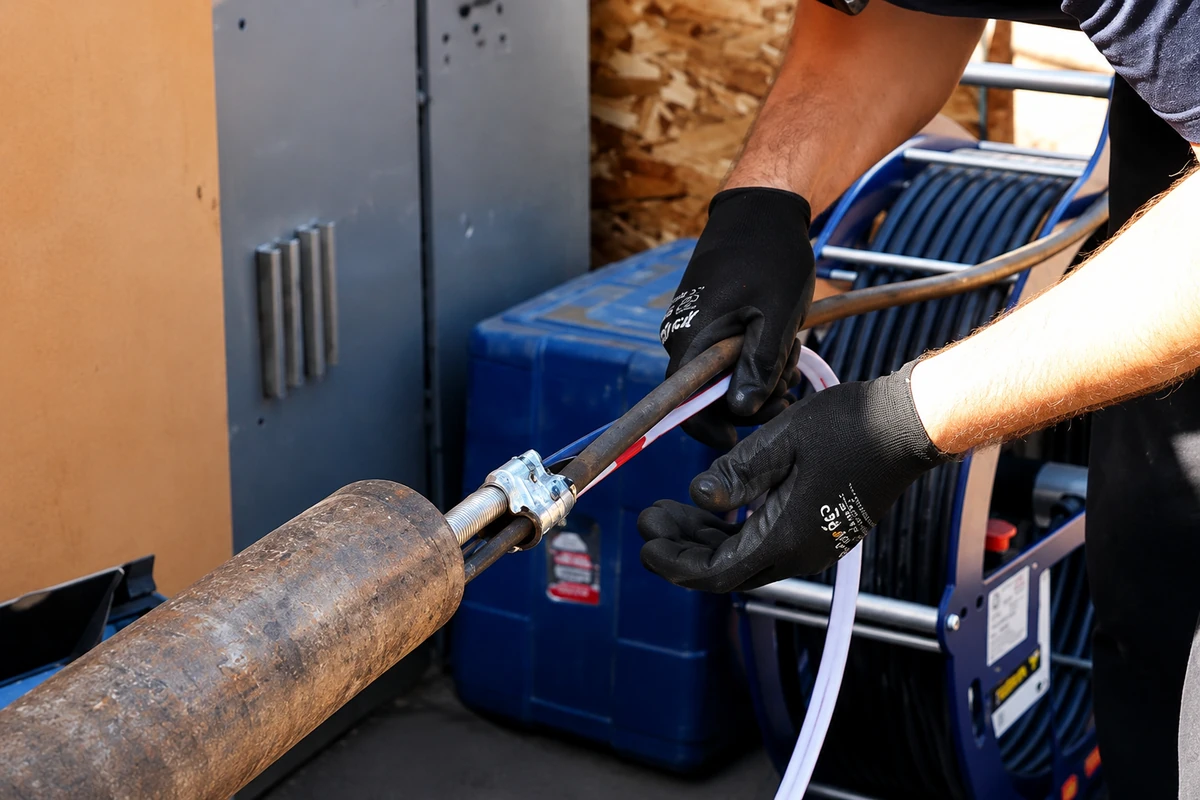
A cable or snake clears an immediate blockage by boring, cutting, or pulling a path through it. That is often exactly the right solution for an isolated clog. It does not remove every layer from a rough pipe wall, straighten deformed Orangeburg, correct a belly, realign an offset joint, or close a crack where roots enter.
That is why a drain can test clear on the day it is serviced and back up months later. The clearing may have worked as intended, while the condition that catches the next wave of debris remained. Repeatedly using the same method without identifying that condition can buy shorter and shorter periods of normal drainage.
What actually breaks the cycle
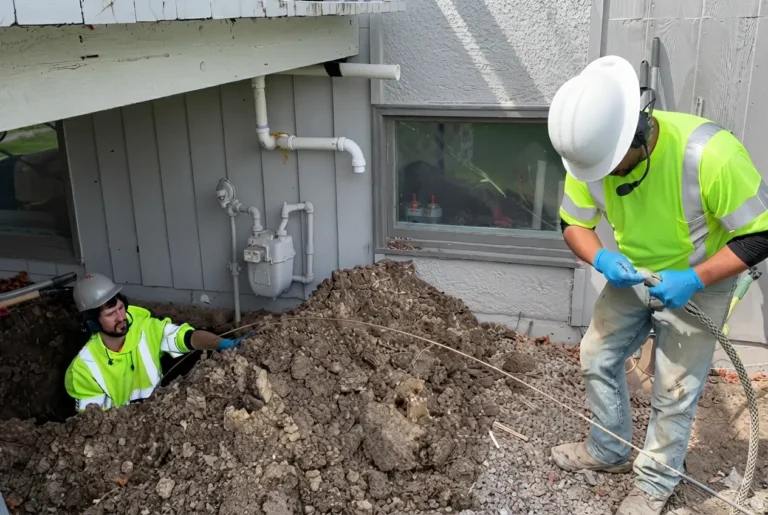
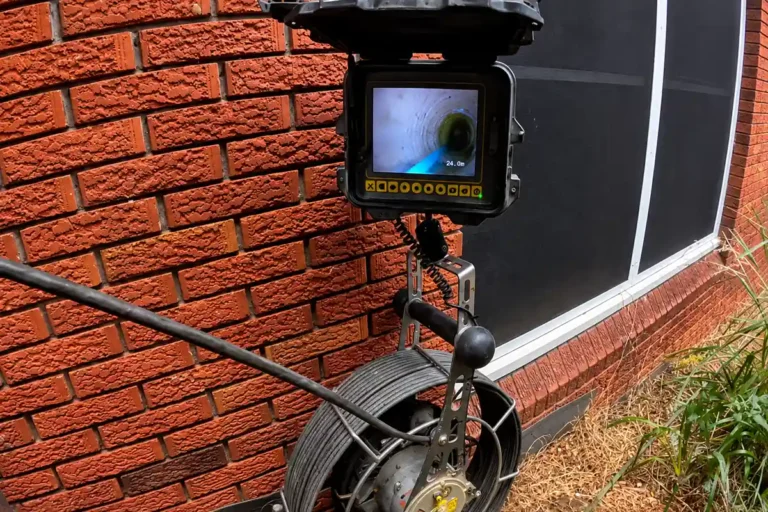
Getting an actual look inside the line changes the conversation from “What usually causes this?” to “What is visible in this pipe?” A sewer camera can locate root entry, heavy wall buildup, standing water in a belly, separated or offset joints, deformation, and a partially collapsed section. It also helps identify where the defect sits in relation to a cleanout, foundation, yard, or property connection.
Best for many isolated obstructions and for restoring an opening through a blockage.
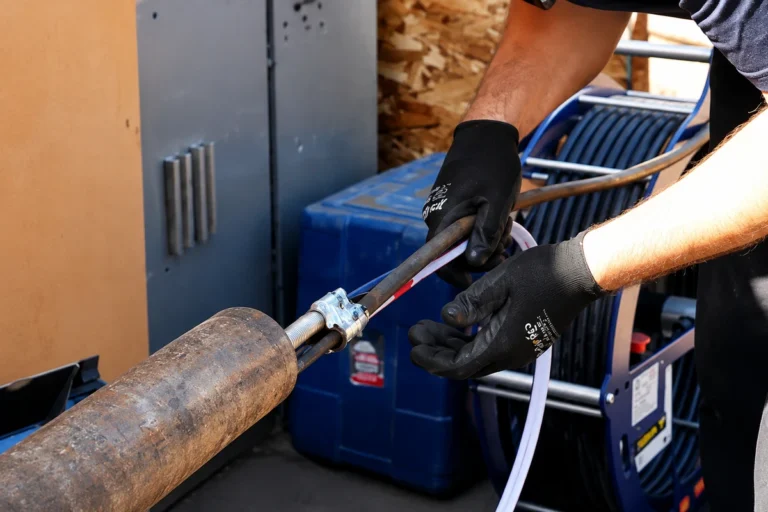
Useful for compatible pipe with grease, sludge, soft root mass, sediment, or removable wall buildup. It does not repair an opening or correct a failed pipe shape.
May be considered when hardened rust and scale have reduced a structurally sound cast iron line. The material and remaining wall thickness matter.
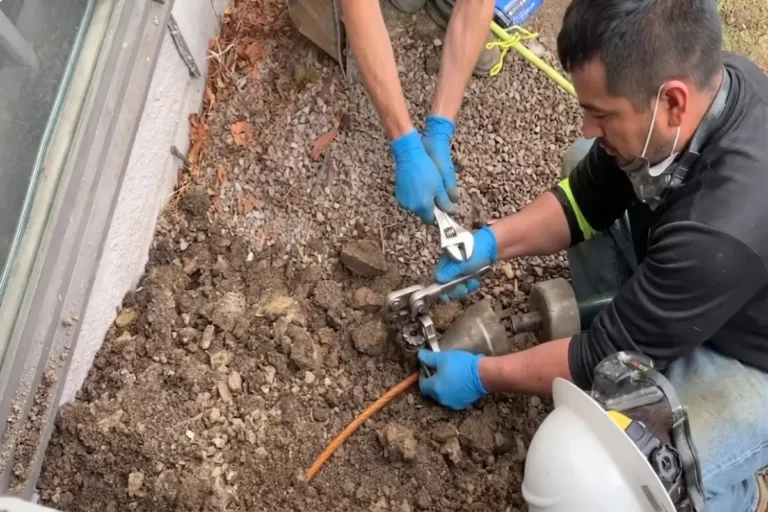
Addresses a confirmed crack, offset, root-entry point, or failed section when the rest of the lateral remains serviceable.
A camera does not replace professional judgment, and standing water or heavy blockage can limit the first view. Sometimes the line must be opened enough to pass the camera before the full condition becomes visible. Our sewer camera inspection guide explains what the inspection can confirm and how the findings affect the repair decision.
When to stop repeating the same drain cleaning
One successful clearing followed by years of normal use is not a reason to replace a sewer line. The point to investigate is a repeating pattern: the same location clogs again, multiple fixtures become involved, roots are found more than once, the drain never returns to normal speed, or each service lasts for less time.
Write down which fixtures were affected, whether another fixture triggered the backup, what method was used previously, and how long the line stayed clear. That history helps distinguish a new everyday clog from the same unresolved pipe condition.
Ready to diagnose the recurring clog?
Start with the full drain cleaning service in Ventura to see how Sespe approaches branch drains, main lines, access, cleaning methods, and written estimates. Call 805-285-4021 if the same line keeps backing up and you want the cause checked instead of guessed.
Frequently asked questions
Why does my drain keep clogging even after it is snaked?
Snaking clears the immediate blockage but does not remove every layer of scale, fix a flattened pipe section, correct poor slope, or repair a crack that roots are using to enter. If the underlying condition remains, the same area can catch debris again.
How do I know if my home has Orangeburg pipe?
Orangeburg was used in some mid-century sewer installations, but a home’s age alone does not confirm it. Property records may help, and a camera inspection can show material characteristics and deformation inside the lateral. Excavation may be needed for absolute confirmation in an unclear section.
Does hard water really make clogs worse?
Mineral-rich water can contribute deposits in plumbing, but it should not be blamed for every recurring drain clog. Grease, corrosion, rough cast iron, roots, pipe slope, and structural damage may be more important. An inspection should identify what is actually narrowing the line.
Is hydro-jetting better than snaking for a recurring clog?
It can remove more grease, sludge, soft roots, and removable wall buildup than cabling alone. It is not automatically appropriate for deformed, collapsed, cracked, or severely corroded pipe. The pipe condition should be checked first.
Can tree roots get into a sewer line with no obvious damage?
Yes. Roots can enter through a small crack or separated joint that is underground and invisible from the surface. Cutting the roots clears the symptom, but they can return while the entry point remains open.
How often should an older home get its drains inspected?
There is no fixed schedule that fits every property. A recurring clog in the same spot, repeated root findings, several fixtures backing up together, or a line that stays slow after clearing are practical reasons to inspect it.