Gas Safety Guide
What to Do If You Smell Gas Near a Water Heater
Leave first, call from a safe location, and let the utility handle the immediate danger before anyone investigates the appliance or piping.
If you smell gas now, stop reading and leave
Get everyone out of the area immediately. Do not flip switches, use a phone or electronic device inside, light a flame, operate equipment or a vehicle nearby, or try to find or control the leak. From a safe location, call SoCalGas at 1-800-427-2200. Call 911 from a safe location if damage may endanger life, cause bodily harm or property damage, or if you cannot reach SoCalGas.
This guide explains why an odor may be noticed near a water heater, who is responsible for different parts of the gas system, and what happens after the immediate emergency is handled. It is not a substitute for evacuating first or following instructions from SoCalGas or emergency responders.
Leave the building or affected area and bring everyone with you.
Do not use switches, devices, flames, engines, or anything that could spark.
Contact SoCalGas at 1-800-427-2200 only after you are away from the suspected leak.
Do not re-enter to inspect, ventilate, shut a valve, or collect belongings unless responders say it is safe.
Why the smell may appear near a water heater
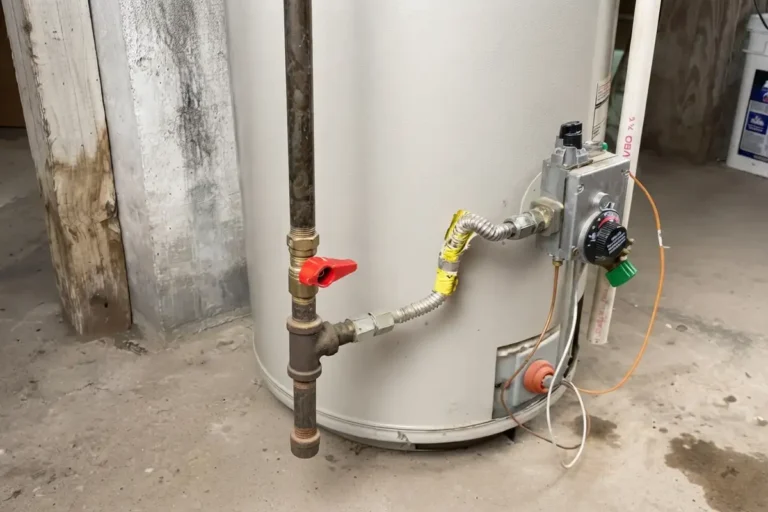
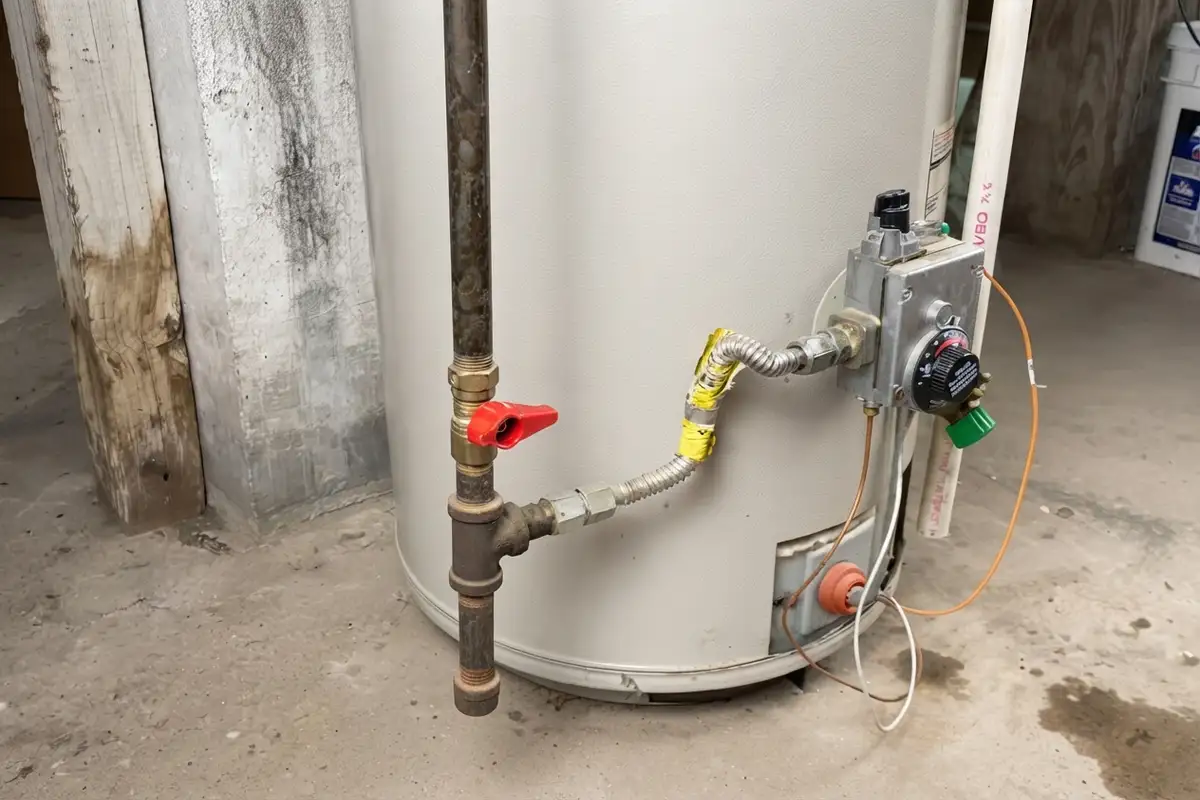
A gas water heater brings several fuel-system components together in one location. The odor may seem strongest there because the appliance connects to the home’s gas piping and contains valves and burner-related components. Possible fault locations include the appliance connector, threaded fittings, gas control valve, and pilot or burner assembly on applicable models.
Connections and fittings
A damaged connector, worn seal, loose connection, or deteriorated fitting can allow gas to escape.
Valve or appliance component
A failing control valve or burner-related component may require replacement after the source is professionally confirmed.
Corroded customer piping
Metal piping can develop unsafe conditions, including corrosion and leakage, particularly where customer-owned lines are exposed or buried.
The odor may travel
Where the smell seems strongest is not reliable proof of the leak location. Testing is needed after the area has been made safe.
Do not use a handheld detector, soap solution, flame, or close visual inspection to investigate while gas is suspected. Those actions delay evacuation and can put the person testing directly beside the possible leak.
Who is responsible for the gas line?
SoCalGas maintains its facilities up to the customer handoff point. Customer-owned piping generally begins after the meter and may run to the water heater, furnace, range, pool equipment, outdoor appliances, or another building. SoCalGas directs customers to a qualified professional for inspection and repair of customer-owned lines.
| Part of the system | Typical responsibility | What happens next |
|---|---|---|
| Utility service facilities and meter | SoCalGas | The utility investigates and handles its own facilities. |
| Piping after the meter | Property owner | A qualified plumbing or heating professional inspects and repairs customer-owned piping. |
| Water-heater connector or appliance component | Property owner | The exact failed connection or component must be identified before repair or replacement. |
| Natural gas service valve | SoCalGas or an authorized contractor | Service shutoff and restoration are coordinated with the utility. |
What happens after you report the odor?
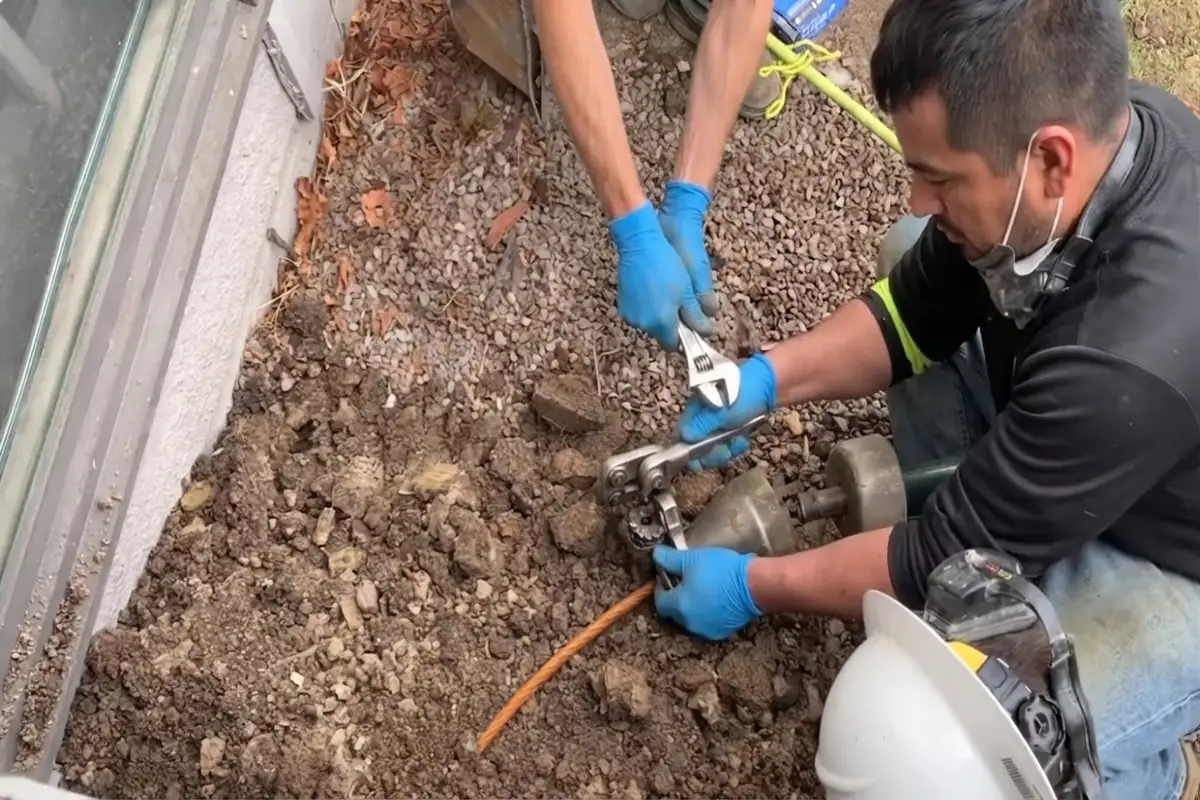
SoCalGas sends trained personnel to investigate a reported leak. Depending on what they find, gas service or the affected appliance may be shut off or left disconnected until the unsafe condition is corrected. Do not attempt to restart the appliance, relight a pilot, or restore gas yourself after a suspected leak.
- The immediate area is investigated. The utility checks the reported condition and determines whether service or an appliance must remain off.
- Customer-owned defects are identified for repair. A qualified professional evaluates the appliance connection, valves, fittings, and relevant piping.
- The failed part is repaired or replaced. The correction depends on the confirmed source, not where the odor seemed strongest.
- Restoration is coordinated safely. Service is restored only through the appropriate utility process after required repairs and safety checks are complete.
What a plumbing professional does to find and fix it
Once the immediate emergency is controlled, diagnosis may include isolating and pressure testing the relevant customer-owned piping, checking accessible fittings and connections, and evaluating the gas control and appliance connector. The method depends on what SoCalGas found, whether service was shut off, and which part of the system is suspected.
A fitting may need to be resealed or replaced. A damaged flexible connector, failing gas control valve, corroded pipe section, or unsafe appliance component may require replacement. The system then needs appropriate testing before it returns to service. This is why guessing based on odor alone is not a safe repair method.
After the emergency is controlled
For the complete inspection and repair process, see our gas line repair service in Ventura. Call Sespe Plumbing Pros at 805-285-4021 only after you are safely outside and have reported the suspected leak to SoCalGas.
Frequently asked questions
What should I do first if I smell gas near my water heater?
Leave the area immediately, avoid switches, phones, flames, engines, and anything that could create a spark, then call SoCalGas at 1-800-427-2200 from a safe location.
Is it safe to check the water heater myself to find the leak?
No. Do not attempt to locate, test, or investigate a suspected gas leak yourself. Evacuate and let SoCalGas handle the immediate investigation. A qualified professional can evaluate customer-owned piping or the appliance after the area is safe.
Who is responsible for a gas leak at my water heater, me or SoCalGas?
SoCalGas maintains its utility facilities. Piping after the meter and the connection to the water heater are generally customer-owned, so a qualified plumbing or heating professional handles those repairs after the utility addresses the immediate hazard.
Can I turn my own gas back on after it has been shut off?
Do not restore gas or restart the appliance after a suspected leak. Coordinate repairs and restoration with SoCalGas. The utility or its authorized contractors operate the natural gas service valve.
Does a gas smell always mean an active leak?
Treat any natural gas odor or other leak sign as a real leak until SoCalGas determines the area is safe. Do not wait to see whether the smell fades, and do not use odor strength to judge the danger.
What actually fixes a gas leak at a water heater?
The repair depends on the confirmed source. A connection may need resealing or replacement, while a damaged connector, failing valve, corroded pipe, or unsafe appliance component may require replacement and testing before service is restored.