Ventura County Sewer Guide
Should You Choose Trenchless Sewer Replacement or Open Excavation?
Both methods can solve a failed sewer lateral. The better choice depends on pipe condition, grade, access, nearby utilities, surface restoration, and what the inspection actually shows.
Is trenchless sewer work better than traditional digging?
Not in every situation. Pipe bursting can replace a deteriorated line through access pits, while CIPP lining can rehabilitate a suitable existing pipe from inside. Traditional open-cut excavation exposes the pipe directly and may be the better choice when grade must be corrected, a severely displaced section must be rebuilt, access is limited, or multiple fittings and connections need hands-on work. A camera inspection, line locating, site access review, utility check, and permit review should guide the decision.
Once an inspection confirms that clearing the line or making a small spot repair will not provide a durable solution, homeowners face a second question: how should the failed section be renewed? “Trenchless” sounds like the obvious answer because it can preserve more of the yard or hardscape. Yet the smallest excavation is not automatically the best repair.
The goal is to select a method that addresses the actual defect while accounting for the entire project. That includes access pits, cleanouts, branch connections, pipe depth, slope, soil, utilities, permits, restoration, and the condition of the host pipe. Comparing only the price per foot or the size of the excavation can hide costs and limitations that matter later.
The methods at a glance
| Factor | Pipe bursting | CIPP lining | Traditional excavation |
|---|---|---|---|
| What it does | Breaks or splits the old pipe while pulling a new pipe into its path. | Creates a cured structural liner inside the existing host pipe. | Exposes, removes, and replaces the pipe through an open trench. |
| Excavation | Usually requires launch and receiving access pits, plus access at some connections. | Often uses existing access or smaller access points, depending on the installation. | Requires excavation along the section being replaced. |
| Existing alignment | Generally follows the existing route and does not automatically correct a bad grade. | Conforms to the host pipe, so the existing line and grade remain. | Allows the route, bedding, slope, and fittings to be physically rebuilt where feasible. |
| Pipe condition | Can replace heavily deteriorated pipe when the route and project conditions permit. | Needs a path that can be cleaned, prepared, and lined to the required design. | Useful where direct exposure is needed for collapse, severe displacement, grade correction, or complex connections. |
| Surface impact | Usually less than a continuous trench, but pits still require restoration. | Often the least surface disturbance of the three. | Usually the most disruptive, particularly below driveways or finished landscaping. |
This is a planning comparison, not a promise that every method is available at every house. The inspection and proposed design should explain why a specific method is suitable for that specific line.
What traditional sewer excavation involves
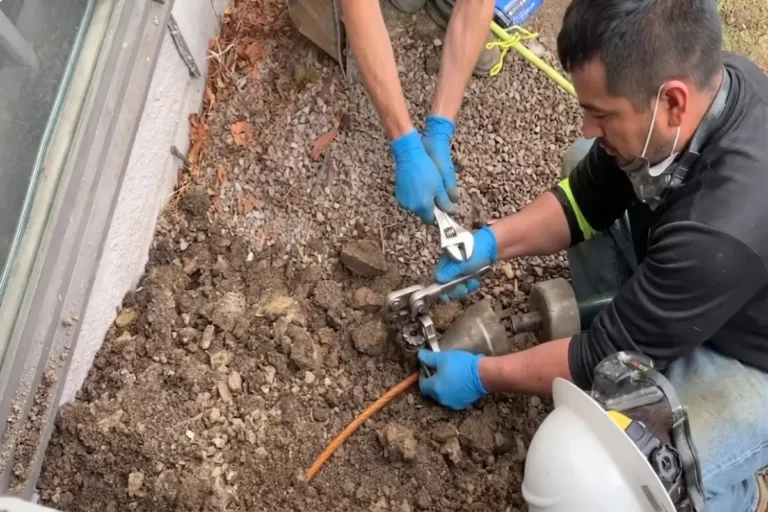
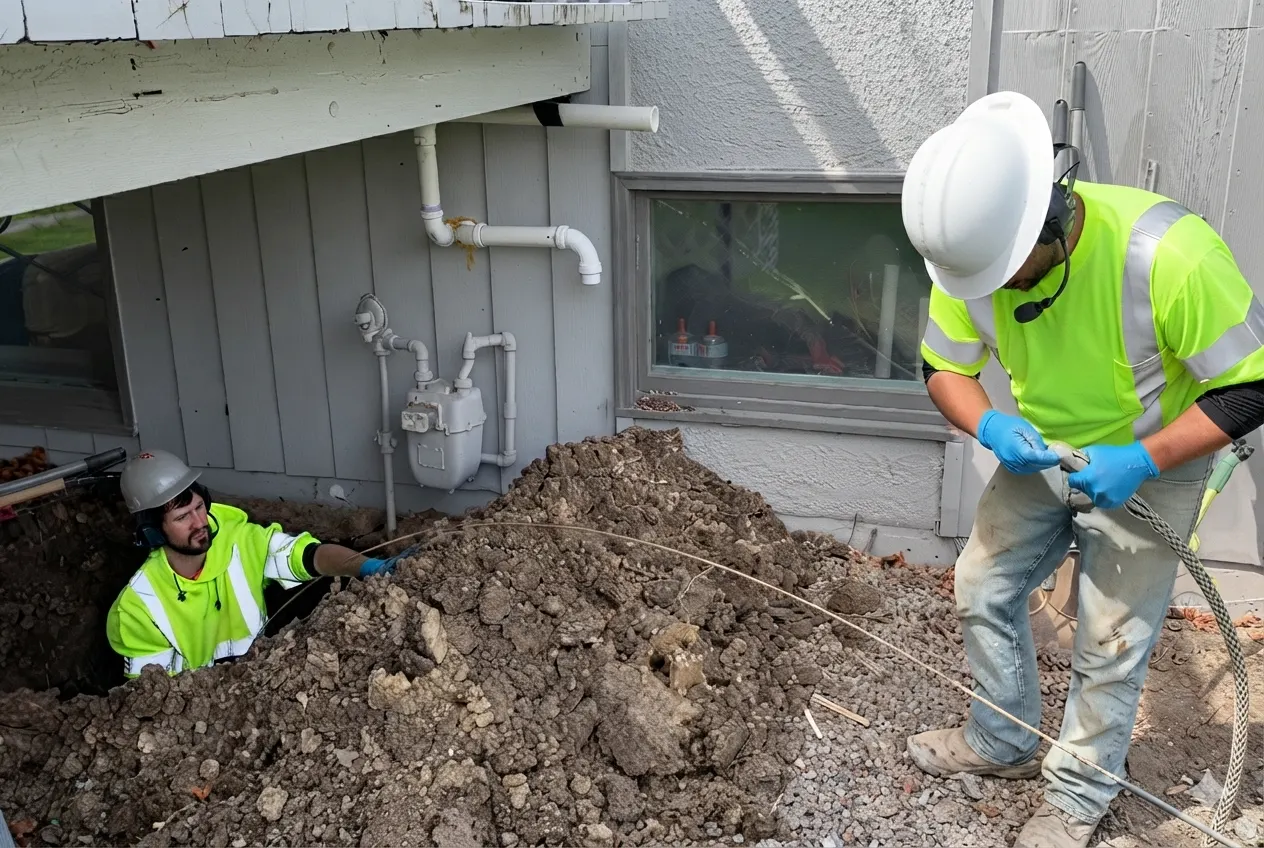
Traditional open-cut replacement exposes the failed pipe by digging along the repair path. The crew can remove damaged material, rebuild bedding, set new pipe to the required slope, reconnect fittings, and inspect the work before backfilling. That direct access is the method’s greatest strength.
It can also be its greatest inconvenience. Soil, concrete, pavers, plants, fences, or driveway sections may have to be removed. Excavated areas need safe access and protection, and the finished surface must be restored after the pipe passes inspection. Where the line crosses a carefully landscaped yard or expensive hardscape, restoration may represent a meaningful part of the project.
What “trenchless replacement” can mean
The term covers more than one process. For residential sewer laterals, the two methods homeowners most often hear about are pipe bursting and cured-in-place pipe lining. They are not interchangeable.
Pipe bursting
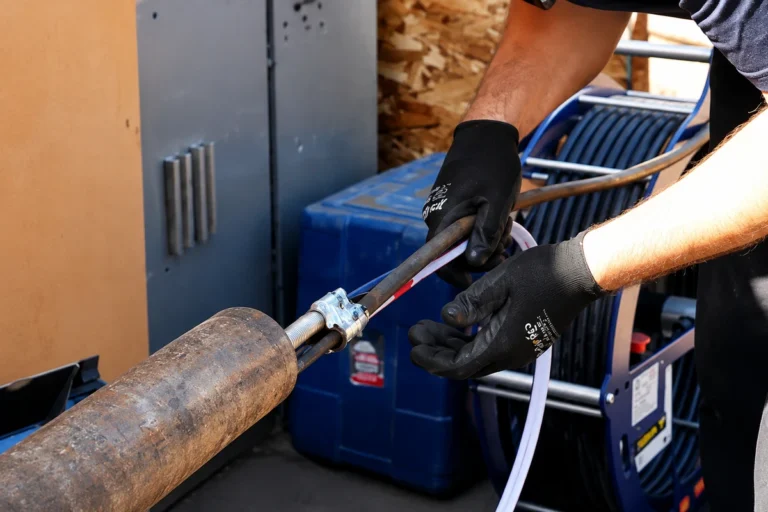
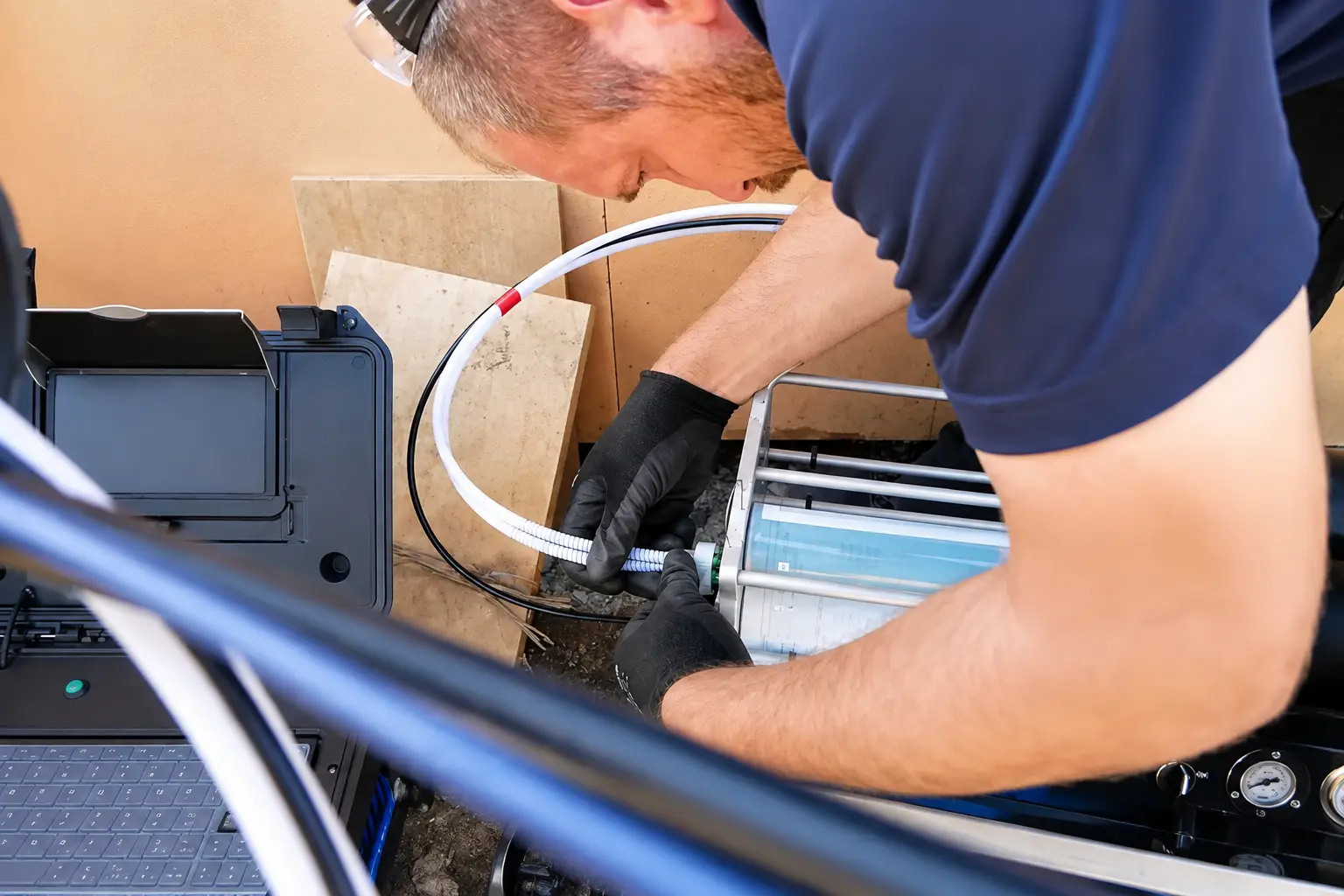
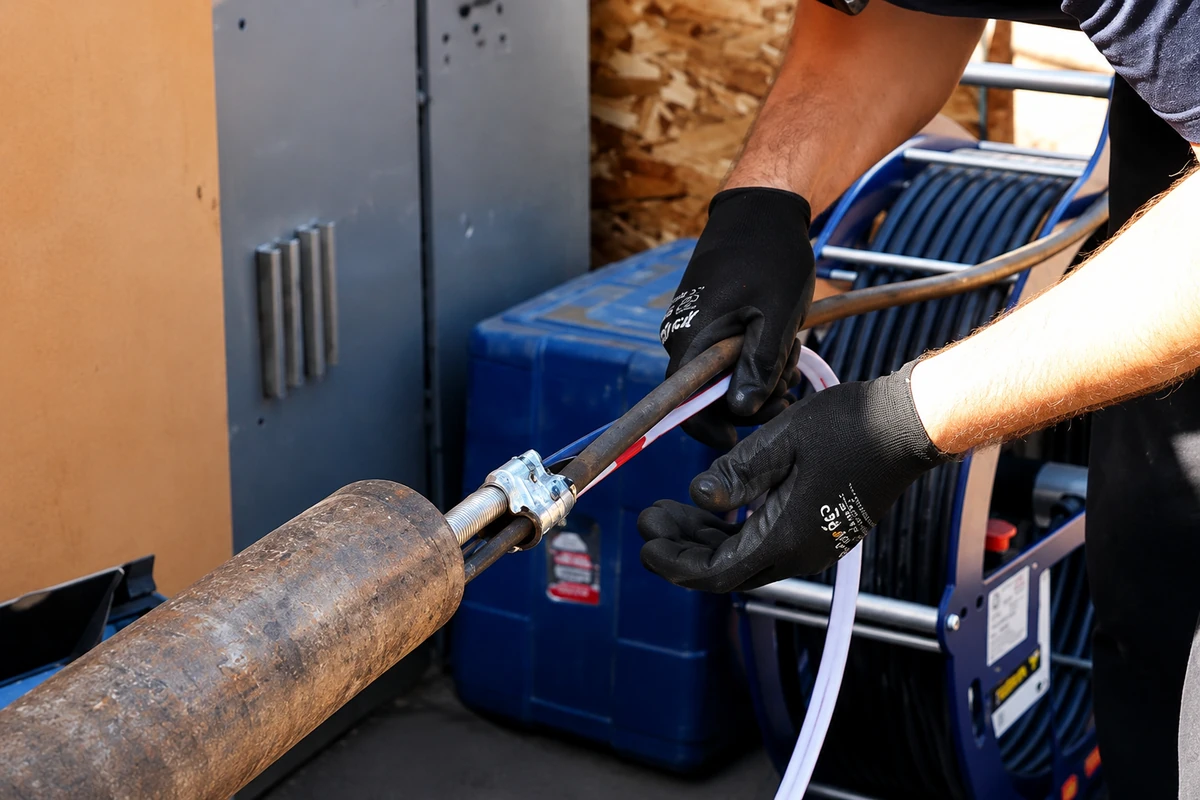
A bursting head travels through the existing pipe, fracturing or splitting it and displacing the old material outward. A new pipe is pulled behind the head. NASSCO classifies this as a trenchless replacement method, and it may also allow a line to be upsized when the design and surrounding conditions support it.
CIPP lining
A resin-saturated tube is inserted into the host pipe and cured to form a continuous pipe within it. This is rehabilitation, not removal of the original pipe. It can renew structural integrity and seal suitable cracks or joints, but it retains the host pipe’s route and grade.
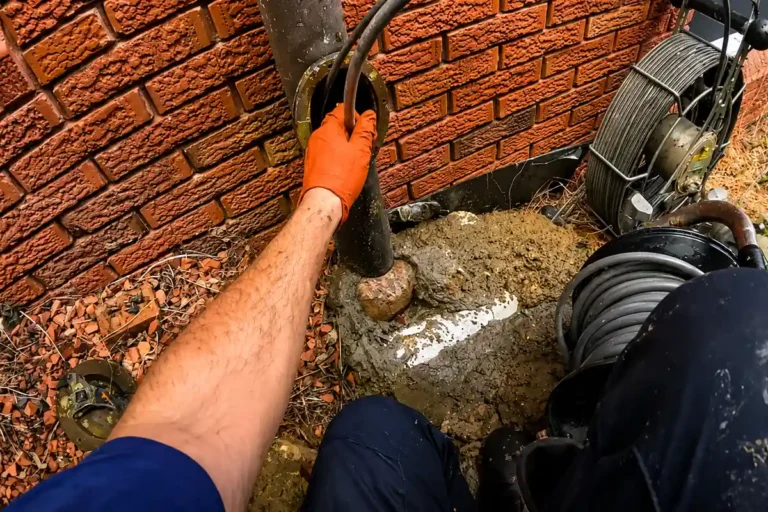
Both methods reduce continuous surface excavation, but neither means “no digging.” Pipe bursting normally needs pits large enough for the equipment and replacement pipe. Lining may need cleanout work or another access opening. Branch connections, transitions, and the point where the private lateral meets the public system also have to be addressed in the design.
How a contractor should decide between the methods
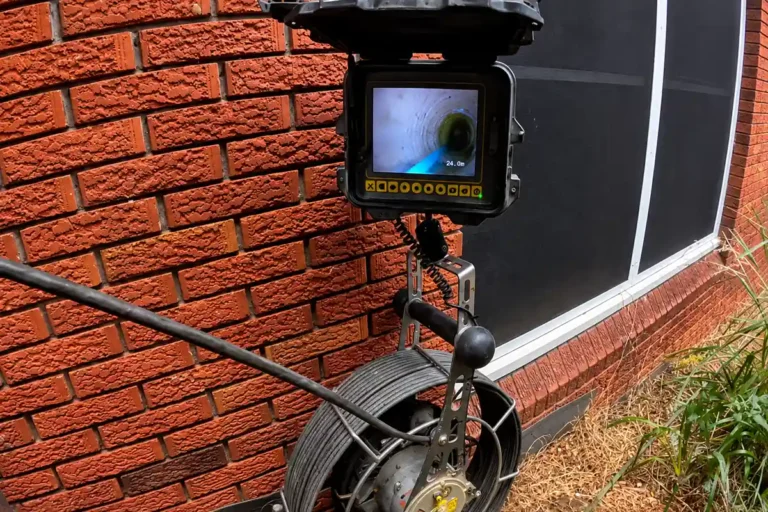
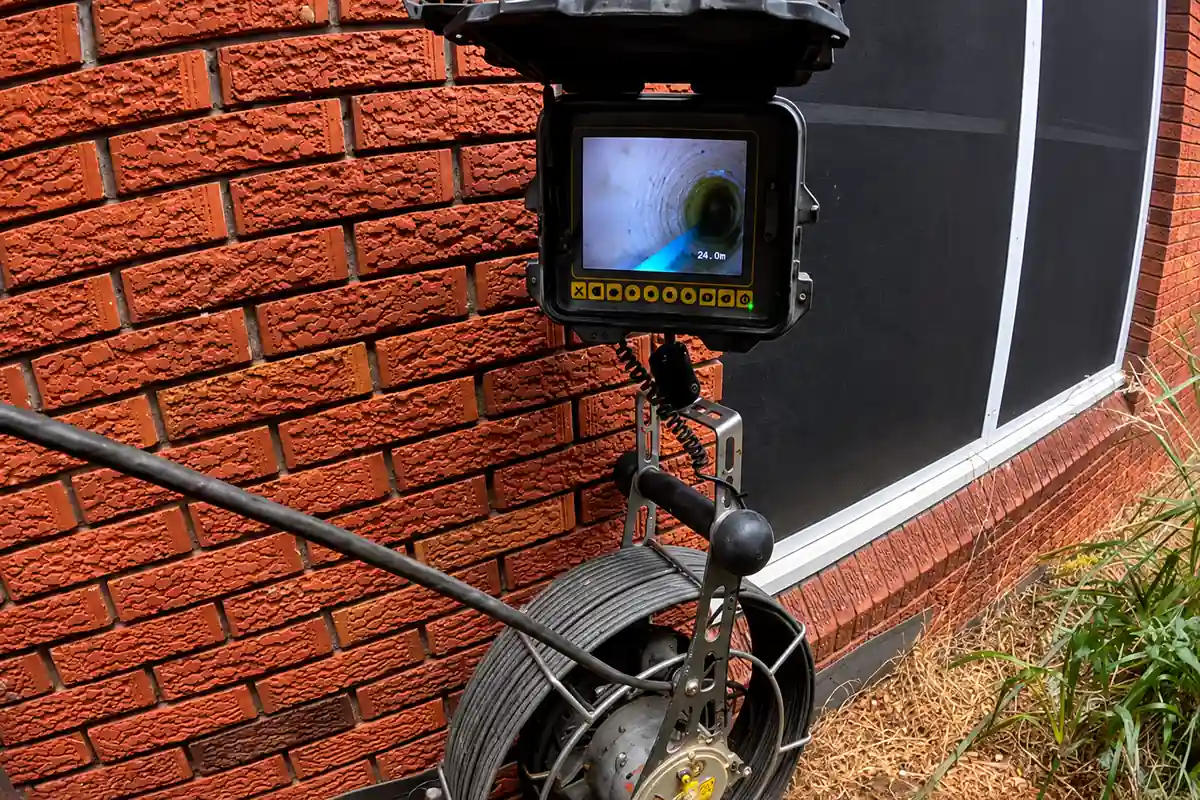
A useful recommendation should connect each proposed step to evidence. NASSCO identifies internal television inspection as a key tool for assessing structural, maintenance, and physical conditions. For a private lateral, that footage can reveal visible roots, deposits, cracks, offsets, intrusions, and areas where the camera cannot pass.
The camera does not answer everything. Standing water may suggest a low area, but slope and elevation may require additional evaluation. A camera may not clearly show the outside dimensions of a pipe, surrounding utilities, soil conditions, or whether there is enough room to lay out bursting equipment. The complete review may include:
Clear and inspect the line
Remove obstructions when necessary so the video shows the pipe wall rather than only roots, sludge, or standing debris.
Locate defects and the pipe route
Relate footage to physical locations and identify cleanouts, transitions, branches, and the connection toward the public main.
Review grade and structural condition
Determine whether the problem is a local break, widespread deterioration, a bad slope, a major displacement, or another condition.
Check access and utilities
Confirm where pits or trenches could go and whether structures, trees, fences, driveways, or utility conflicts affect the plan.
Compare complete scopes
Put pipe work, access, permits, inspections, surface removal, restoration, and exclusions into the written estimates.
If you still need the condition documented, a professional sewer camera inspection is the logical starting point. If the issue may be limited enough for a targeted repair, review the broader sewer line repair options before assuming the full lateral needs renewal.
When trenchless work may be the better fit
A driveway, patio, mature landscaping, or other hard-to-replace surface makes reduced excavation especially useful.
The line has been inspected and located, and the proposed method can pass through the existing alignment.
The pipe can be prepared for lining, or its condition and surrounding space permit a bursting head and replacement pipe.
There is adequate room for equipment, pits, liner preparation, pipe layout, and safe work.
A homeowner should still ask exactly where excavation will occur. A proposal described as trenchless can require pits at both ends, at connections, or where an obstruction prevents passage. Those openings may be modest compared with a continuous trench, but they should not be omitted from the scope or restoration plan.
When traditional digging may be the better fit
Open excavation can be more appropriate when the physical line needs to be rebuilt rather than followed. Examples include a section with an incorrect slope that must be reset, a severely displaced connection, an inaccessible collapse, or a routing problem that a liner or bursting head cannot correct. It may also make sense where the pipe lies below an easily restored area and direct access creates a simpler, more controllable installation.
Traditional excavation can also make individual fittings and connections easier to see and reconstruct. The important point is not that excavation is always stronger or trenchless is always gentler. It is that the repair method must match the defect and the property.
How to compare cost without being misled
A per-foot price is not a complete project comparison. Trenchless work can have specialized equipment and material costs, while traditional work can add demolition, hauling, backfill, compaction, concrete, pavers, irrigation, and landscaping restoration. The lower pipe-installation number may not be the lower finished-project number.
Ask for estimates that use the same boundaries. Each should identify the length and endpoints, method and pipe or liner specification, access work, reconnections, permits, inspections, cleanup, surface restoration, exclusions, and warranty terms. If one estimate restores the driveway and the other leaves restoration to the homeowner, they are not comparable totals.
Timing deserves the same caution. Trenchless methods often reduce excavation and restoration time, but access, cleaning, curing, inspections, utility coordination, and site conditions still affect the schedule. A responsible estimate describes the expected sequence and the conditions that could change it instead of promising a universal duration.
Ventura permits and right-of-way questions
In the City of Ventura, a private sewer lateral replacement is listed as permit work. The City’s instant-permit guidance states that the private-property portion can use that process, while work extending into the public right-of-way may also require an encroachment permit. Requirements can change and differ elsewhere in Ventura County, so the responsible agency and current process should be confirmed for the exact address before work starts.
Ventura also maintains a private sewer lateral inspection program. Certain property sales and commercial or common-interest properties can have inspection and reporting requirements. If the replacement is connected to a transaction or a prior deficiency notice, confirm what video, report, permit, and final inspection documentation must be submitted.
Questions to ask before approving the work
Ask to see the footage and understand whether the issue is local or extends through most of the lateral.
Clarify whether the proposal is for a new pipe pulled by bursting, a cured liner inside the old pipe, or open-cut pipe replacement.
Ask specifically about grade, low spots, offsets, diameter changes, fittings, and branch connections.
Mark every pit or trench and identify who restores concrete, pavers, irrigation, plants, fencing, and soil.
Confirm permits, locating, cleaning, bypass needs, inspection, testing, reconnections, disposal, and final video.
Request the written scope, product or pipe details, before-and-after video when applicable, approvals, and warranty terms.
Need help comparing the two approaches?
Review our trenchless sewer replacement service for the local process, or request an assessment that explains the evidence, access points, alternatives, and complete repair scope for your line.
Frequently asked questions
Is trenchless sewer replacement always better than traditional digging?
No. Trenchless methods can preserve surfaces, but they must match the defect, alignment, access, utilities, and pipe condition. Excavation can be the better solution when grade or routing needs to be corrected or the damaged area must be exposed directly.
Is CIPP lining the same as replacing the sewer pipe?
Not exactly. CIPP is a rehabilitation method that cures a structural liner inside the host pipe. Pipe bursting replaces the old pipe by breaking or splitting it while pulling a new pipe behind the bursting head.
Can trenchless work fix a belly in a sewer line?
A liner follows the existing pipe’s line and grade, so it does not regrade a low section. Pipe bursting also generally follows the existing route. A significant belly may require excavation and reconstruction, but the extent and repair plan need to be evaluated for the actual property.
Does a collapsed sewer line rule out trenchless replacement?
Not automatically. CIPP needs a path that can be prepared and lined, while pipe bursting can replace severely deteriorated pipe in suitable conditions. A collapse that blocks equipment, a major displacement, or an access constraint may require excavation. The decision needs more than a single label on the camera report.
Is trenchless sewer work less expensive?
It depends on the complete scope. Specialized installation may cost more than open-cut pipe work alone, but preserving a driveway, patio, or mature landscaping can reduce restoration costs. Compare estimates that include the same endpoints, permits, access, reconnections, and restoration.
Does trenchless sewer replacement require any digging?
Usually yes. Pipe bursting commonly needs launch and receiving pits. CIPP may use existing access but can still require a cleanout or other opening. Ask the contractor to mark every planned excavation point before approval.
How do I know whether my line is a trenchless candidate?
Start with a clear camera inspection and location of the line. The contractor should also assess cleaning and preparation needs, grade, pipe material and diameter, access, connections, nearby utilities, site conditions, and permit requirements.
Does trenchless work take less time?
It often reduces excavation and surface-restoration work, which can shorten the overall disruption. The actual schedule still depends on preparation, access, pipe length, inspection, curing where applicable, permits, and unexpected site conditions.
About this guide
Sespe Plumbing Pros has served Ventura County since 1992. This guide is designed to help homeowners compare sewer-renewal proposals by the condition of the pipe and the complete project scope, rather than choosing a method from the label alone.