Ventura County Sewer Guide
Why a Sewer Camera Inspection Matters Before You Approve Repairs
The same backup can come from roots, scale, a pipe belly, a separated joint, or a collapse. A camera helps define the actual problem before the repair scope and disruption are decided.
Do you need a sewer camera before approving a repair?
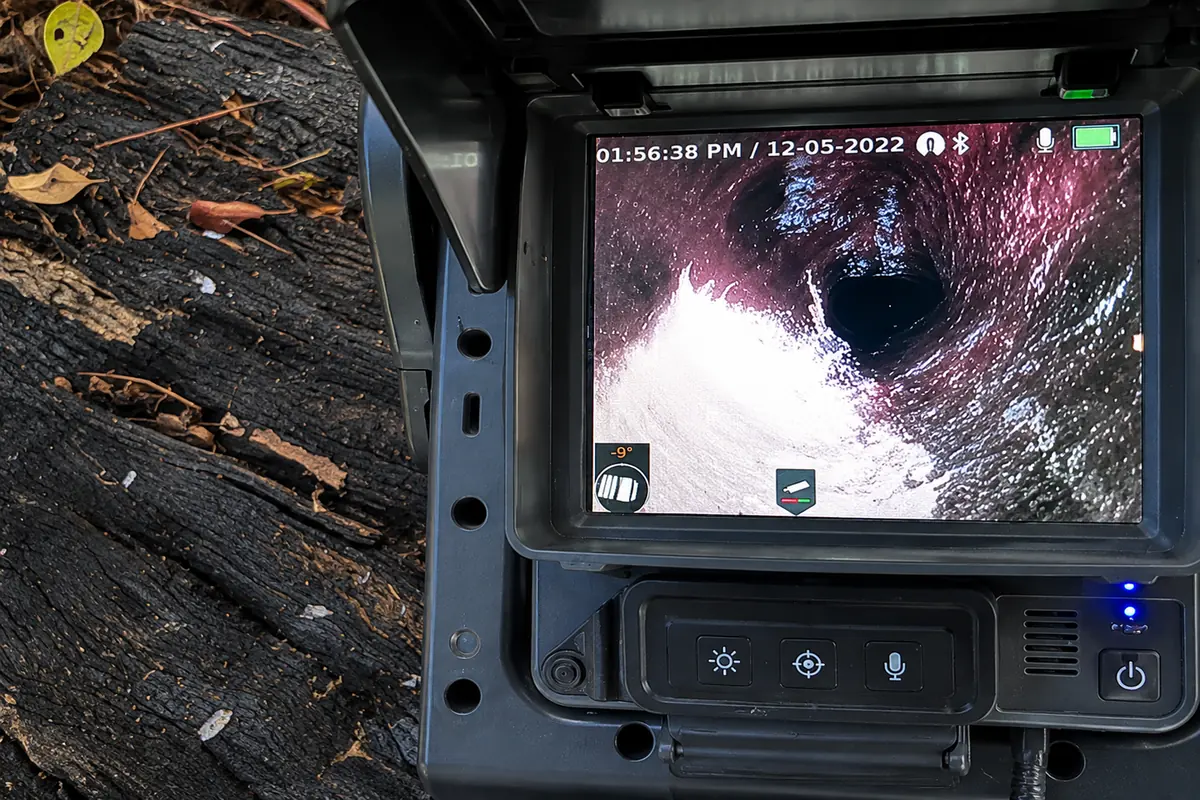
For a recurring sewer problem, an older or unknown line, or any repair involving excavation or trenchless work, a camera inspection is usually the sensible diagnostic step. It can show the pipe material, visible defects, obstruction type, approximate footage, and how much of the line is affected. It does not make every decision by itself, and a blocked or dirty line may need cleaning before the view is useful.
The most expensive sewer-repair mistake is not always poor workmanship. It can be a technically correct repair aimed at the wrong section of pipe. A camera inspection exists to reduce that risk by replacing assumptions with a direct view of the line.
A slow drain, recurring backup, or sewer odor tells you that something is wrong. It does not tell you whether the cause is roots at one joint, heavy scale throughout a cast-iron line, a low section holding water, a broken fitting, or a collapsed lateral. Two houses can show the same symptom and need very different solutions.
What a sewer camera can reveal
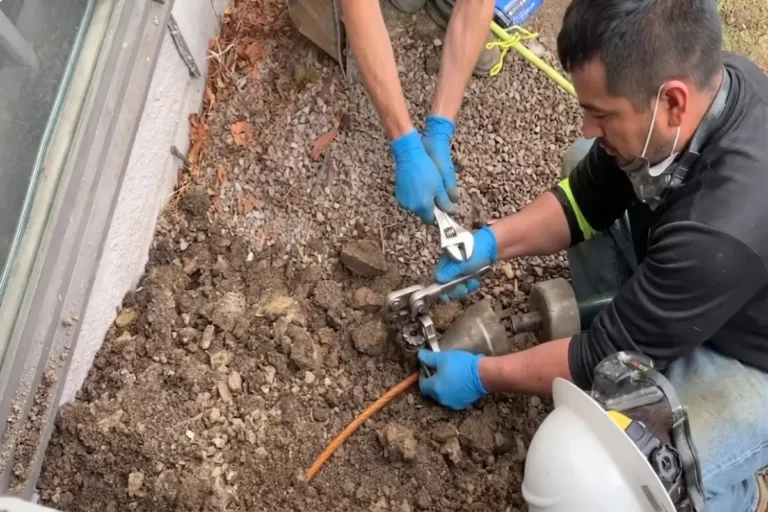
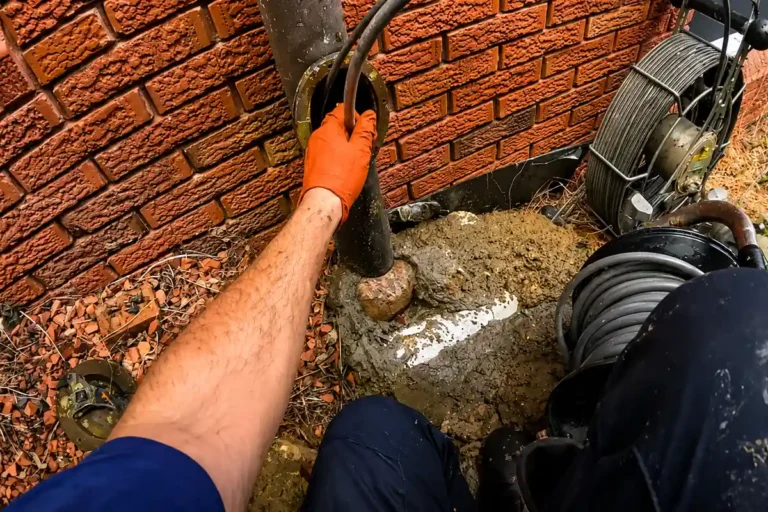
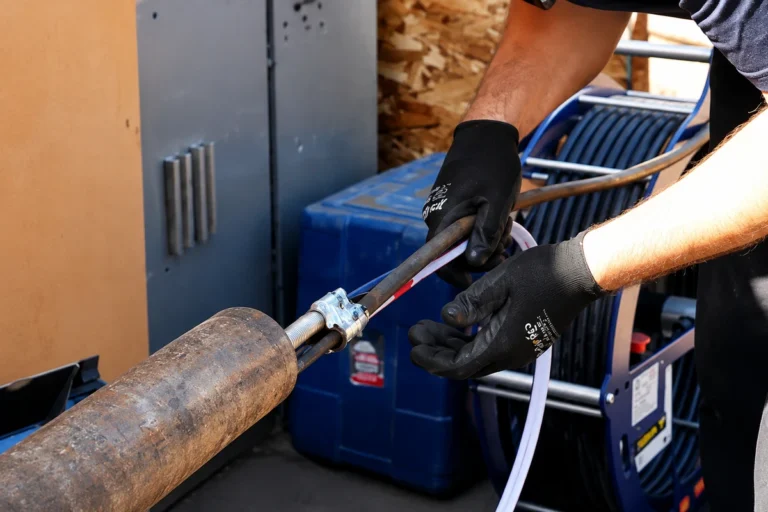
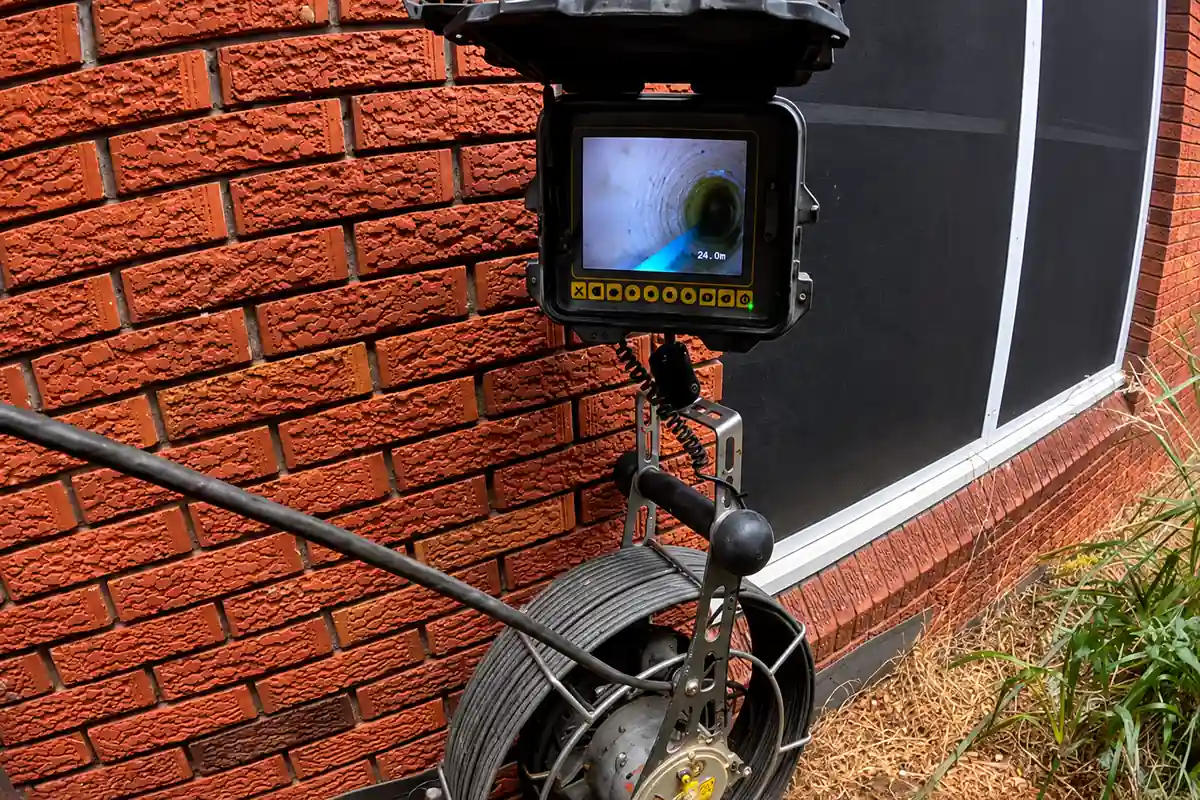
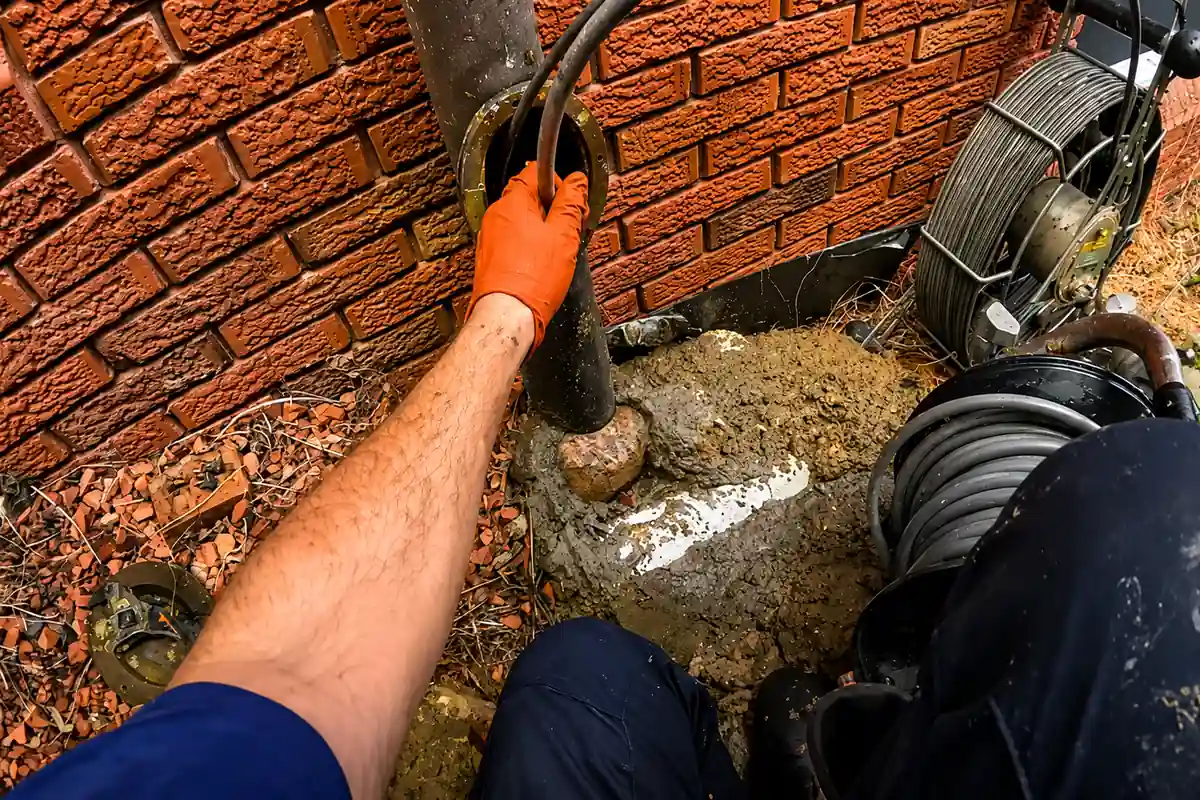
A flexible camera is introduced through an accessible cleanout or another suitable entry point. As it moves through the pipe, the operator watches the interior and records where visible conditions change. A useful inspection is not just a dramatic screenshot. It connects the observation with location, pipe material, severity, and repair relevance.
NASSCO, the National Association of Sewer Service Companies, describes condition assessment as the first step in deciding how compromised pipe should be maintained or rehabilitated. Its assessment programs use consistent terminology so observations can be recorded by type and severity. A residential inspection does not need to become an engineering report, but the same principle matters: identify the condition before choosing the work.
What a camera cannot prove on its own
A camera is powerful, but it is not an X-ray and it cannot see through the pipe wall. It shows the interior surface that the lens can reach and see. That creates several practical limits homeowners should understand before treating the video as a complete diagnosis.
It can document visible conditions
The camera may show roots, cracks, joint separation, corrosion, standing water, deformation, debris, and the point where movement stops.
It may not show the full cause
It cannot directly show soil conditions outside the pipe, prove that a hidden joint is watertight, or see beyond a blockage the camera cannot pass.
Heavy grease, dirty water, loose debris, or a complete blockage can cover the pipe surface. In those cases, the line may need to be cleared and then reinspected. The goal is not simply to get a camera into the opening. It is to obtain a view clear enough to support a repair decision.
What a useful inspection looks like
Confirm the symptom and access point
The technician identifies which fixtures are affected, how often the problem returns, and whether a suitable cleanout is accessible.
Clear the view when necessary
If a blockage or heavy debris prevents passage, cleaning may be needed before the pipe wall can be evaluated.
Run and record the camera
The line is viewed methodically, with attention to pipe material, joints, changes in shape, deposits, roots, damage, and standing water.
Locate important findings
Depending on the equipment and access, the camera head or sonde can be located from the surface to help mark the route or defect area.
Match the repair to the evidence
The recommendation should explain what was seen, where it was seen, whether the full line was inspected, and why the proposed scope fits.
How camera findings change the repair decision
The camera does not automatically mean replacement. It can support a smaller repair, a cleaning plan, monitoring, or a larger project. The value is in narrowing the decision to what the evidence supports.
| Possible finding | What it may explain | Likely next question |
|---|---|---|
| Localized roots at a joint | A recurring blockage at one point in an otherwise passable line. | Can the roots be cleared and the joint repaired, or is the opening likely to return? |
| Scale throughout cast iron | Reduced internal diameter, slow flow, and repeat buildup. | Is mechanical cleaning suitable, and how much sound pipe remains? |
| Standing water in a low section | Waste collecting in a belly or poorly graded area. | How long is the low section, and does restoring slope require excavation? |
| One crack or separated joint | Soil entry, roots, or leakage around a defined location. | Is a targeted repair practical compared with lining or replacement? |
| Deformation or collapse | Restricted flow or a camera that cannot pass. | What access and replacement method can safely restore the line? |
| Clean, intact lateral | The reported symptom may be intermittent or located elsewhere. | Should branches, venting, fixtures, or another part of the drainage system be checked? |
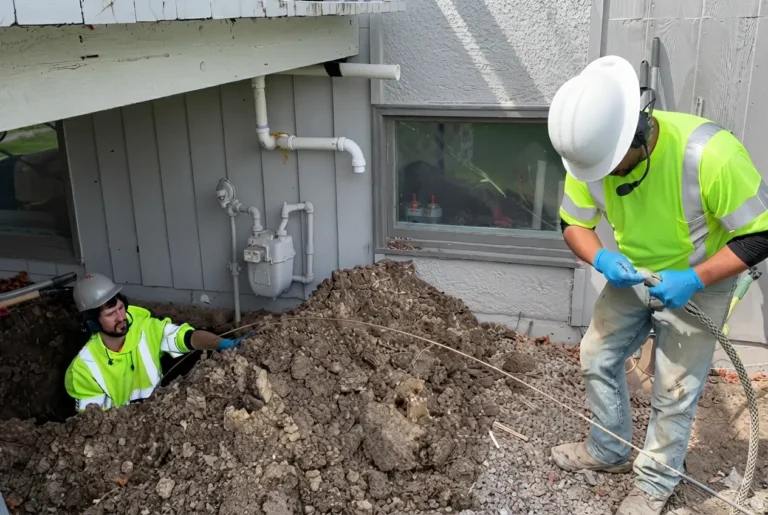
If replacement is supported, the video helps determine whether the line may be suitable for trenchless sewer replacement or whether access, alignment, or collapse makes excavation more appropriate. If the issue is repairable at one point, the inspection can help keep the scope focused. Our sewer line repair guide explains those broader options.
When a camera inspection is worth prioritizing
The same line blocks again after cleaning, suggesting an underlying condition remains.
The material, route, and prior repair history are uncertain.
A spot repair, trenchless project, or excavation should be tied to visible evidence and location.
An unknown or badly deteriorated line may need condition review before high-pressure or mechanical work.
A buyer, seller, or owner needs documentation of the private lateral condition.
Multiple fixtures, odors, gurgling, or slow drainage point beyond one simple fixture clog.
A camera is not necessary for every one-time sink or toilet clog. When the problem is isolated and clears normally, standard drain cleaning may be the appropriate first step. The case becomes stronger when the problem returns, affects several fixtures, or could lead to an expensive repair decision.
A Ventura-specific reason documentation matters
The City of Ventura has a Private Sewer Lateral Inspection Program. Its current guidance requires inspection reporting and video in qualifying change-of-ownership situations, and it sets recurring requirements for commercial and common-interest properties. Those rules are separate from a routine diagnostic service call, but they show why a complete recording and clear documentation can matter locally.
What to ask for before approving sewer work
You do not need to interpret every mark on the screen. You should be able to understand the evidence behind the recommendation. Before approving a significant repair, ask these questions:
Was the full relevant section inspected?
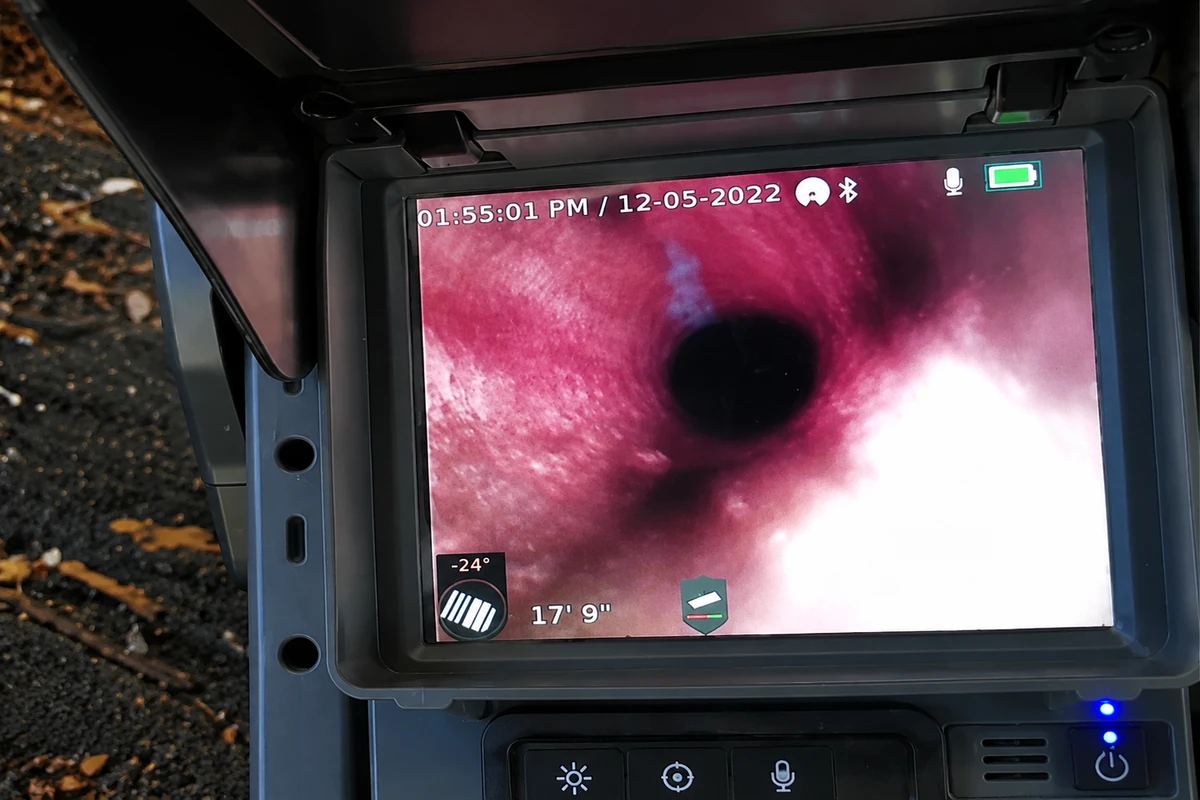
Ask where the camera started, how far it traveled, and what prevented a complete view if it stopped early.
What exactly is visible?
Request plain-language identification of the material, defect, obstruction, or low area rather than a vague statement that the pipe is bad.
Where is the finding?
Footage, route information, and surface locating can help connect the video to the proposed access or repair point.
Can I review the recording?
A saved video or clear still images make it easier to understand the recommendation and compare repair options.
Why does this finding support this repair?
The explanation should connect the observed condition to the proposed scope, including why a smaller option is or is not suitable.
Start with a view of the actual line
Our Sewer Camera Inspection page explains the local service and what to expect. For a recurring backup or an uncertain repair recommendation, inspect first and choose the scope from the evidence.
Frequently asked questions
Do I really need a camera inspection, or can a plumber diagnose the problem from symptoms?
Symptoms can narrow the possibilities, but they cannot confirm the exact cause, location, or extent of a sewer problem. A camera provides a direct view when the repair decision depends on those details.
Is a camera inspection needed for every drain issue?
No. A simple, one-time fixture clog may not justify it. It becomes more useful for recurring problems, multiple affected fixtures, older or unknown pipe, and before a larger sewer repair.
Can a camera identify the sewer pipe material?
Often, yes, when the view is clear. The operator may be able to distinguish materials such as clay, cast iron, Orangeburg, or PVC and document transitions between them. Heavy deposits or poor visibility can limit certainty.
Can a sewer camera locate the exact damaged spot?
The recording can provide footage, and compatible locating equipment can often identify the camera head or sonde from the surface. Accuracy depends on equipment, depth, access, site conditions, and whether the camera can reach the defect.
What if the camera cannot get past the blockage?
The line may need to be cleared before a complete inspection is possible. The initial stopping point is still useful information, but it should not be presented as a full view of the pipe beyond that point.
Does a camera inspection add cost before sewer repair?
Yes, it is a diagnostic step with its own cost. The amount depends on access and scope. Its value is reducing uncertainty before a homeowner commits to a repair that may involve substantial expense or disruption.
How does an inspection affect the choice between trenchless work and digging?
It shows the condition, alignment, obstruction, and location information used to judge whether a trenchless method is practical or whether excavation is more appropriate. Site access and other conditions also affect the final choice.
Should I receive a copy of the sewer-camera video?
For a significant repair decision, asking for the recording or clear images is reasonable. For a City of Ventura private-lateral requirement, follow the city’s current documentation and submission rules.
About this guide
Sespe Plumbing Pros has served Ventura County since 1992. This guide combines practical sewer diagnosis with current local inspection requirements so homeowners can understand the evidence before choosing a repair.