
Camera-First Sewer Replacement Since 1992
Trenchless Sewer Replacement in Ventura That Protects Your Yard
When a sewer lateral has failed along its length, the question stops being how to clear it and becomes how to replace it with the least damage to everything above it. Trenchless methods do that through small access pits instead of a trench down the length of the yard. Sespe Plumbing Pros has worked on Ventura sewer lines since 1992. Free estimates. 24-hour availability. Call 805-285-4021.
Quick Answer
Replace the Line Without Trenching Its Full Length
Trenchless sewer replacement rebuilds a failed sewer lateral without excavating its full length. Pipe bursting pulls new pipe through the path of the old one while fracturing the old pipe outward. Cured-in-place pipe lining forms a new jointless pipe inside the existing one. Both work through small access pits. A camera inspection determines which method fits, or whether the line is a case for open excavation instead. Call 805-285-4021.
When This Page Applies to You
Full-Line Failure, Not a Routine Blockage
Trenchless replacement is the answer to a specific situation, and it is worth being clear about which situation, because it is not the first step for most sewer problems.
If your line is blocked rather than broken, cleaning is the answer, and our drain cleaning and hydro-jetting pages cover that. If you have symptoms and no diagnosis yet, start with a sewer camera inspection. If a defined section has failed and the rest of the line is sound, a targeted fix is usually better value, which is our sewer line repair page.
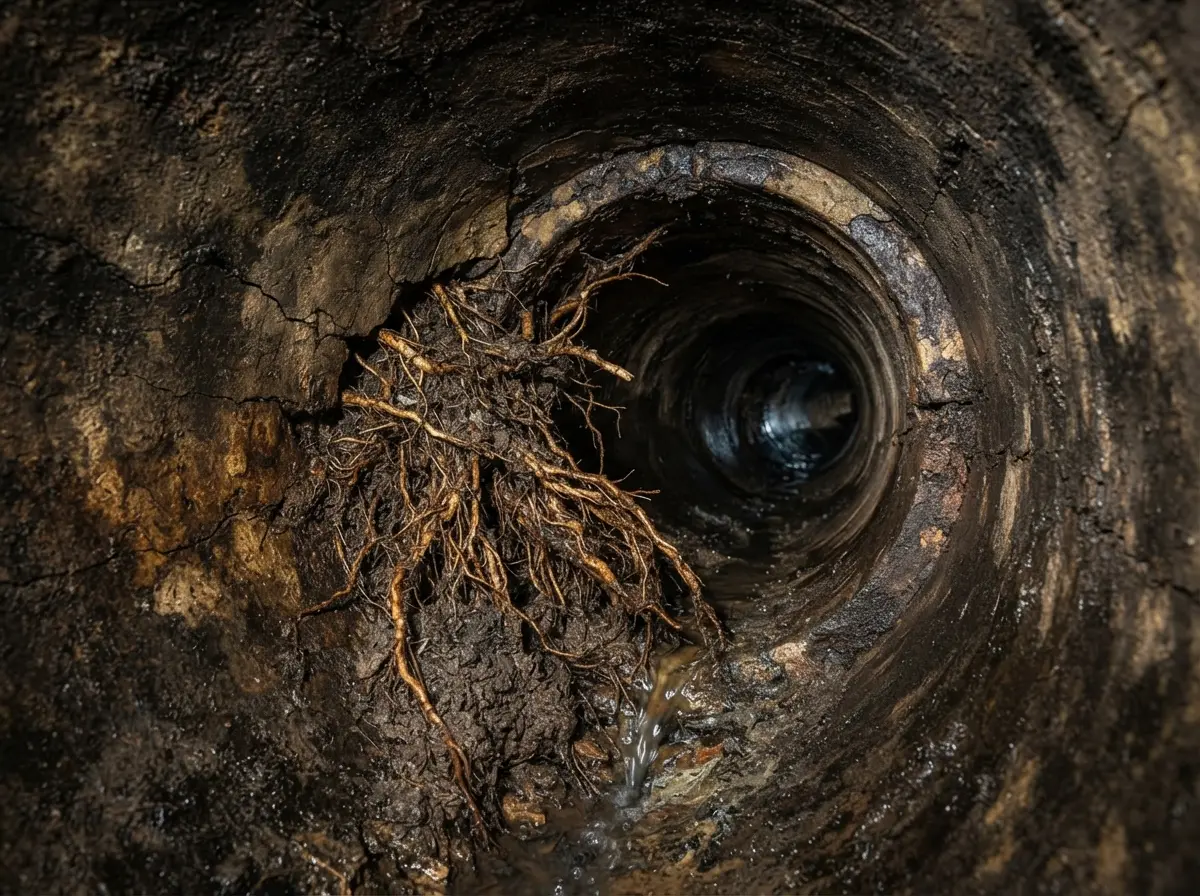
This page is for the case where the camera has shown that the pipe has failed along most or all of its run, and replacement is the honest recommendation. Typically that means widespread cracking, a material that has reached the end of its life, roots entering at multiple joints, or repeated backups that cleaning no longer resolves for long.
Two Trenchless Methods
Pipe Bursting Compared to CIPP Lining
Pipe Bursting
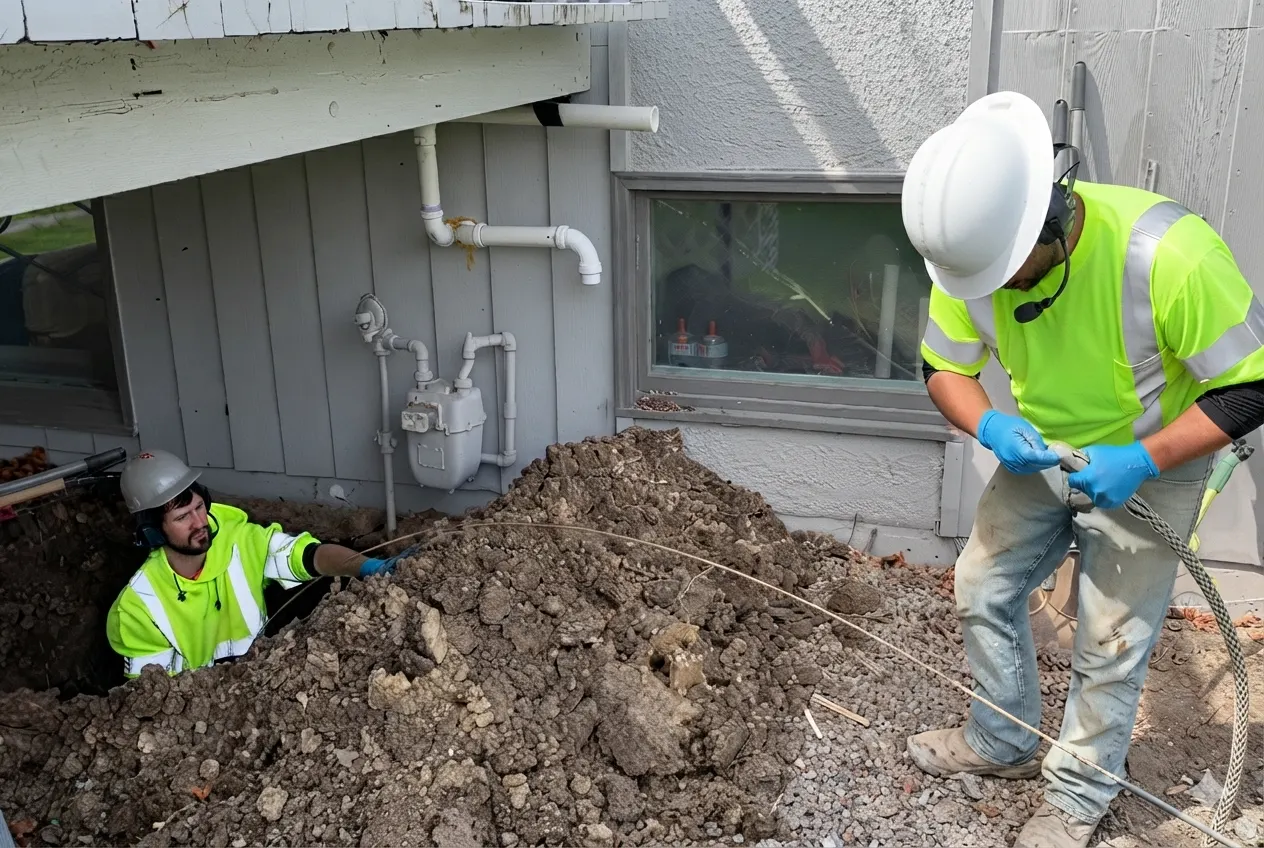
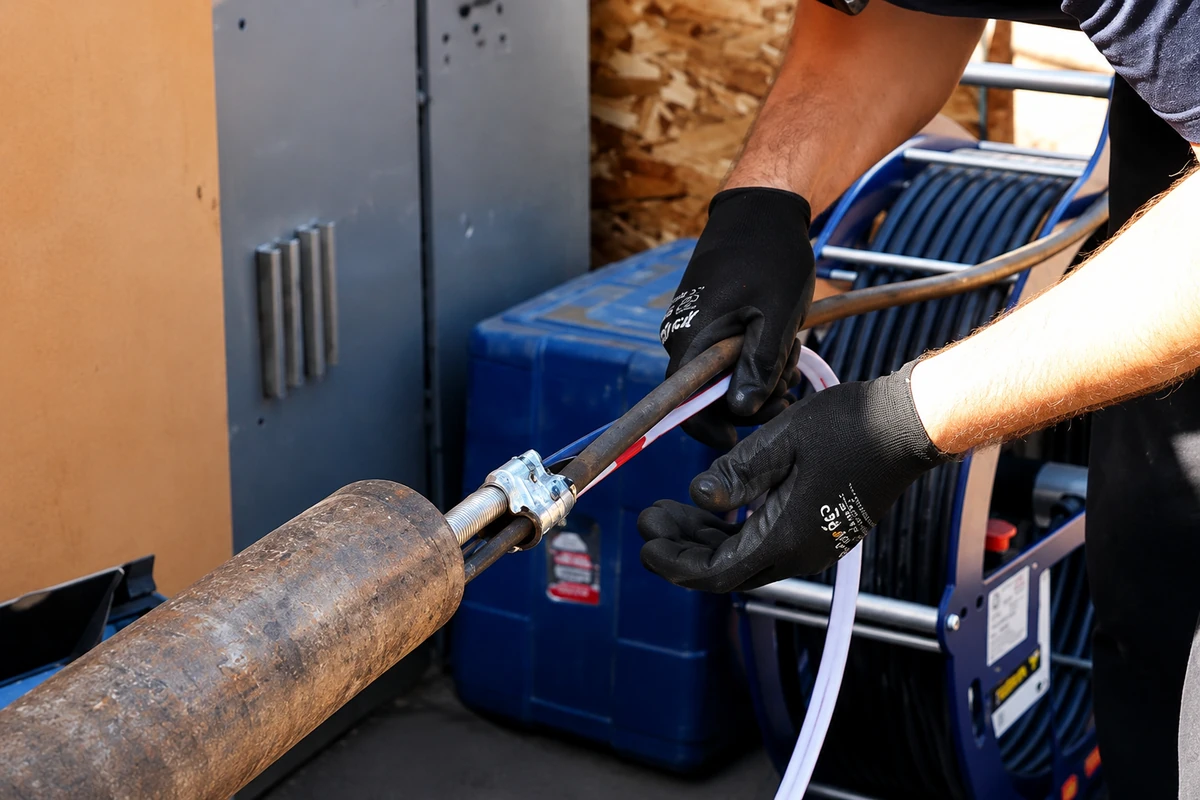
A bursting head is pulled through the old line on a cable, fracturing the old pipe outward into the surrounding soil while drawing new HDPE pipe in behind it. The result is a genuinely new pipe on the same path, with no joints along its length for roots to find.
Bursting suits badly deteriorated lines where the old pipe has effectively failed as a structure, including collapsed-in-places clay and softened Orangeburg. It can also upsize the line, since it displaces soil rather than working within the old wall. It needs pits at both ends and a reasonably straight path, and it needs soil that will accept the displacement, so it is less suitable close to other buried utilities.
Cured-in-Place Pipe Lining
A resin-saturated liner is inserted into the cleaned host pipe and cured in place, forming a smooth, jointless pipe bonded to the inside of the old one. The old pipe stays where it is and becomes a shell around the new one.
Lining suits pipe that still holds its shape but has cracks, deteriorating joints, or root intrusion. It handles bends better than bursting does. It requires the host pipe to be thoroughly cleaned first, usually by jetting and often by descaling on cast iron, so the liner bonds properly. It cannot bridge a collapse or correct a belly.
How the Choice Actually Gets Made
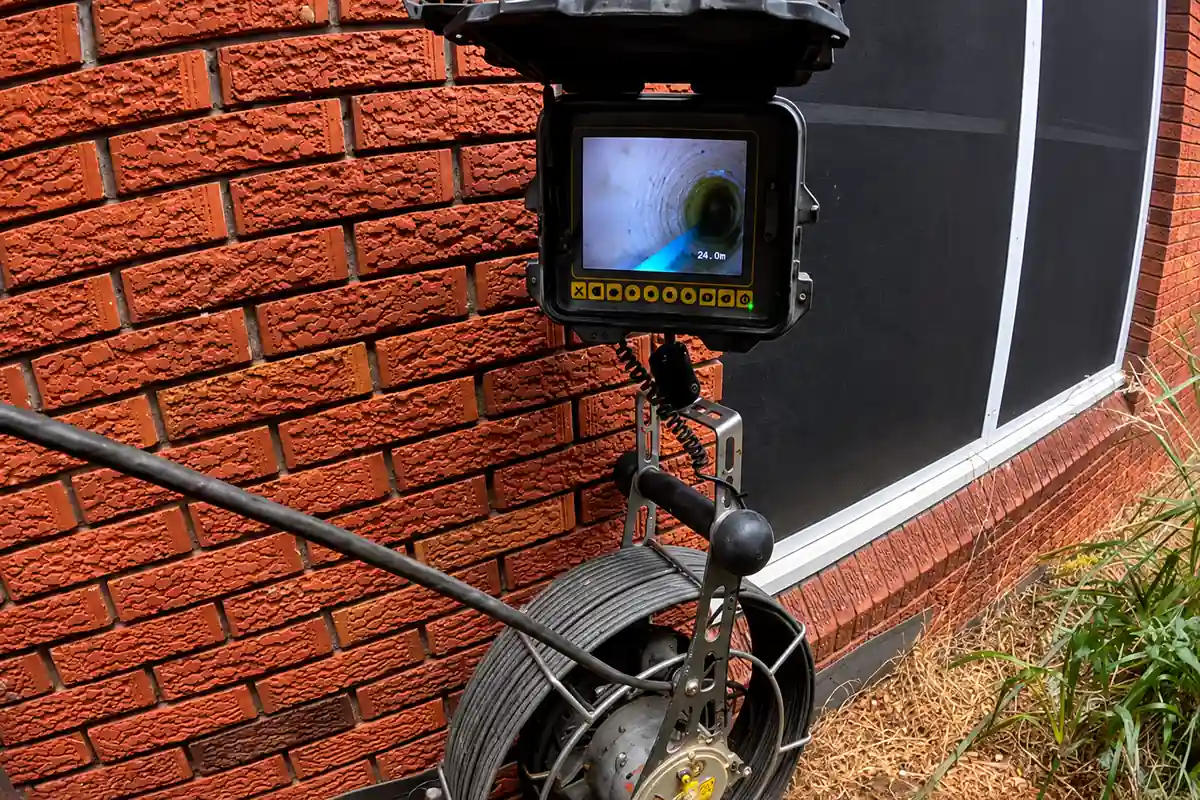
By what the camera shows, not by which method a contractor prefers. The deciding factors are pipe material and how far gone it is, whether the line holds its shape, the presence of bellies or collapses, bends and direction changes along the run, depth, available access at both ends, and what sits above the line. If someone quotes a method before running a camera, that is worth questioning.
Know When Digging Is Necessary
When Open Excavation Is Genuinely the Better Answer
We would rather tell you this before you have paid for a trenchless estimate.
There is no path for a bursting head to follow and nothing for a liner to bond to.
Neither method corrects grade. A sagging section that holds waste will still sag afterward, and the backups will continue. Fixing grade means excavating and re-bedding the pipe.
Sharp bends or multiple direction changes that equipment cannot negotiate.
If the line is shallow, accessible, and crosses nothing but lawn, digging it is often faster and cheaper. Trenchless earns its cost by protecting what is above the pipe. Where there is nothing to protect, the math changes.
Replacing the whole lateral to fix ten feet of it is not good value.
Trenchless is a tool, not a philosophy. We will tell you when it does not fit.
Protect What Is Above the Pipe
Where Trenchless Earns Its Cost
- Lines running under a driveway, walkway, patio, or slab addition
- Lines under mature trees or established landscaping you would rather keep
- Long laterals where a trench would cross most of the property
- Rental and multi-unit properties where extended disruption has its own cost
- Root-damaged clay with intrusion at multiple joints
- Orangeburg pipe that has deformed with age
- Cast iron that has corroded internally but still holds its shape
- Lines where the restoration cost of open excavation would exceed the premium for trenchless
Material Drives the Method
Ventura Pipe Materials and What Each One Means
Common in older laterals across the area. Durable material, but it comes in short sections with joints every few feet, and those joints separate as ground moves. Roots find them. Clay is often a good bursting candidate.
Corrodes from the inside, building a rough scaled wall that catches debris and narrows the usable diameter long before the pipe fails structurally. Often linable when the wall is still sound, after descaling.
A bituminized fiber pipe used in some construction from roughly the 1940s through the 1960s. It deforms into an oval and eventually collapses. If a camera shows Orangeburg, replacement is generally a matter of when rather than whether, and bursting is usually the method.
Modern materials that generally fail from external causes, like crushing, ground movement, or a poor original installation, rather than from material degradation.
From Camera to Final Pass
What the Work Involves
Call 805-285-4021 and tell us what has happened so far, including any previous cleaning or camera work.
Camera inspection to establish material, condition, depth, grade, bends, and where the lateral meets the main.
Locating and utility marking before any excavation.
Written estimate covering method, access points, restoration, and permitting, so there are no additions later.
You approve.
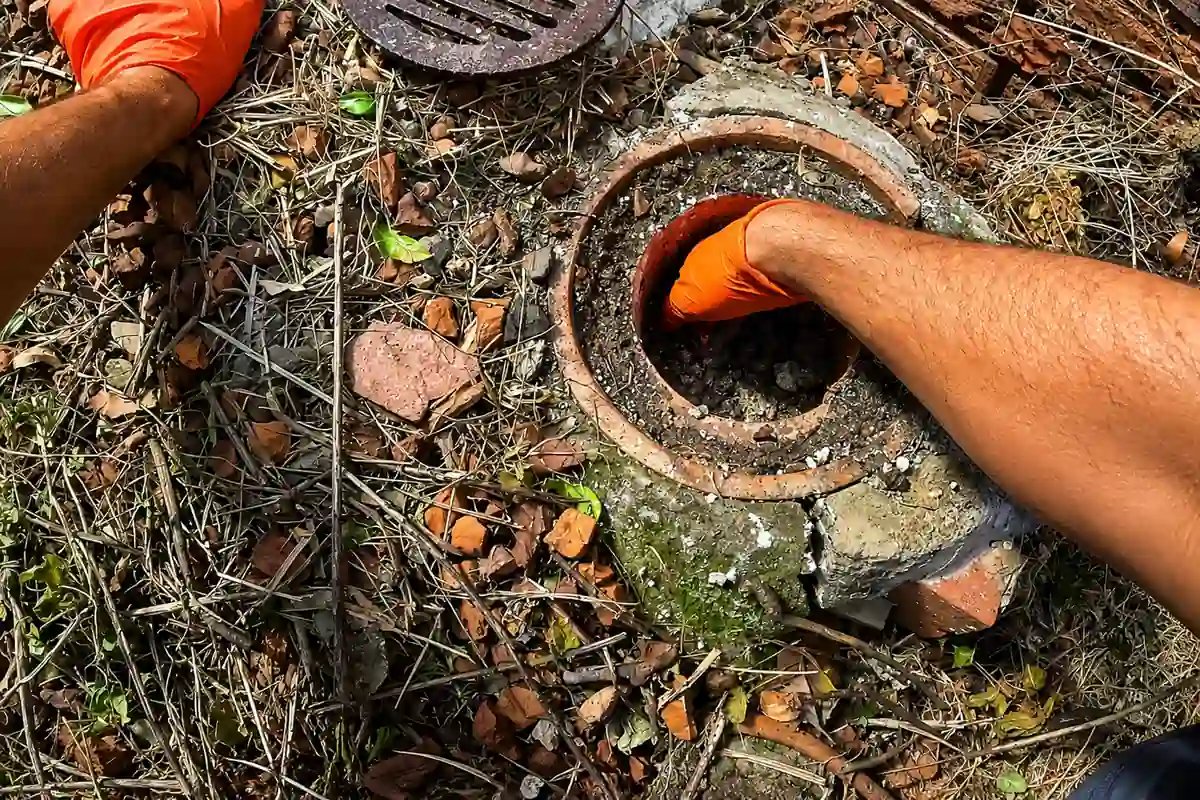
Access pits opened at the entry and exit points.
Line preparation. Jetting, and descaling where cast iron requires it, so a liner can bond or a bursting head can pass.
Replacement performed, by bursting or lining as agreed.
Post-work camera pass so you see the finished line rather than taking our word for it.
Access areas restored and the work explained.
Sewer work is permitted work. Ventura County plumbing permits cover waste and drain piping, and requirements differ between the city and unincorporated county. We confirm what applies at your address and handle it as part of the job.
Local Sewer Experience
Why Ventura Homeowners Call Sespe Plumbing Pros
Sespe Plumbing Pros started in Fillmore and has been serving California since 1992. That is decades of hands-on plumbing work in the communities we know.
- Camera before method, always, and a camera pass afterward
- Free estimates, with a written estimate before work starts
- Credit cards accepted
- 24-hour availability
Price the Actual Site
What Affects Cost
Line length, depth, and diameter, pipe material and condition, which method the line calls for, how much preparation the host pipe needs before lining, access at both ends and whether pits fall under hardscape, bends and grade along the run, what has to be restored afterward, permitting and inspection, and whether any spot excavation is needed alongside the trenchless work. Estimates are free and given in writing before work begins.
One honest note on the comparison people expect. Trenchless is not automatically cheaper than open excavation. The equipment and materials cost more. It usually wins on total cost when the line runs under something expensive to restore, and it often loses on a short shallow run across open ground. We will price it against your actual site rather than assuming.
Ventura Soil, Roots, and Aging Lines
Local Conditions That Drive Sewer Replacement Here
Age and material do most of it. Older Ventura housing commonly sits on clay or cast iron laterals installed generations ago, and both materials fail in predictable ways given enough time.
Roots are the accelerant. Mature street trees and established landscaping put root systems near lateral runs, and a joint that has opened even slightly is an invitation. This is why the pattern we hear most often is not a sudden failure but a line that has been cleared several times over several years, at shortening intervals.
Ground movement contributes to joint separation and to bellies forming in older lines over time, which is also why grade should be checked on camera before anyone commits to a lining method that cannot correct it.
Straight Answers Before You Approve
Frequently Asked Questions
How do I know if my sewer line needs replacing rather than cleaning?
A camera inspection is what answers that. Cleaning is the answer when the pipe is sound and blocked. Replacement enters the conversation when the camera shows widespread cracking, a collapsed or deformed section, roots entering at multiple points, or a material like Orangeburg that has reached the end of its life. Repeated backups at shortening intervals is the pattern that usually leads here.
What is the difference between pipe bursting and pipe lining?
Bursting replaces the old pipe entirely, fracturing it outward while pulling new HDPE through on the same path. Lining forms a new jointless pipe inside the existing one, leaving the old pipe as a shell. Bursting suits pipe that has failed as a structure. Lining suits pipe that still holds its shape but has cracks, open joints, or root intrusion.
Does pipe lining reduce the diameter of my sewer line?
It slightly reduces the inside diameter, yes, and that is a fair thing to ask about. In practice, flow capacity usually improves rather than declines, because the liner is smooth and jointless while the old pipe it is replacing was rough, scaled, or root-obstructed. A smaller smooth pipe frequently moves more than a larger rough one. If your line is already undersized for the property, that is a case for bursting, which can upsize.
Can trenchless methods repair a collapsed pipe?
Generally no. A liner needs a host pipe to bond to and a bursting head needs a path to follow, and a full collapse denies both. A collapsed section usually needs excavation, sometimes as a spot dig combined with trenchless work on the rest of the run.
Will trenchless work damage my driveway or landscaping?
Far less than a full trench, but not zero. Access pits have to go somewhere, and if the only viable entry or exit point falls under hardscape, that section gets opened. We identify pit locations during the estimate so you know exactly what will be disturbed before you approve anything.
Is trenchless replacement cheaper than digging?
Not inherently. The equipment and materials cost more, and the savings come from restoration you avoid. It usually wins where the line runs under a driveway, patio, or mature landscaping, and it often loses on a short shallow run across open lawn. We price both where both are viable.
How long does a trenchless sewer replacement last?
Both methods produce a jointless pipe, which removes the failure mode that ends most older laterals, since roots enter at joints. We are not going to attach a number of years to your specific line, because that depends on soil, depth, use, and what is around it. What we will say is that a jointless line does not have the vulnerability that the pipe it replaced did.
Does homeowners insurance cover sewer line replacement?
It depends on the policy and the cause, and many standard policies treat gradual deterioration differently from sudden damage. Some carriers offer a separate service line endorsement. Contact your carrier directly rather than assuming either way, and we will provide written documentation of findings and work for a claim.
Who is responsible for the sewer lateral, me or the city?
Responsibility for the lateral running from the house toward the main is generally the property owner’s, but exactly where that responsibility ends varies by jurisdiction and is worth confirming with your city or county before work begins. We will tell you what we find on camera and where it sits relative to the connection, and you can confirm the boundary with the agency that serves your address.
How long does the work take?
It depends on access, line length, how much preparation the host pipe needs, permitting, and restoration. Trenchless work is typically less disruptive than open excavation on a comparable line, which is different from saying it is always faster. We give you a realistic timeframe with the estimate.
Ventura County Sewer Laterals
Where We Work
Sespe Plumbing Pros replaces sewer laterals throughout Ventura and Ventura County, including Fillmore, Santa Paula, Oxnard, Camarillo, Moorpark, and Ojai.
Related pages: sewer camera inspection to establish what the line actually is, sewer line repair when only a section has failed, hydro-jetting for the cleaning that precedes lining, and emergency plumber for an active backup.
Camera First, Method Second
See What Is Actually Down There
Before anyone quotes you a replacement method, the line should be on camera. Call 805-285-4021 for a free estimate and a look at what is actually down there.