Local Homeowner Guide
What Plumbing Problems Show Up Most in Ventura County Homes?
Hard water, aging pipe, recurring drains, hidden leaks, sewer-lateral damage, and water-heater wear often overlap. Learn what the symptoms mean, what to check first, and when a local diagnosis is worthwhile.
What plumbing issues are common in Ventura County homes?
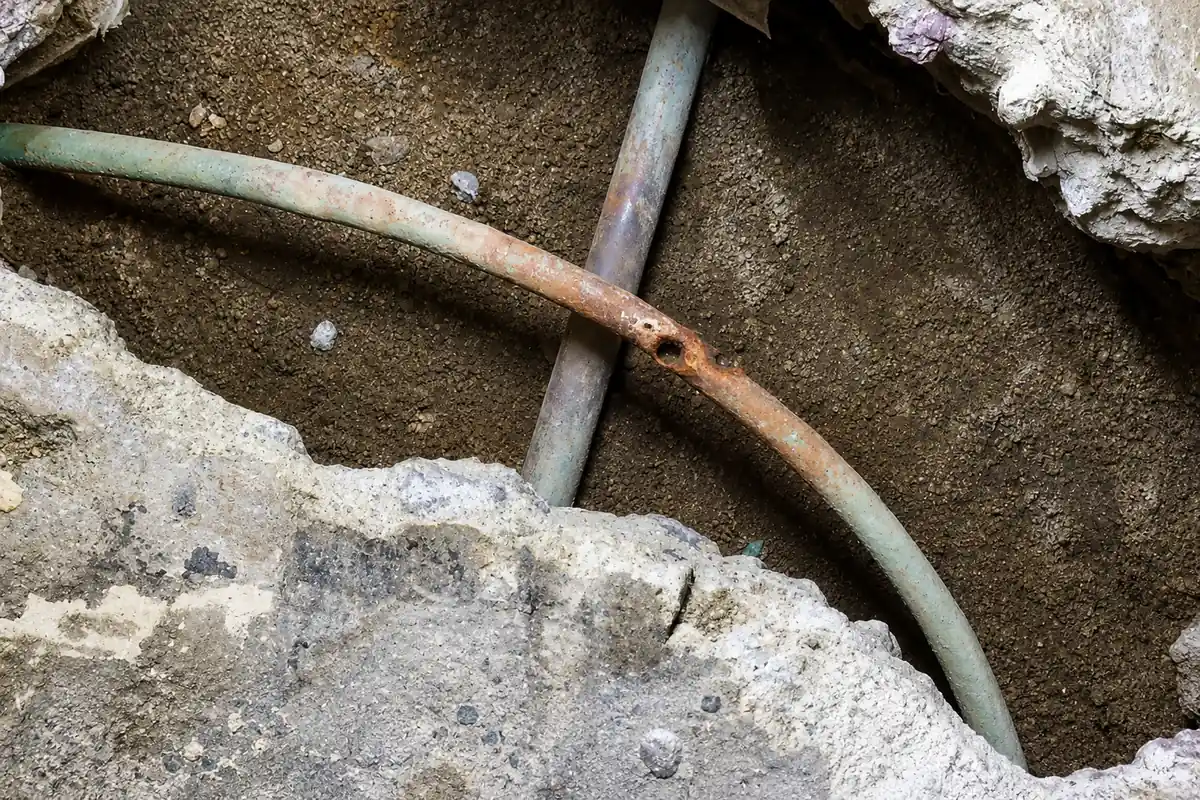
Local homeowners frequently deal with mineral scale and water-heater sediment from hard water, recurring clogs in older drain and sewer materials, leaks in aging supply pipe, sewer-lateral root intrusion or damage, worn fixture valves, pressure problems, and gas-appliance safety concerns. The age and material of the home’s plumbing, water source, maintenance history, and site conditions affect which problem is most likely.
Plumbing problems are not completely random, but a symptom is not a diagnosis. A slow drain might be a local trap obstruction, buildup deeper in a branch, or a damaged sewer lateral. A higher water bill might come from a toilet, irrigation, outdoor faucet, water-treatment cycle, or hidden supply leak. The useful question is not only “What commonly fails here?” but “Which evidence separates those possibilities?”
Figures are from the City of Ventura’s 2026 Consumer Confidence Report and represent 2025 testing. Water conditions vary by supply and service area.
1. Hard Water, Scale, and Water-Heater Sediment
Hardness measures dissolved calcium and magnesium. The latest Ventura report shows substantial variation by source: Casitas water at 263 parts per million, Ventura River water at 437 ppm, and groundwater averaging 637 ppm with reported results ranging from 489 to 911 ppm. These figures do not tell an individual homeowner exactly what arrives at the tap, but they explain why scale and sediment are familiar local maintenance issues.
White crust at aerators and showerheads, reduced flow through fixtures, spotting, and sediment noise in a tank water heater can accompany hard water. Scale can restrict small passages in valves and heat exchangers. Sediment can reduce usable tank capacity or contribute to popping sounds. Hardness alone does not prove a pipe leak or require a whole-home treatment system.
Start by cleaning aerators, checking fixture-specific flow, and following manufacturer maintenance guidance. For the water-heater impact, see our guide to hard water and water-heater wear.
2. Recurring Drain and Sewer Clogs
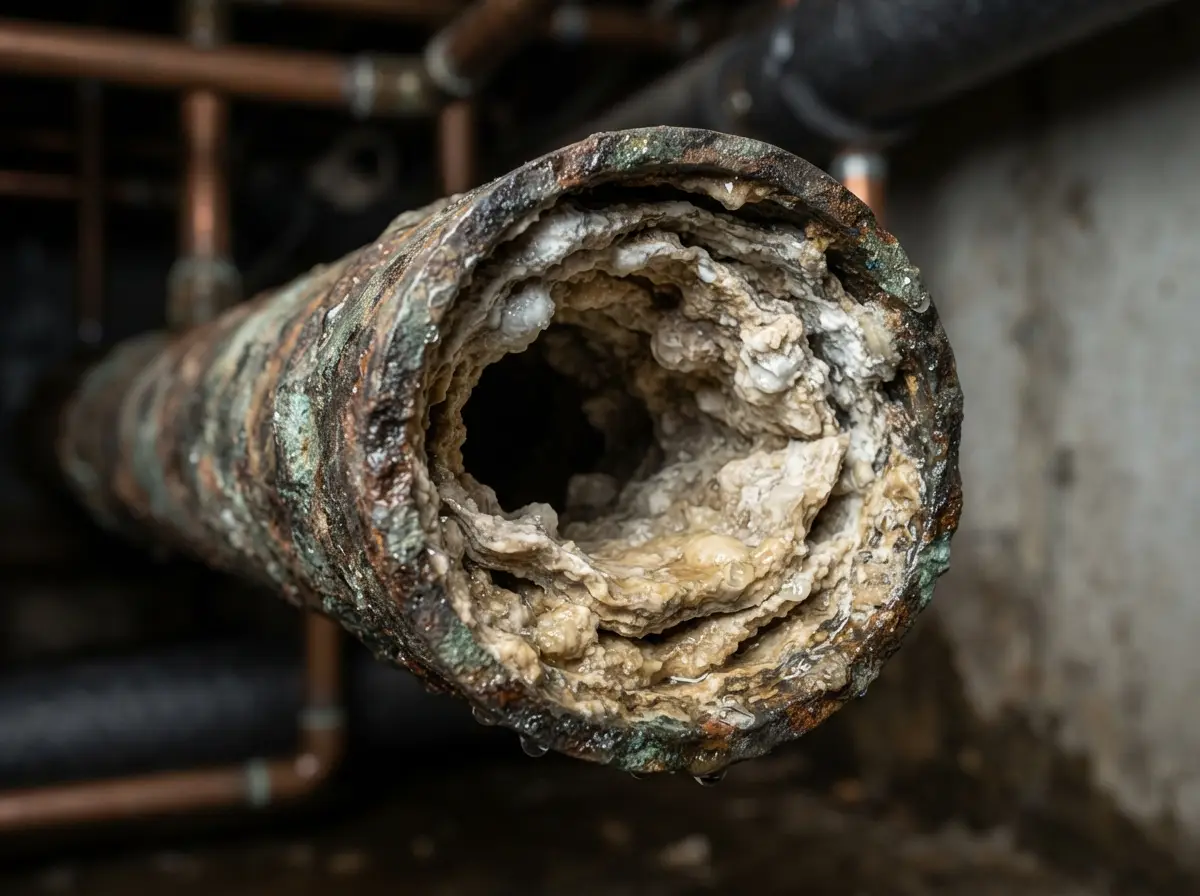
A single slow sink may be caused by material close to the fixture. Several fixtures slowing together, a lower drain backing up when another fixture runs, or repeated clogs after clearing can point farther downstream. Older cast-iron pipe can develop rough internal surfaces and heavy deposits. Roots can enter defective sewer joints, while a belly or damaged section may retain water and debris.
Snaking can open a path through a stoppage, but it does not repair a displaced joint or restore a collapsed pipe. Hydro-jetting can remove certain deposits and roots when the line is suitable, but it should not be prescribed without considering pipe condition. A sewer camera is most useful after access and flow are restored enough for a meaningful view.
Use the symptom pattern in our guide to recurring clogs in older Ventura homes to decide when another routine clearing may be insufficient.
3. Hidden Supply Leaks and Slab-Leak Warning Signs
Hidden leaks may show up as unexplained meter movement, damp building materials, a warm floor area on a hot-water line, sound of running water, staining, musty odor, or an unexplained bill increase. None of those signs proves a slab leak. Toilets, irrigation, hose bibbs, appliances, and water-treatment equipment can create similar clues.
With every fixture and known water-using appliance off, observe whether the meter still indicates flow. Do not damage flooring or open concrete based only on that test. A plumber can isolate parts of the supply system and use locating equipment to narrow the source. Our slab-leak warning-sign guide explains the rule-out process and repair paths.
4. Water-Heater Performance and Safety
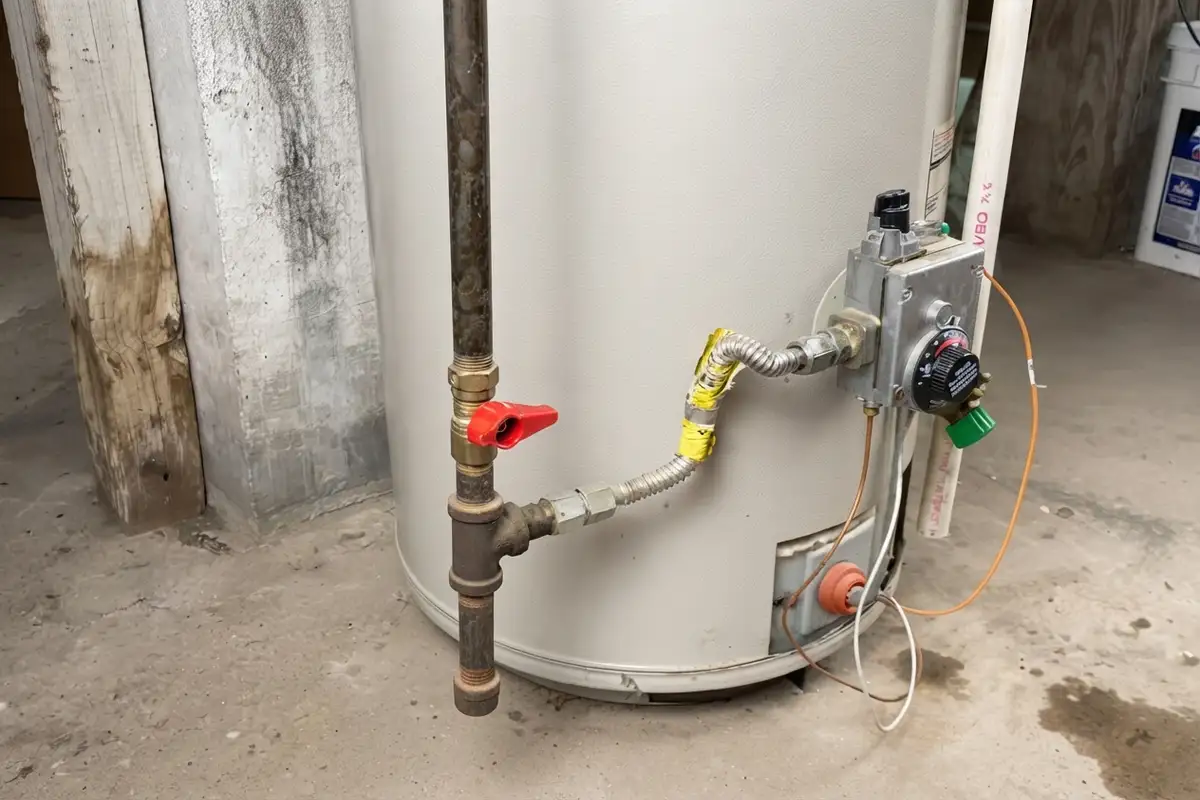
No hot water, temperature swings, rusty-looking hot water, rumbling, a leaking connection, or moisture at the base deserve different responses. A failed element, control issue, mixing problem, sediment, leaking valve, corroded tank, or supply connection can produce overlapping symptoms. Water at the base of a storage tank requires prompt inspection because a leaking tank is not repaired the same way as an external fitting.
Gas water heaters add combustion and fuel-supply risks. If you smell gas near a water heater or other appliance, do not operate electrical switches, light a flame, or investigate the fitting yourself. Leave the area and follow the utility’s emergency instructions. Read our guide on what to do when gas is smelled near a water heater.
5. Low Flow, High Pressure, and Worn Fixtures
“Low pressure” at one faucet is often a local restriction in the aerator, cartridge, stop valve, or supply connector. Low flow throughout the home may involve a regulator, main valve, corroded supply pipe, active leak, or utility-side condition. Test more than one fixture and compare hot with cold before assuming the house needs new piping.
High pressure can shorten the life of fixture cartridges, appliance valves, connectors, and the plumbing system. Signs may include banging, frequent valve failures, or discharge from protection devices, though each has other possible causes. Have pressure measured and the regulator and thermal expansion conditions evaluated rather than treating the number alone.
6. Sewer-Lateral Damage Beyond a Routine Clog
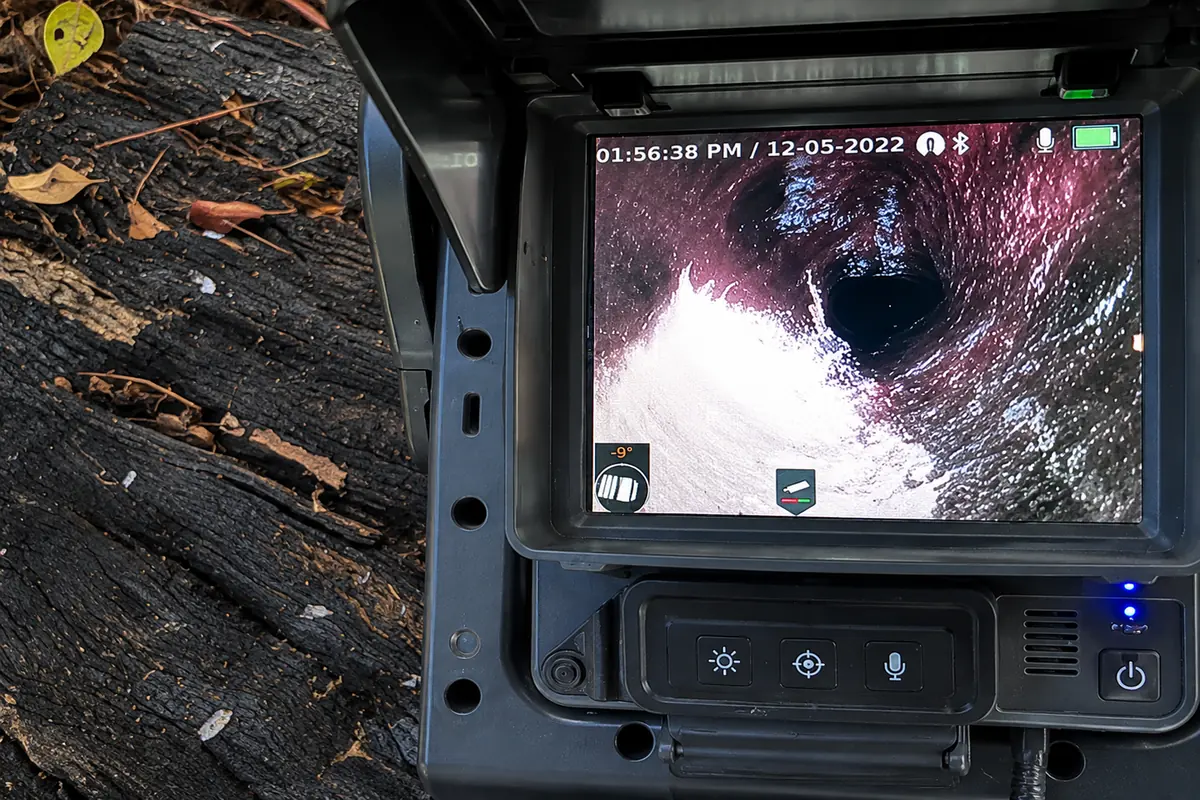
A building sewer can have root intrusion, a separated joint, a belly, deformation, corrosion, or a collapsed section. Surface symptoms rarely identify which one. A properly recorded camera inspection should show the defect and location before a major repair is recommended. Ask to see the footage and have the finding explained in ordinary language.
Camera results also help determine whether spot repair, conventional excavation, lining, bursting, or maintenance is even relevant. Not every line is a candidate for every method. See why camera inspection before sewer repair matters.
What Should You Check First?
| Symptom | First safe check | Escalate when |
|---|---|---|
| One slow drain | Check the stopper or trap area; note whether other fixtures are normal. | The clog returns, several drains slow, or sewage appears. |
| High water bill | Check toilets, irrigation, hose bibbs, appliances, and meter movement. | Flow continues with all known uses off or moisture appears. |
| Low flow | Compare fixtures and hot versus cold; clean an aerator if appropriate. | The whole home is affected or symptoms recur. |
| Water near heater | Avoid contact with electrical or gas controls; identify whether active leakage is visible. | The tank, relief piping, or gas components may be involved. |
| Gas odor | Leave the area and follow utility emergency guidance. | Immediately—do not troubleshoot it yourself. |
A Practical Maintenance Rhythm
Notice changes in bills, sounds, odors, staining, flow, and drain behavior.
Locate and periodically confirm access to the main and fixture valves.
Keep grease, wipes, and inappropriate solids out of the drainage system.
Save camera footage, repair notes, material details, and appliance records.
Maintenance should match equipment manufacturer instructions and actual conditions. Avoid aggressive “preventive” work that is not supported by a diagnosis, such as jetting a fragile line automatically or replacing pipe based only on its age.
Not sure which problem fits the symptoms?
Sespe Plumbing Pros can inspect the issue, explain the evidence, and give a written estimate before work begins. Review our plumbing services or call 805-285-4021.
Frequently Asked Questions
What is the most common plumbing problem in Ventura County homes?
There is no single issue for every home. Hard-water scale and sediment are widespread local conditions, while pipe age and material strongly influence leak and drain problems.
Does hard water cause every pinhole leak?
No. Water chemistry is one factor among material, workmanship, pressure, velocity, electrical conditions, and time. A leak should be diagnosed rather than assigned to hardness alone.
Why does the same drain keep clogging?
The obstruction may not be fully removed, or the line may have deposits, roots, poor slope, damage, or another condition that catches debris. Recurrence is a reason to investigate the cause.
Does a moving water meter prove I have a slab leak?
No. It shows water is flowing somewhere after known uses are off. Toilets, irrigation, appliances, treatment equipment, and other leaks should be ruled out before locating work begins.
Are older homes always more expensive to maintain?
Not always. The condition and history of the actual system matter more than age alone. Older materials deserve closer attention when failures recur.
When is a sewer camera worth using?
It is useful for recurring backups, suspected structural defects, locating a known problem, and documenting a line before selecting a repair method.
What should I do if I smell gas?
Leave the area, avoid flames and electrical switches, and follow your gas utility’s emergency instructions from a safe location.
How can I prevent a plumbing emergency?
Know the shutoffs, watch for changes, keep inappropriate material out of drains, maintain equipment as directed, and address recurring symptoms before they become active damage.