Smell gas? Leave the building now. No switches, phones, or sparks. Once safely outside, call SoCalGas at 1-800-427-2200 (or 911 if severe). Call us after the area is safe.
Gas Line Repair in Ventura, CA — Safe, Permitted Work You Can Trust
Gas work is the one plumbing category where the right answer is often to stop and call someone else first. Once the area is safe and the utility has done its part, the repair on your side of the meter is ours. Sespe Plumbing Pros has handled gas piping across Ventura since 1992.
Free estimates. A real person answers the phone. Call 805-285-4021 now.
Gas Line Repair in Ventura
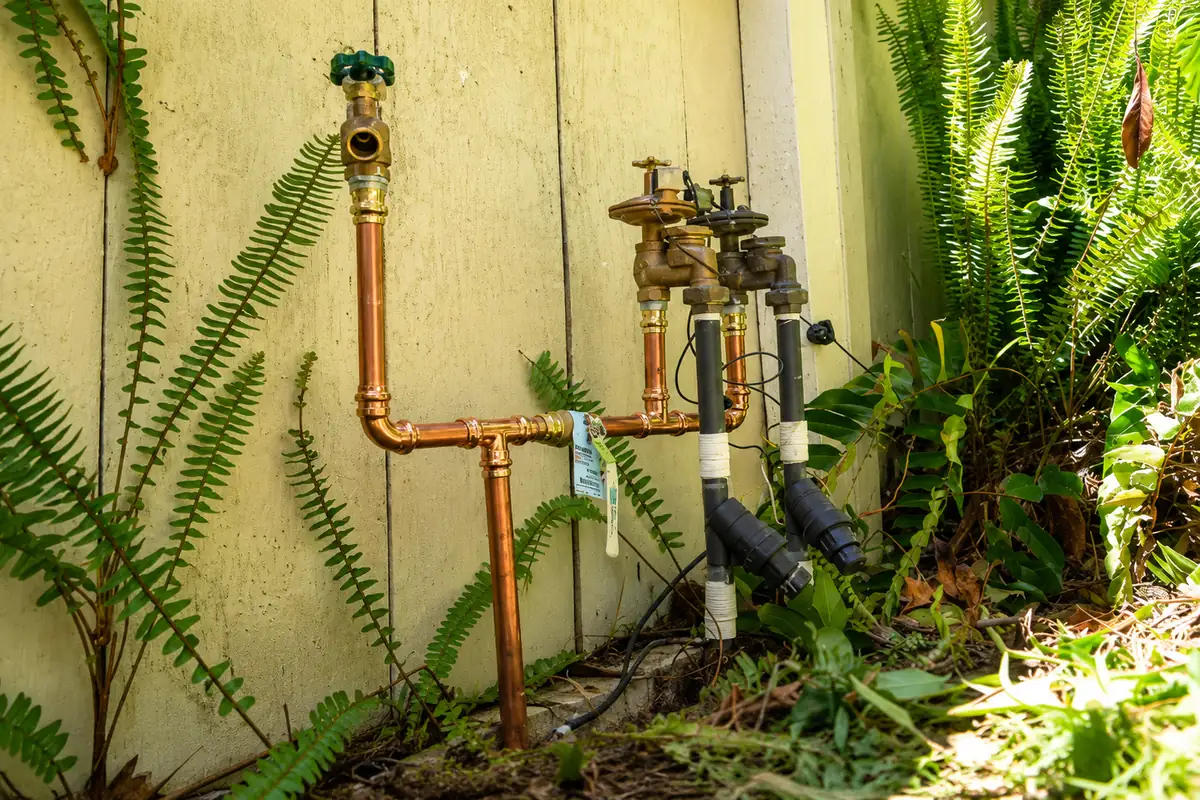
Gas line repair covers leaking or corroded piping, failed fittings, damaged appliance connectors, and worn shut-off valves on the customer side of the gas meter. SoCalGas maintains the line up to and including the meter. Everything from the meter through your home and yard to each appliance is the property owner’s, and SoCalGas directs customers to a qualified plumbing or heating contractor for that work. If you smell gas, evacuate and call SoCalGas at 1-800-427-2200 first. Then call 805-285-4021.
Trusted by Ventura County homeowners since 1992.
Who Owns What: SoCalGas Versus Your Plumber
This is the question people ask most and the one almost nobody answers clearly, so here it is in plain terms, drawn directly from SoCalGas’s own published material.
SoCalGas owns and maintains the service line running from the gas main in the street or easement to the riser at your property, plus the riser and the meter itself. In SoCalGas’s words, it is “responsible for maintaining the natural gas lines that carry natural gas to the meter.”
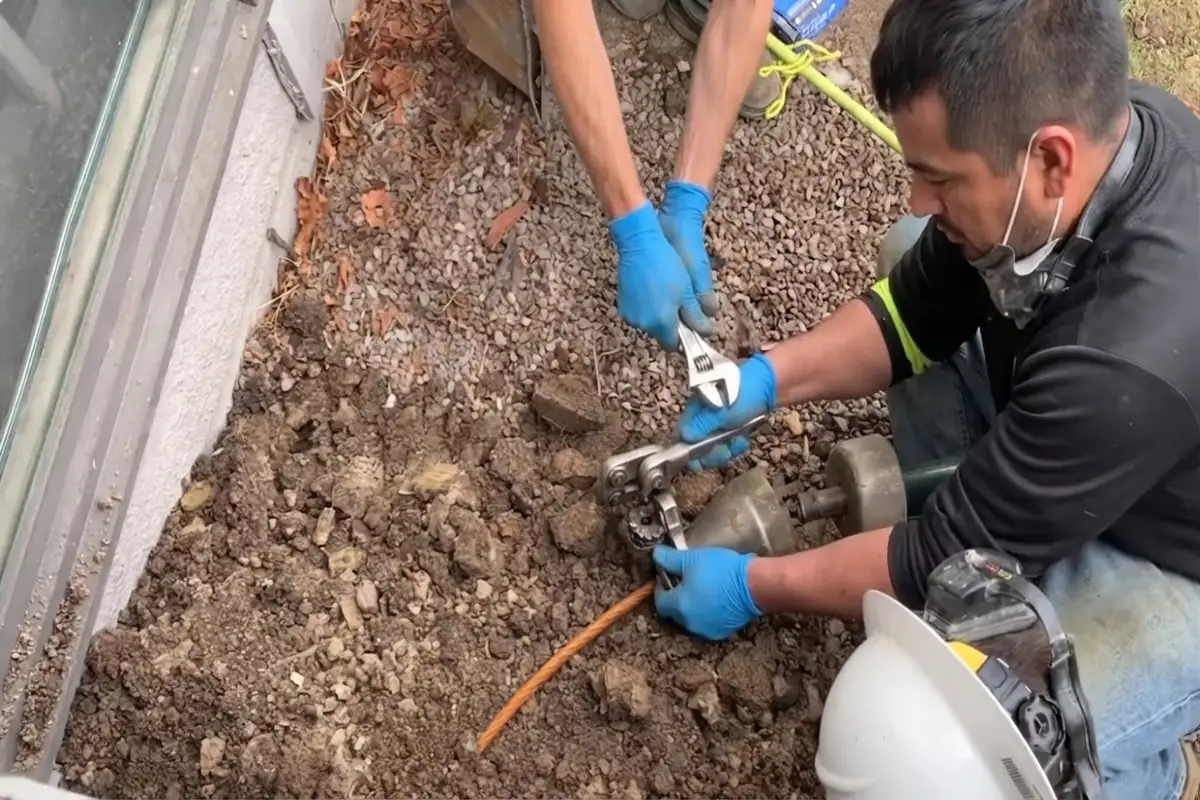
You own everything downstream of that meter. SoCalGas describes customer-owned lines as those running from the meter to the appliances on your property, from a curbside meter to the home when the meter is not next to the building, and from the meter underground to a pool or spa heater, barbecue, or other outdoor gas appliance. That last category catches a lot of people off guard, because those buried yard lines are easy to forget until something goes wrong with one.
SoCalGas Handles
- Service main in the street or easement
- Service line up to and including the meter
- The riser and the meter itself
- Restoring service and relighting pilots
Call SoCalGas first if you suspect a leak.
You + Your Plumber Handle
- Gas line from the meter into your property
- Piping in walls, attics, and crawl spaces
- Shut-off valves and appliance connections
- Buried outdoor lines (BBQs, fire pits, pool and spa heaters)
This is where we work — permitted, inspected, and tested.
SoCalGas Does Not Repair Customer-Owned Piping
Its guidance is that these lines should be inspected periodically and that any unsafe condition should be repaired immediately by “a qualified professional, such as a plumbing or heating contractor.” That is the work we do.
What Happens After the Gas Gets Shut Off
If the utility shuts off service, or if you shut it off yourself at the meter, the sequence matters. SoCalGas is explicit that once gas is turned off at the meter you should leave it off and not turn it back on yourself, and that a safety inspection should be performed before service is restored and appliance pilots are relit. Only SoCalGas or its certified contractors are authorized to operate the service shut-off valve.
Gas Is Shut Off
The leak is found and the gas is shut off at the meter.
Permitted Repair & Inspection
The customer-side repair is completed by a qualified contractor, then inspected where a permit applies.
SoCalGas Restores Service
The utility restores service and relights appliances.
Our part is the middle. Understanding that sequence in advance is the difference between a couple of days without hot water and a week of confusion about who to call.
Permits
Gas piping is permitted work. Ventura County’s plumbing permits explicitly cover fuel gas piping alongside water, waste, drain, and vent piping. SoCalGas’s own guidebook states that applicants must obtain the appropriate permits and final inspections before the utility can establish service, and that it will not establish service until piping has been installed satisfactorily and released by the local inspection agency. We handle permitting as part of the job rather than leaving you to discover it later.
Signs of a Gas Line Problem
Smell and sound are the urgent ones and mean evacuate first. Leave the building, then call SoCalGas at 1-800-427-2200 from a safe location. The rest warrant an inspection rather than an evacuation.
A Safety Point Worth Correcting
People ask often whether a carbon monoxide detector will warn them about a gas leak. It will not. A CO detector senses carbon monoxide, a byproduct of incomplete combustion. Natural gas leaking from a pipe is unburned methane, and a CO alarm has no way to detect it.
Natural Gas Leak
- Odorized with a sulfur smell
- Unburned methane escaping from a pipe
- Detected by smell and a proper leak test
Carbon Monoxide (CO)
- Odorless and colorless
- A byproduct of incomplete combustion
- Detected by a CO alarm
CO alarms do not detect leaking natural gas. Both devices matter and they do different jobs. A CO alarm protects against a badly burning or improperly vented appliance. Detecting escaping gas relies on the odorant added to it, which is why the smell is the signal to act on, and on a proper leak test with the right instruments.
What We Repair
Earthquake Gas Shut-Off Valves
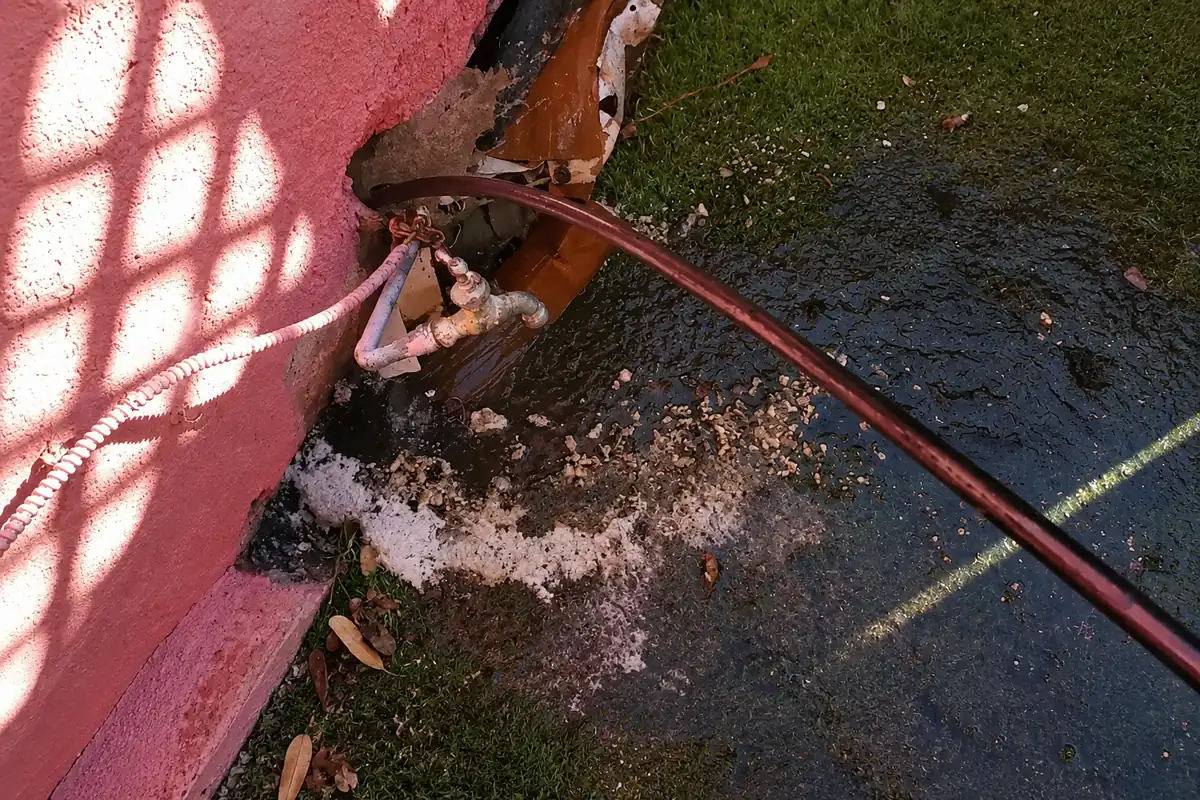
These are seismic-activated valves installed on the customer’s house line that close automatically when shaking exceeds a set threshold. They come up constantly in this county, and there are two things worth knowing that we could not find stated anywhere else locally.
SoCalGas Will Not Install One for You
Its published position is that it no longer installs earthquake shut-off valves for customers and that you should hire a qualified professional to install the valve on your house line. If a competitor’s page implies the utility handles this, that is not current.
Requirements Are Set Locally, Not Statewide
California law requires that any new seismic gas shutoff device sold in the state be certified by the State Architect before sale, but that governs the device, not whether you must have one. Some California jurisdictions require installation and others do not. We reviewed the current Ventura County building code ordinance and found no seismic gas shutoff valve requirement in it, and we were not able to independently confirm the City of Ventura’s position. SoCalGas’s own advice is to contact your local building and safety department to find out what applies at your address, and that is the honest answer we will give you too rather than guessing on your behalf.
One practical note. If the valve trips for a reason other than an earthquake, resetting it and relighting appliances is not free, so a valve that trips on a slammed door or a delivery truck is worth diagnosing rather than repeatedly resetting.
How We Find and Verify a Leak
Visual Inspection
Accessible piping, fittings, connectors, valves, and appliance connections.
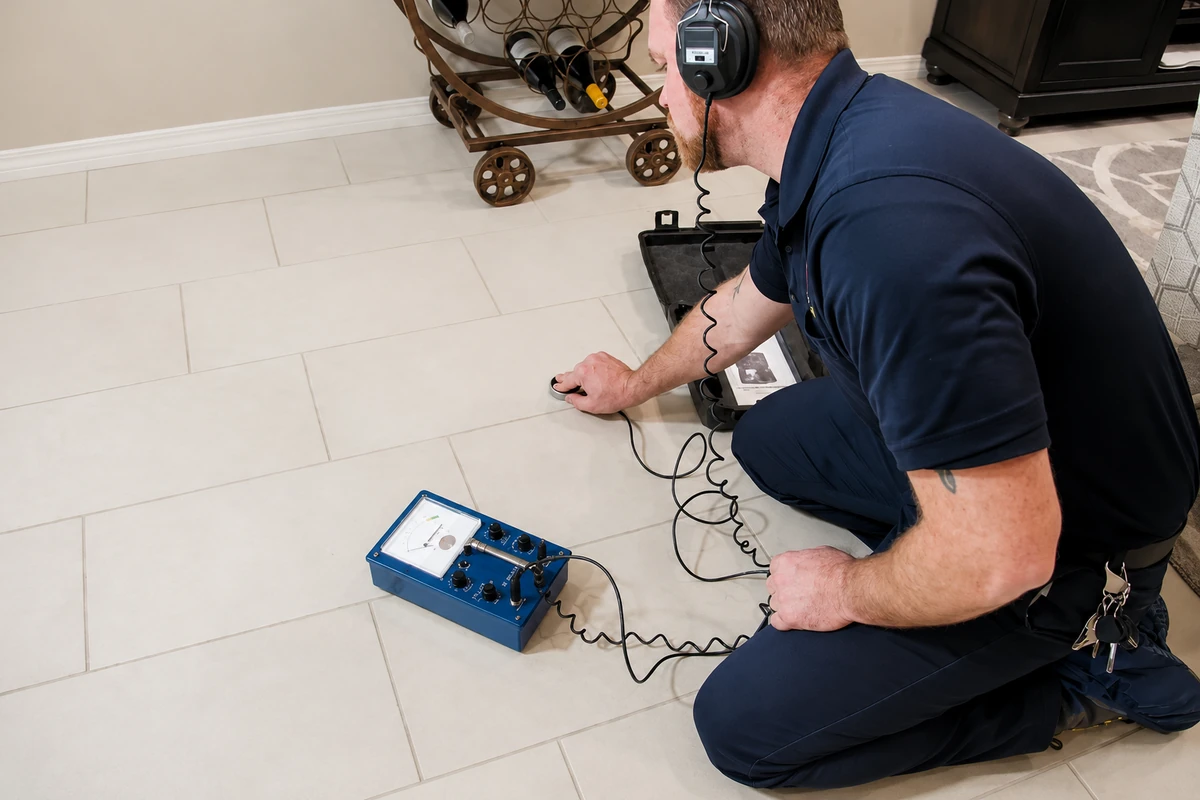
Electronic Detection
To identify gas concentration near suspected areas.
Soap Solution Testing
At fittings, where escaping gas shows as bubbles.
Pressure Testing
On an isolated section, watching for loss over time. This is what proves a repair.
Valve & Connector Checks
At each appliance and at the meter area.
A pressure test is usually what an inspector wants to see before service goes back on, and it is what tells us the section is actually tight rather than merely quieter.
Why Ventura Homeowners Call Sespe Plumbing Pros
A BuildZoom score of 95 puts Sespe Plumbing Pros in the top 22 percent of California contractors on the platform, the kind of standing that comes from decades of steady, local work since 1992.
Think You Might Have a Gas Line Issue?
Get a free, straightforward estimate before anything gets opened up. The same crew handles the permit and the repair.
Local Conditions That Affect Gas Piping Here
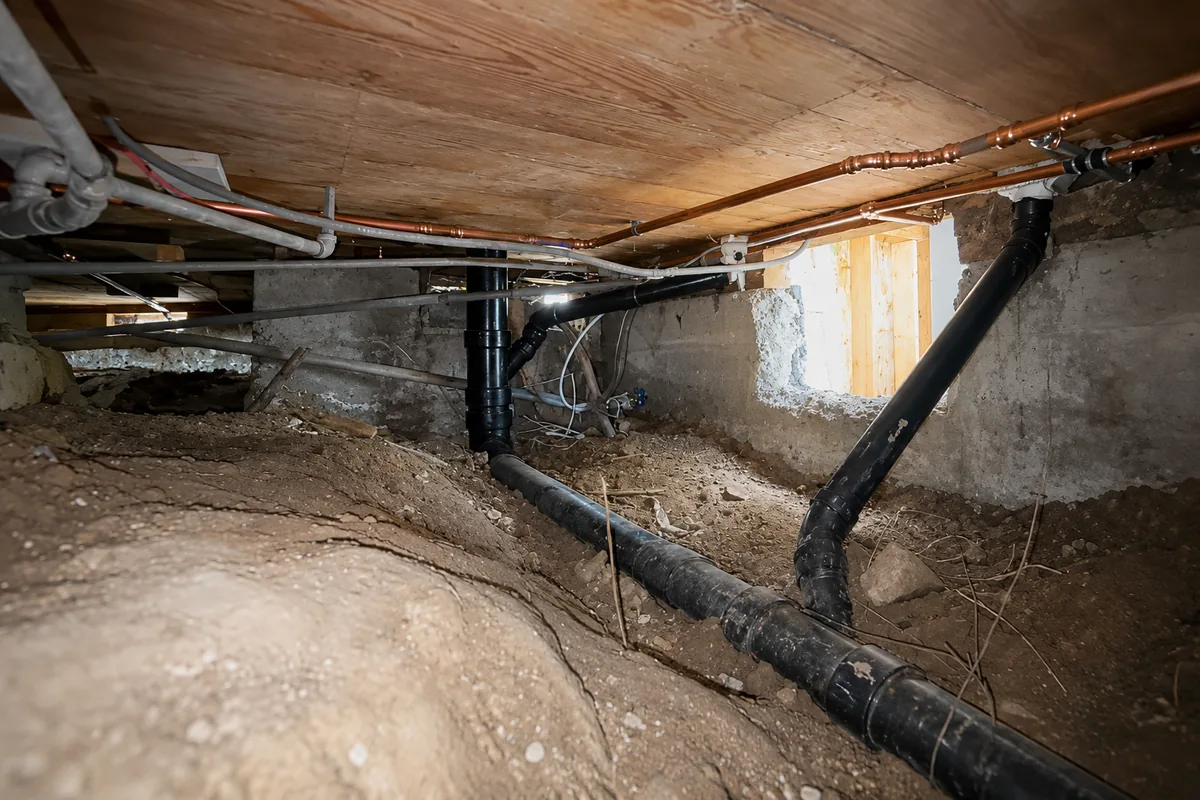
Older Black Iron Pipe and Corrosion
Older housing across the area commonly runs on black iron gas pipe that has been in place for decades. It does not fail evenly. It fails where moisture sits, which in practice means at grade, where a pipe passes through a wall or slab, and on buried runs to detached structures and yard appliances.
Seismic Movement and Threaded Joints
Seismic activity is the other factor, and it is a genuine one in Ventura County. Ground movement stresses buried lines and works threaded connections loose over time. That is the practical case for having older piping inspected periodically rather than only after something smells, and it is the reason the earthquake valve question comes up so often here.
What Affects Cost
Factors That Influence Cost
The Bottom Line
Every job is different, which is why we do not publish a flat rate for gas work.
Estimates are free and given in writing before work begins.
Frequently Asked Questions
What should I do if I smell gas?
What does the gas company handle versus what a plumber handles?
Who turns my gas back on after a repair?
Can a plumber repair a natural gas line?
Do I need a permit for gas line work in Ventura County?
Will a carbon monoxide detector alert me to a gas leak?
Do I need an earthquake gas shut-off valve in Ventura?
Can a gas line be repaired instead of replaced?
How do you test for a gas leak?
Is it safe to repair a gas line myself?
Service Areas
Sespe Plumbing Pros handles gas piping throughout Ventura and Ventura County.
Related: Water Heater Repair and Tankless Water Heaters, both of which depend on the gas supply feeding them, and Emergency Plumber for anything that cannot wait once the area is safe.
Gas Turned Off or an Appliance Tagged?
The customer-side repair is the step between you and getting service back. Call 805-285-4021 for a free estimate.