Drain-Cleaning Decision Guide
Hydro-Jetting vs. Snaking: Which One Does Your Drain Need?
Both methods can restore flow, but they solve different kinds of blockages. The right choice depends on what is in the line, whether the problem keeps returning, and what the pipe can safely handle.
Should you use a drain snake or hydro-jetting?
Snaking is usually the better fit for a single, localized blockage such as hair, paper, or an object that must be broken up or retrieved. Hydro-jetting is often the better fit for grease, sludge, sediment, or removable buildup spread along a sound pipe wall. A recurring main-line clog, an older or unknown pipe, or signs of structural trouble call for diagnosis before either method is selected.
Most homeowners do not care which machine comes off the truck. They want the drain open, the cause explained, and a solution that does not cost more than the problem requires. That is why the honest comparison is not “basic versus premium.” A cable and a water jet do different work.
Choosing the wrong method can leave wall buildup behind, fail to retrieve a solid object, or put an already damaged pipe under unnecessary stress. Choosing well starts with the clog pattern and ends with the actual condition of the line.
The practical difference between snaking and hydro-jetting
What snaking does
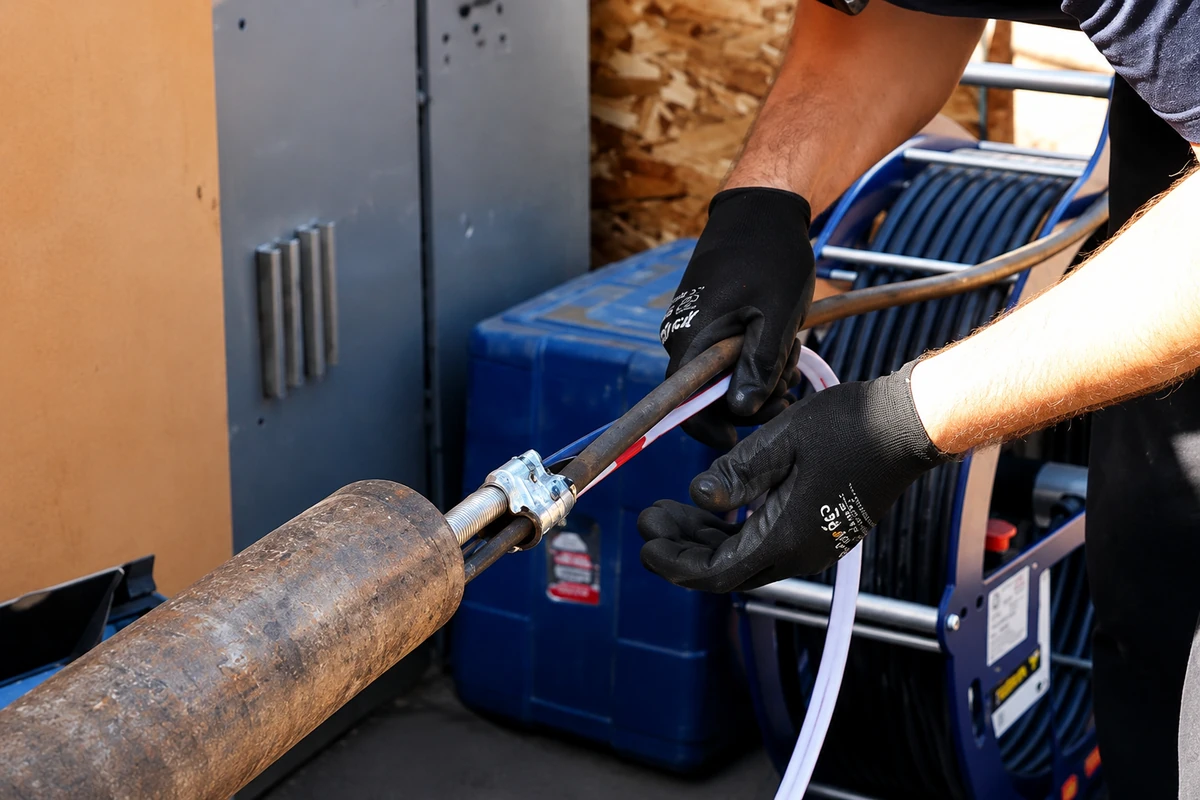
A drain snake, also called a cable machine or auger, rotates a cable through the line. The selected head can bore through, cut, hook, or retrieve an obstruction.
- Creates or restores a path through a clog
- Can target hard or solid obstructions with the right cutter
- Works well for many fixture and branch-drain stoppages
- May leave grease or residue on the pipe wall
What hydro-jetting does
A hydro-jetter sends controlled water through a specialized hose and nozzle. The water breaks up soft material, cleans the pipe circumference, and carries loosened debris downstream.
- Scours compatible pipe walls rather than opening only a channel
- Excels on grease, soap, sludge, and soft buildup
- Can flush loosened material out of the line
- Requires the right access, nozzle, flow, and pipe condition
“Snaking” also covers more than one tool. Professional cables accept different augers and cutters for grease, roots, rags, scale, and retrieval. Likewise, hydro-jetting is not one universal pressure setting. Nozzle choice, water flow, access direction, pipe diameter, material, and condition all affect the plan.
Hydro-jetting vs. snaking by situation
| What is happening | Likely starting point | Why |
|---|---|---|
| One sink, tub, or toilet clogged once | Snaking or fixture-specific augering | A localized obstruction may only need to be broken up or removed. |
| Hair or a small paper blockage | Snaking | A cable can reach and clear the isolated stoppage without cleaning the full line. |
| Object lodged in a drain | Snaking or retrieval | Water pressure may move the object farther. A retrieval head may be more useful. |
| Grease-coated kitchen line | Hydro-jetting | Water flow can break up soft grease and carry it out instead of making a temporary channel. |
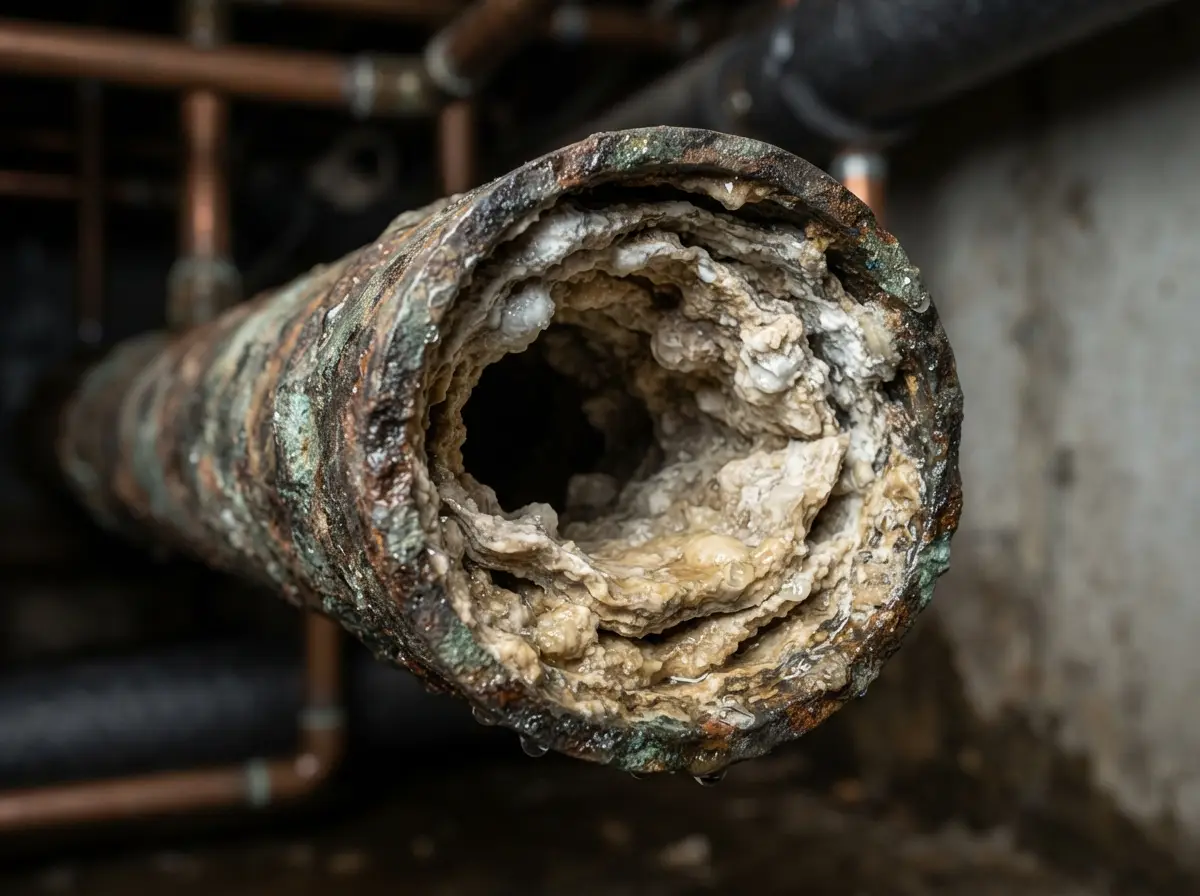
| Recurring clog in the same line | Inspect, then select | Wall buildup may need cleaning, while a crack, offset, belly, or collapse needs a different response. |
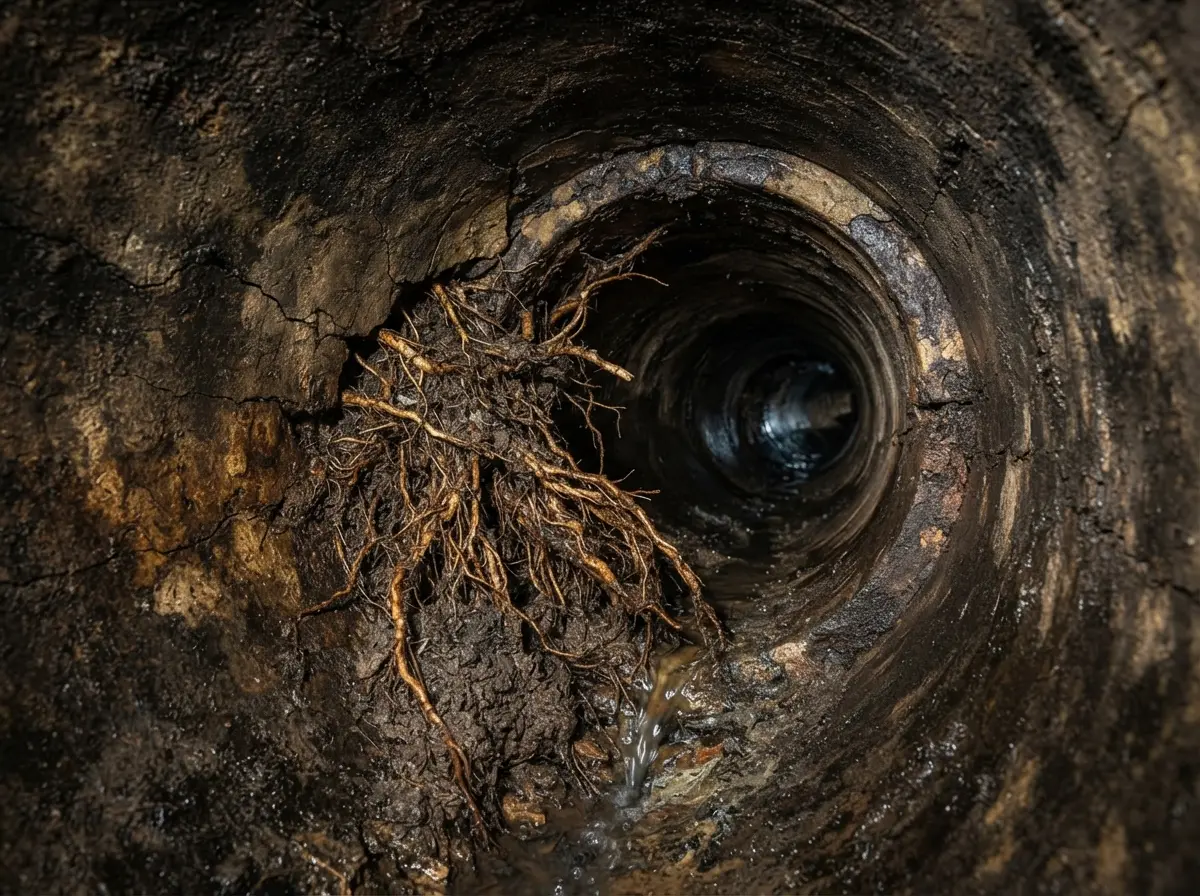
| Roots in a sewer lateral | Mechanical cutting, jetting, or both | The method depends on root density, equipment, and pipe condition. Cleaning does not close the root-entry defect. |
| Scaled older cast iron | Inspect before cleaning | Sound pipe may benefit from wall cleaning or descaling, but severe corrosion changes what is safe. |
| Cracked, collapsed, or deformed pipe | Neither as the final solution | Cleaning cannot restore structure, slope, alignment, or pipe shape. |
When a camera inspection should come first
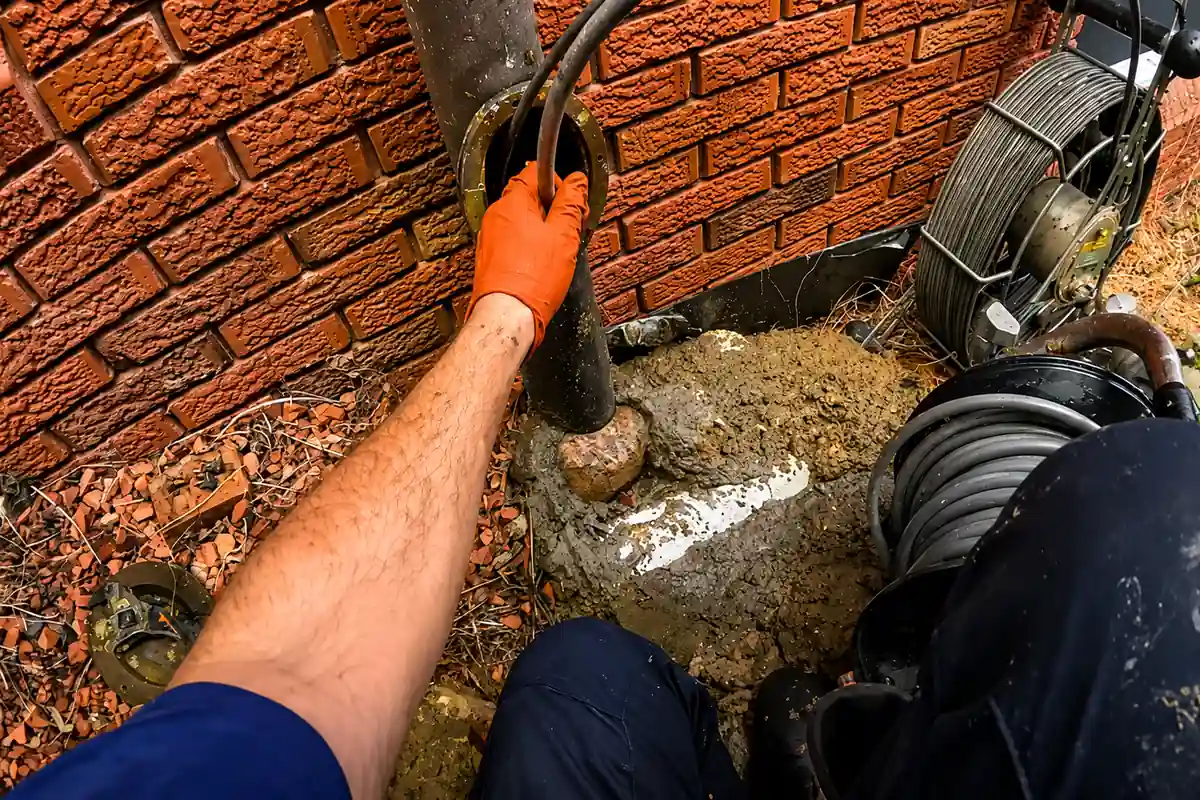
A simple, first-time sink clog does not automatically need a sewer camera. A camera becomes more valuable when the same line keeps failing, several fixtures are involved, roots have been found before, the home has older or unknown sewer material, or hydro-jetting is being considered for a main line.
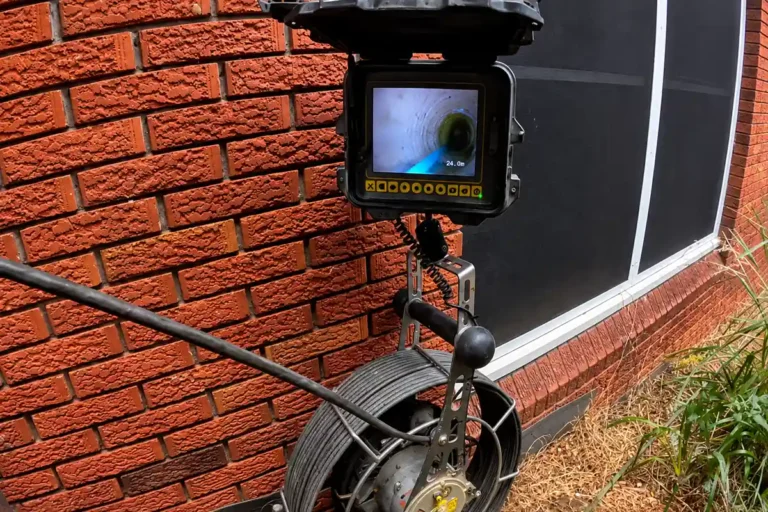
The camera can show pipe material, heavy buildup, root entry, open joints, offsets, standing water in a belly, deformation, corrosion, and partial collapse. It also helps locate the condition in relation to a cleanout, yard, slab, or property connection. A heavy blockage may prevent the camera from traveling at first, so the line sometimes has to be opened before a complete inspection is possible.
Identify the affected line
One fixture points toward a local branch. Multiple fixtures or the lowest drain backing up can point farther downstream.
Open the line if necessary
If standing wastewater blocks access or visibility, cabling may be used first so a camera can travel and the line can be evaluated.
Confirm material and condition
The safe cleaning method depends on what the pipe is made of and whether it is sound, corroded, deformed, cracked, offset, or collapsed.
Match the tool to the cause
Remove or cut a hard obstruction mechanically, wash soft wall buildup from compatible pipe, or address a structural defect instead of repeating cleaning.
What neither method can fix
Snaking and hydro-jetting are cleaning methods. They do not correct poor slope, lift a sagging section, align an offset joint, close a crack, rebuild a collapsed wall, or stop roots from using an existing opening. Both can restore flow when roots or debris are removed, but that does not mean the pipe defect is gone.
How to judge whether the cleaning worked
Flow returning is the first requirement, not the only one. For a one-time local clog, normal drainage and a clear test may be enough. For a recurring main-line problem, the result should be judged against the original cause: was the grease or debris flushed out, can the line be viewed, is a defect still visible, and does the pipe drain without standing water where it should not?
A plumber should also be able to explain whether the cleaning is expected to be a complete solution, maintenance for a line that will accumulate material again, or a temporary step before repair. This keeps “the drain is open” from being mistaken for “the underlying issue is fixed.”
Questions to ask before choosing
A repeat problem deserves more diagnosis than an isolated event.
Hair, an object, grease, roots, scale, or a structural defect point to different next steps.
Material and present condition matter more than age alone.
The plan should explain how loosened material leaves the line.
Visibility may be limited until the blockage is cleared enough for inspection.
A responsible recommendation includes the conditions that would make another approach safer.
Which one costs less?
Snaking generally costs less because it uses a simpler setup and targets an immediate blockage. Hydro-jetting generally costs more because the work may include inspection, larger equipment, water setup, controlled passes, and flushing more material from the line. Exact cost depends on access, line length and diameter, blockage type, pipe condition, cleanup, and whether more than one method is required.
The lower initial price is not automatically the lower total cost if the same grease-coated or scaled line is cabled repeatedly without addressing its walls. The opposite is also true: paying for full-line jetting is unnecessary when a small, isolated clog only needs an auger. The economical choice is the least extensive method that can safely solve the confirmed problem.
Choose the service by the problem, not the machine
For a one-time stoppage or an unknown clog, start with Sespe’s drain cleaning service in Ventura. For recurring grease, sludge, soft roots, or removable pipe-wall buildup, see how professional hydro-jetting is evaluated. Call 805-285-4021 and describe the pattern before deciding which tool you need.
Frequently asked questions
Is hydro-jetting more expensive than snaking?
Generally, yes. Hydro-jetting addresses material along more of the pipe wall and requires a different equipment setup. Whether that added work makes sense depends on whether the problem is a one-time obstruction or ongoing buildup. For a simple localized clog, snaking may be the more appropriate and economical method.
Can hydro-jetting damage my pipes?
It can worsen a line that is already cracked, collapsed, deformed, or severely corroded if the condition and settings are not properly evaluated. That is why pipe material, condition, access, nozzle choice, flow, and operating pressure matter. Older does not automatically mean unsafe, but unknown or questionable pipe should be inspected first.
Will snaking fix a recurring clog for good?
Sometimes, if a retrievable object or specific hard obstruction was the complete cause. It usually will not permanently solve grease coating, extensive scale, a belly, an offset, a crack, or a root-entry point. Snaking can clear the immediate path while the condition that catches new debris remains.
Do I need a camera inspection before every drain cleaning?
No. A simple first-time fixture clog may not justify one. Inspection becomes more useful when a blockage is recurring, affects a main line, involves previous roots, or precedes hydro-jetting in older or unknown pipe. If the line is fully blocked, it may need to be opened before the camera can pass.
Is hydro-jetting safe for older Ventura County homes with cast iron pipe?
It can be appropriate when the cast iron is structurally sound and the equipment is matched to its condition. A heavily corroded, cracked, or thin-walled section may not be a safe candidate. A camera inspection and professional judgment are more reliable than deciding from the home’s age alone.
What does a plumber look for before deciding between the two?
The decision includes which fixtures are affected, whether the clog is new or recurring, the likely obstruction, access and cleanout location, pipe diameter and material, visible corrosion or damage, grease or root involvement, and whether the line can carry loosened debris away. In some cases, the right answer is to use both methods in sequence.
About this guide
Sespe Plumbing Pros has served Ventura County since 1992. This guide is designed to help homeowners understand why a responsible drain-cleaning recommendation starts with the condition in the pipe, not a one-size-fits-all preference for one machine.