Tankless Water Heaters in Ventura, CA — Sized Right, Not Oversold
Tankless systems are excellent when they are sized and installed correctly, and disappointing when they are not. Most of the complaints people have about them trace back to a unit that was too small, a gas line that could not feed it, or scale that was never flushed out. Sespe Plumbing Pros repairs, services, and installs tankless systems across Ventura, and has been working on local plumbing since 1992.
Free estimates. A real person answers the phone. Call 805-285-4021 now.
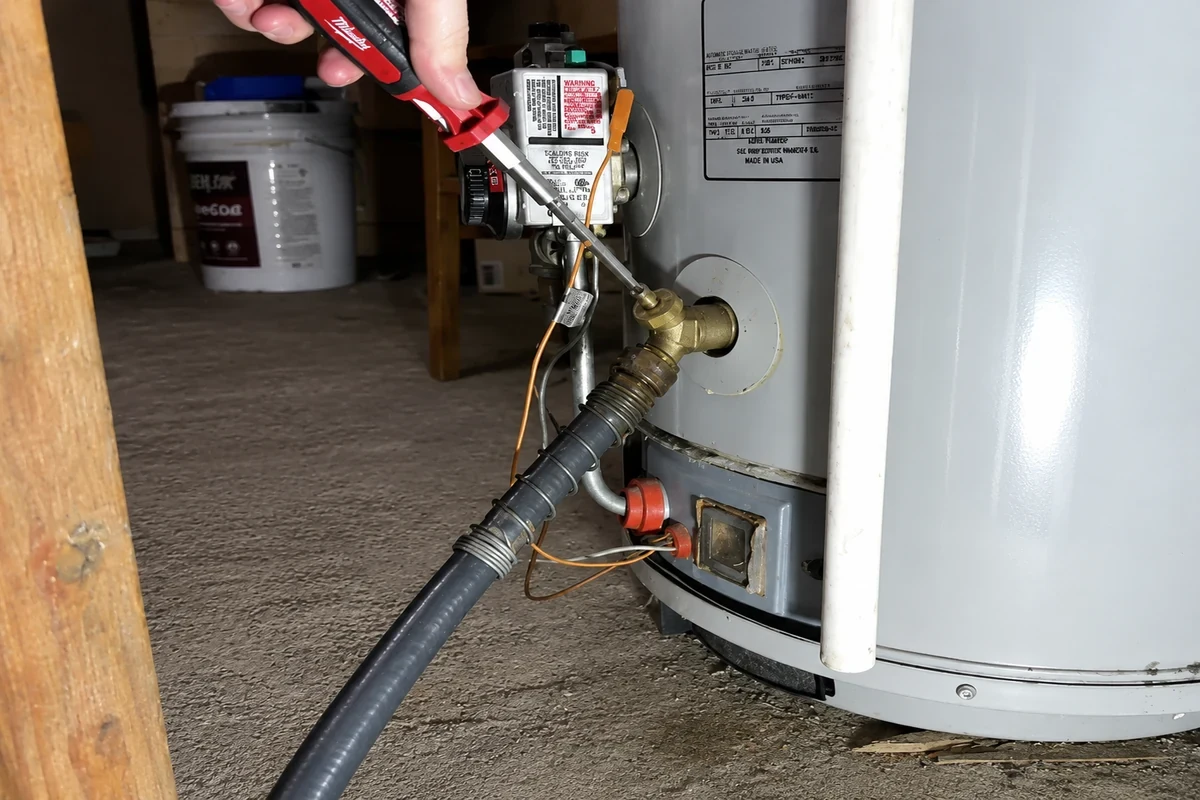
Tankless Water Heaters in Ventura
A tankless water heater heats water as it flows through the unit instead of storing it. It removes standby heat loss and does not run out during a long draw, but only if it is sized for your peak demand and fed by an adequate gas or electrical supply. In Ventura’s very hard water, descaling on a schedule is what keeps it working. Call 805-285-4021 for a free estimate.
Where Tankless Goes Wrong, and Why
If you have heard someone say their tankless unit never worked right, one of these three is almost always the reason.
Scale Is the Local Issue, and Here Are the Numbers
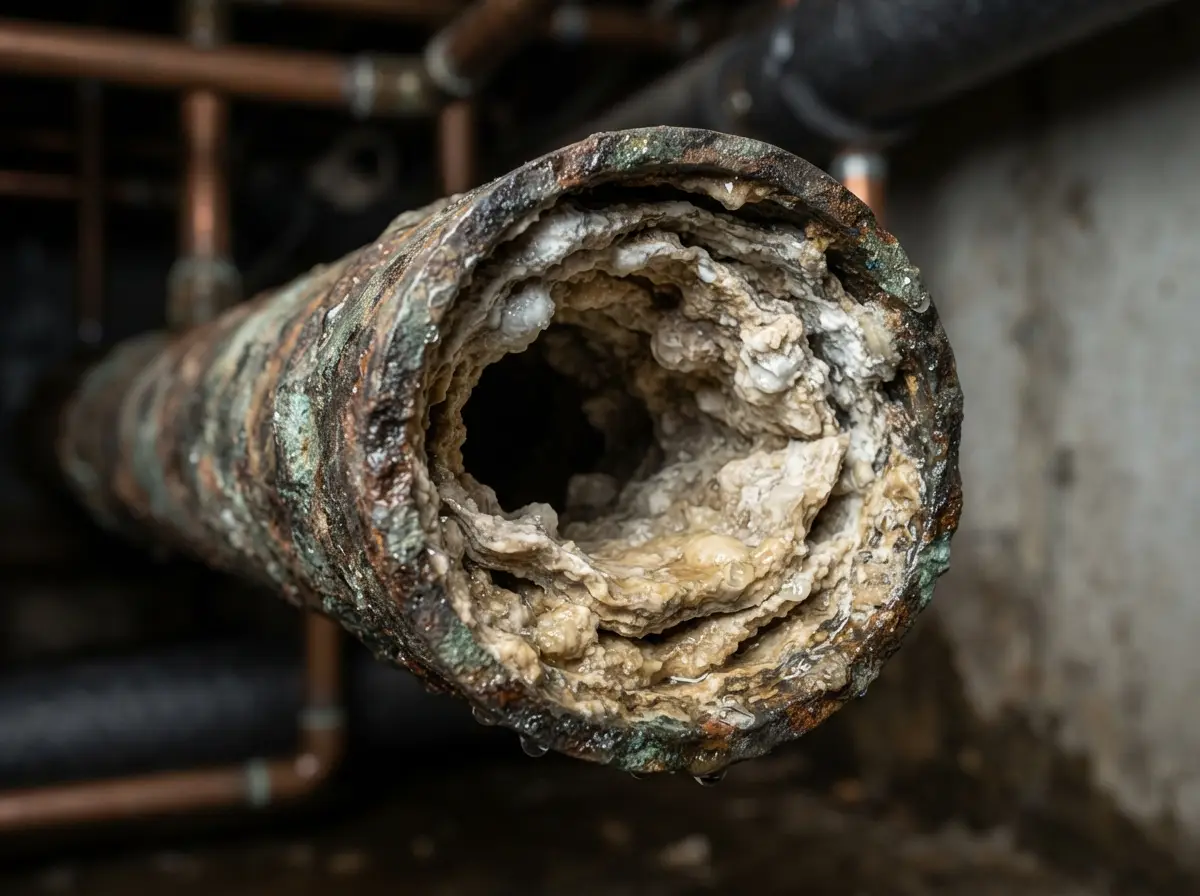
A tank water heater tolerates hard water by letting sediment fall to the bottom, where it degrades performance slowly. A tankless unit has no bottom to collect anything. Minerals deposit directly on the heat exchanger, in the hottest, narrowest part of the system.
Ventura Water’s 2024 water quality report gives hardness separately for each source. Lake Casitas water runs about 263 ppm, roughly 15 grains per gallon. Ventura River water averages about 445 ppm, roughly 26 grains. Local groundwater averages about 637 ppm, roughly 37 grains, with individual readings reported as high as 911 ppm, or 53 grains. The USGS classifies anything above 180 ppm as very hard, so every local source clears that bar and the groundwater end clears it several times over.
What that means practically is that a tankless unit here needs descaling more attentively than the same unit would in a softer-water region, and that manufacturer maintenance guidance written for average conditions may be optimistic for a home on the harder end of the local range. Scale reduces heat transfer, forces longer burn cycles, causes temperature to wander, and eventually triggers fault codes. A neglected heat exchanger is one of the more expensive components to replace on these systems.
If the home has a softener or whole-house treatment, the interval usually stretches. We assess the specific unit and the specific water rather than applying one schedule to every job.
Is Tankless Right for Your Home?
We would rather talk you out of a bad fit than install one.
There is no universal answer. There is an answer for your house, and it depends on things we can only establish by looking.
What a Proper Installation Involves
Permit: gas piping and water heater work is permitted work in this area. We handle it rather than leaving it to you.
Gas or Electric
Gas is the common choice for whole-home use here, because it delivers the flow rate a household needs at Ventura’s temperature rise. The constraint is gas capacity and venting.
Electric works well point-of-use, for a single bathroom, a guest cottage, an ADU, or a remote fixture where running gas is impractical. There is no venting to solve. The constraint is electrical capacity, and for whole-home use in a gas-served house the panel demand is usually the deciding factor against it.
Tankless Repair and Error Codes
An error code narrows the search. It does not name the fault. The same code can point to a blocked vent, a starved gas supply, a failing flow sensor, or scale in the exchanger, and replacing parts against the code alone is how people end up paying twice.
Common failures we see: ignition and burner faults, scale in the heat exchanger, clogged inlet filter screens, flow sensor problems, venting obstruction, inadequate gas supply showing up as a combustion fault, cold water sandwich between draws, and leaking service valve connections.
We check flow, gas supply and pressure, venting, filter condition, and scale before recommending a repair. If a repair does not make sense against the unit’s age and condition, we will say so.
Why Ventura Homeowners Call Sespe Plumbing Pros
Sespe Plumbing Pros started in Fillmore and has been serving California since 1992. That is decades of hands-on plumbing work in the communities we know.
Our Process
Call 805-285-4021
and tell us whether this is a fault on an existing unit or a conversion you are considering.
We Establish Demand.
Fixture count, realistic simultaneous use, and target temperature.
We Check the Supply Side.
Gas line and meter capacity, venting route, electrical, and condensate options.
On an Existing Unit,
we test flow, review fault history, inspect the inlet filter, and assess scale.
We Tell You What We Would Do,
including when the honest answer is a tank unit instead.
Written Estimate Before Work Starts.
Clear scope and pricing in writing.
You Approve.
Nothing happens until you say go.
We Complete the Work
and verify output temperature and flow under real simultaneous draw before leaving.
Weighing a Switch to Tankless?
We’ll confirm your gas and venting capacity before you spend a dollar on a unit that was never going to fit your house.
What Affects Cost
Unit capacity and fuel type, whether the gas line and meter need upsizing, the venting route, electrical work, condensate routing on condensing models, removal and disposal of an old tank, whether isolation valves already exist, permits, and whether water treatment is added to protect the exchanger. Service and descaling visits are a different and much smaller scope than installation. Estimates are free and given in writing before work begins.
Frequently Asked Questions
Are tankless water heaters worth it?
Can a tankless water heater run multiple showers at once?
How often should a tankless water heater be flushed in Ventura?
Why does my tankless water heater show an error code?
Why is my tankless unit not producing hot water?
What is the cold water sandwich?
Do tankless water heaters really save money?
Can I replace my tank water heater with a tankless unit?
How long do tankless water heaters last?
Do you repair tankless units as well as install them?
Service Areas
Sespe Plumbing Pros provides tankless water heater installation, repair, and descaling throughout Ventura County.
Related pages: water heater repair for tank units, gas line repair for the gas supply a tankless conversion depends on, and emergency plumber for anything that cannot wait.
Chasing an Error Code or Weighing a Conversion?
Whether you are chasing an error code or weighing a conversion, the first useful step is establishing what your household actually demands and what your gas supply can deliver. Call 805-285-4021 for a free estimate.