
Whole-House Water Filtration in Ventura, CA for Cleaner Water
White scale on fixtures, sediment in a cartridge, or water that tastes and smells different from one part of Ventura to another all call for a system chosen around the actual water, not a one-size-fits-all filter. Sespe Plumbing Pros installs and services whole-house water filtration across Ventura County, with a written recommendation and free estimate before work begins.
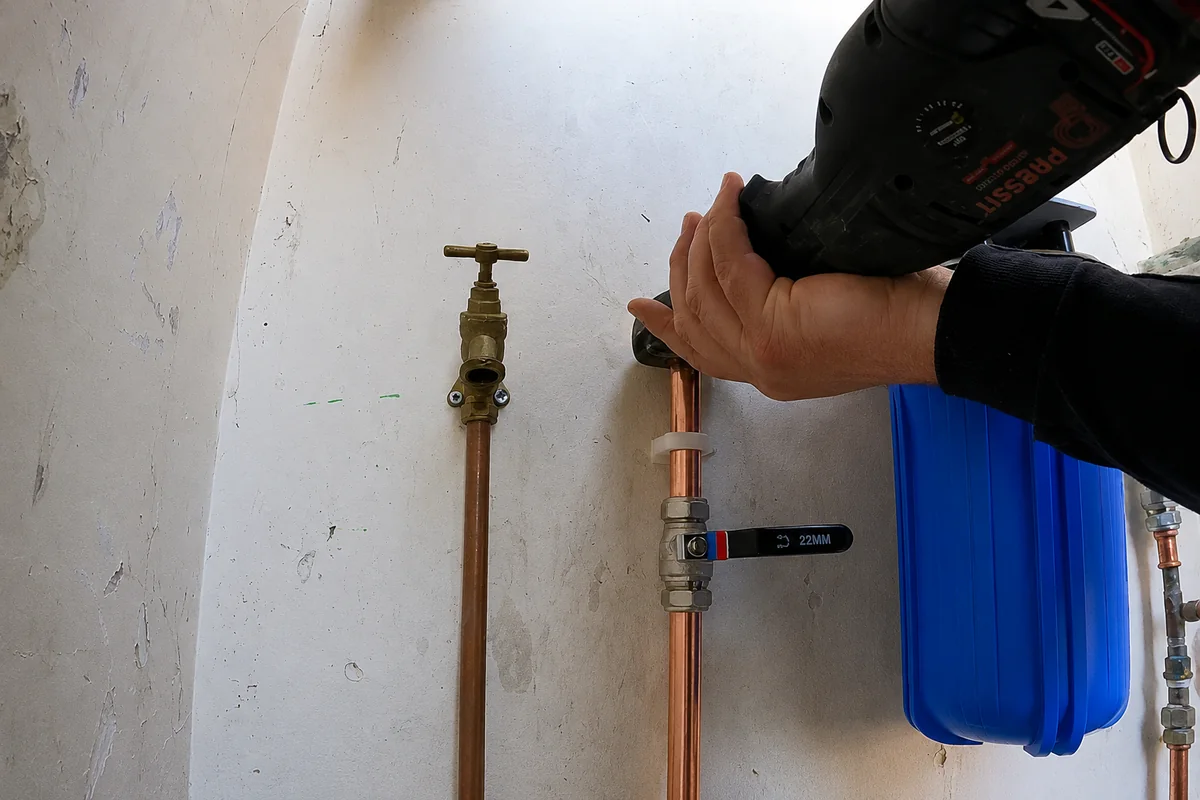
Match the Treatment to the Problem
A whole-house filter can reduce sediment, taste, odor, or disinfectant-related concerns when it is built for that specific job. It does not automatically soften hard water, and it does not replace an under-sink reverse-osmosis system when the goal is highly treated drinking water at one tap. We first identify what you want to change, confirm the water source and household flow, and then size the right filter, softener, or combination.
Filter, Softener, or Reverse Osmosis?
The words are often used interchangeably, but the equipment does different work. A filter captures or reduces the substances named in its performance claim. A softener exchanges hardness minerals to control scale. Reverse osmosis treats water at a drinking tap and reduces a broader range of dissolved substances. The best setup may be one system or a planned combination, and we explain that difference before recommending equipment.
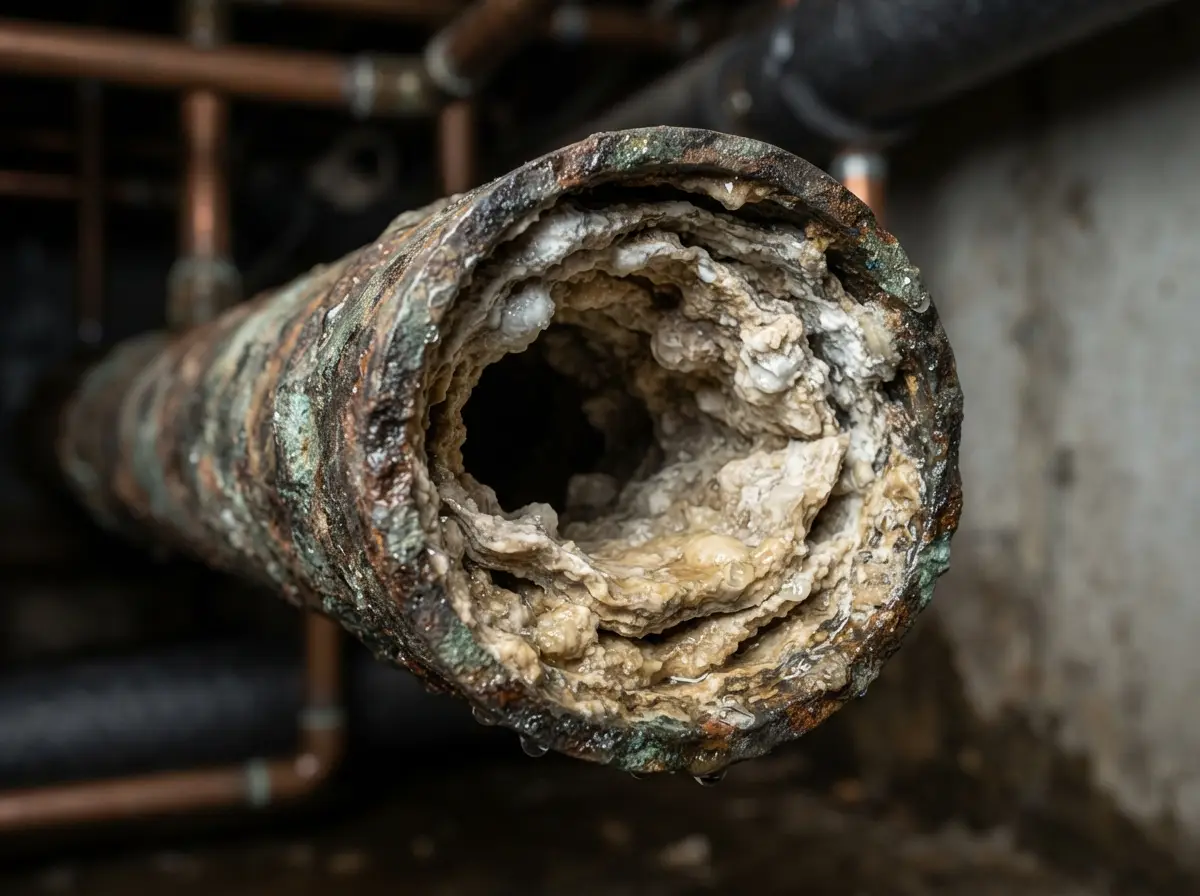
Common Reasons Ventura Homeowners Ask About Treatment
Start with the symptom or goal. That keeps the solution focused and prevents paying for treatment media that does not address the issue you actually have.
- White mineral scale on faucets, shower glass, and water-using appliances
- Dry-feeling skin, stiff laundry, and soap that does not lather easily
- Visible sand, rust-colored particles, or debris at fixtures
- Taste or odor that is noticeable at several taps
- A desire to protect a tankless water heater or other scale-sensitive equipment
- A specific contaminant concern identified by a water report or a certified laboratory test
- Cartridges that clog too quickly because the system is undersized or the wrong filter is installed first
Ventura Water reports that the municipal supply meets or exceeds applicable drinking-water standards. Home treatment is usually about a specific household preference, plumbing condition, or targeted reduction goal, not a claim that the city water is unsafe.
Ventura Water Changes by Source
Ventura relies on the Ventura River, purchased Casitas water, and local groundwater. The blend reaching a home can vary, so a system should be selected for the address rather than from a generic citywide assumption.
Ventura Water’s 2026 Consumer Confidence Report, which covers calendar-year 2025 testing, shows a wide hardness range among those sources. Ventura River water measured 437 parts per million as calcium carbonate. Casitas water measured 263 ppm. Groundwater averaged 637 ppm and ranged from 489 to 911 ppm. In grains per gallon, that is roughly 26, 15, and 37 on average, with groundwater readings reaching about 53.
That difference matters. A sediment or carbon filter may improve particulates, taste, or odor, but it does not remove the calcium and magnesium responsible for scale. If hard-water protection is the goal, a softener or another treatment specifically rated for scale control needs to be part of the conversation.
| Ventura source | 2025 hardness | Approx. grains per gallon | Typical service area |
|---|---|---|---|
| Ventura River | 437 ppm | About 26 gpg | West and Midtown Ventura |
| Casitas | 263 ppm | About 15 gpg | West and Midtown Ventura |
| Local groundwater | 637 ppm average; 489-911 ppm range | About 37 gpg average; 29-53 gpg range | East and Midtown Ventura |
The city can blend sources, and private plumbing can add its own sediment or corrosion. We confirm the service address and recommend testing when the concern cannot be identified from the public report and an on-site inspection alone.
Choose the System That Matches the Goal
No single piece of equipment does everything well. These are the three categories homeowners most often compare.
Whole-house filter
Treats water as it enters the home. Depending on the media and certification, it can reduce sediment, chlorine or chloramine-related taste and odor, and other specifically listed substances.
It must be sized for the home’s peak flow so showers and fixtures can run without an unnecessary pressure drop.
Best for whole-home taste, odor, or sediment goalsWater softener
Uses ion exchange to reduce calcium and magnesium hardness. This is the equipment that addresses scale on fixtures and inside water heaters.
It requires salt, regeneration, a drain connection, and settings matched to measured hardness and household use.
Best for hard-water scale controlUnder-sink reverse osmosis
Treats drinking and cooking water at one tap. It can reduce many dissolved substances when the model is certified for the specific reduction claim.
It does not protect every pipe or appliance in the home because it is a point-of-use system.
Best for targeted drinking-water treatmentCommon Filtration Components
The order matters. A properly planned system protects the next stage and keeps service practical.
Sediment prefilter
Captures visible particles before they reach carbon media, a softener, or fixtures. Cartridge micron rating and housing size are selected around the actual sediment load and required flow.
Look for verified particulate-reduction performanceCarbon or catalytic carbon
Used for taste, odor, chlorine, or chloramine-related goals. Chloramine reduction requires enough media and contact time, so a small generic carbon cartridge is not automatically equivalent to a properly sized catalytic-carbon system.
NSF/ANSI 42 covers specific aesthetic claimsIon-exchange softener
Reduces hardness minerals through regeneration. Sizing considers hardness, household water use, service flow, and reserve capacity rather than tank size alone.
NSF/ANSI 44 applies to residential cation-exchange softenersPoint-of-use RO or specialty media
Used when a drinking-water test or a specific reduction goal calls for it. Certification must name the substance being reduced. A broad marketing phrase like “removes contaminants” is not enough.
NSF/ANSI 53 and 58 cover specific health and RO claims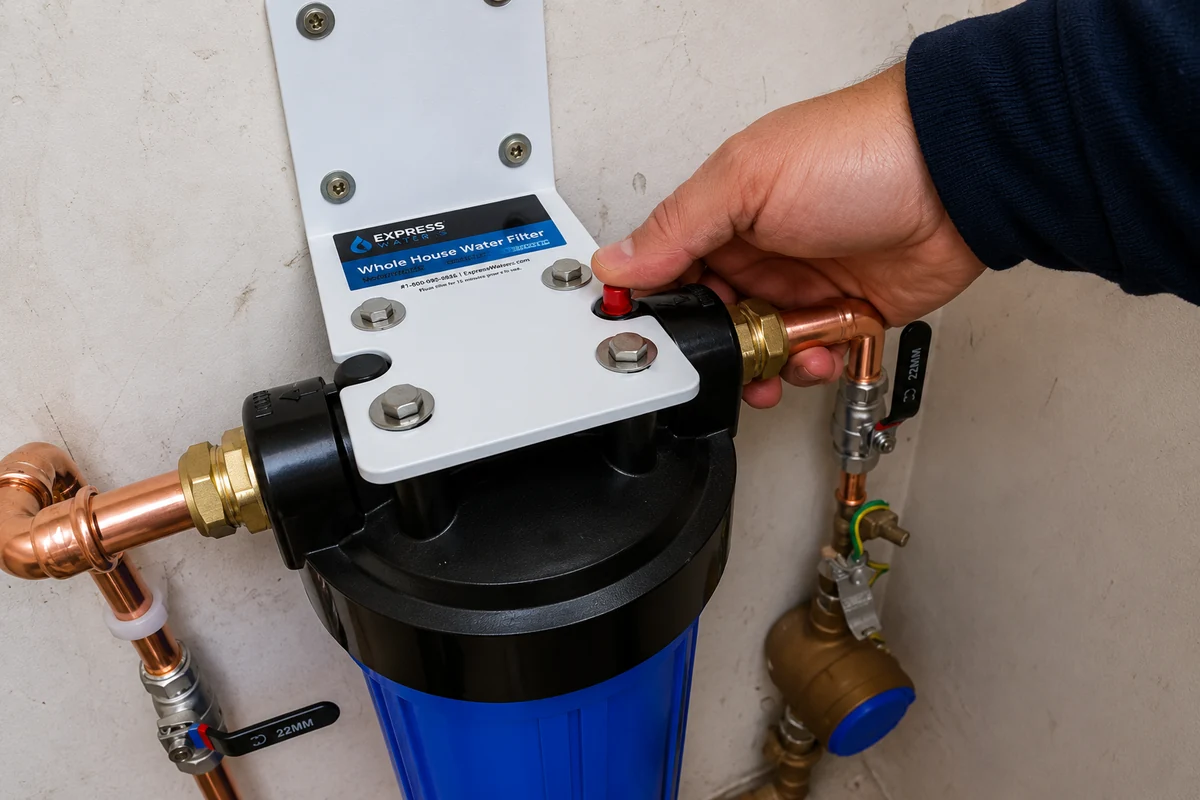
A Good Filter Should Not Starve the House for Water
Filter housings create resistance. A system that looks adequate on a product page can still cause weak showers when several fixtures run together. We size around peak service flow, pressure available at the main, the number of bathrooms, media capacity, and the pressure drop when the cartridge is partly loaded.
The installation also needs a full-flow bypass and shutoff arrangement, enough clearance to remove cartridges or service media, and protection from weather or direct sun when equipment sits outside. Backwashing filters and softeners need a suitable drain and, in many cases, electrical power.
Our Water Filtration Process
The equipment comes after the diagnosis, not before it.
Call
Tell us what you notice, where it occurs, and what you want the water to do differently.
Inspect
We check the main line, pressure, pipe size, available space, and existing treatment.
Confirm the water
We review the service source and recommend testing when a specific concern requires it.
Compare options
We explain filtration, softening, and point-of-use choices without calling one system universal.
Written estimate
You receive the equipment, plumbing scope, maintenance needs, and price before work begins.
Install and verify
We install the bypass and treatment, flush the system, check for leaks, and verify normal flow.
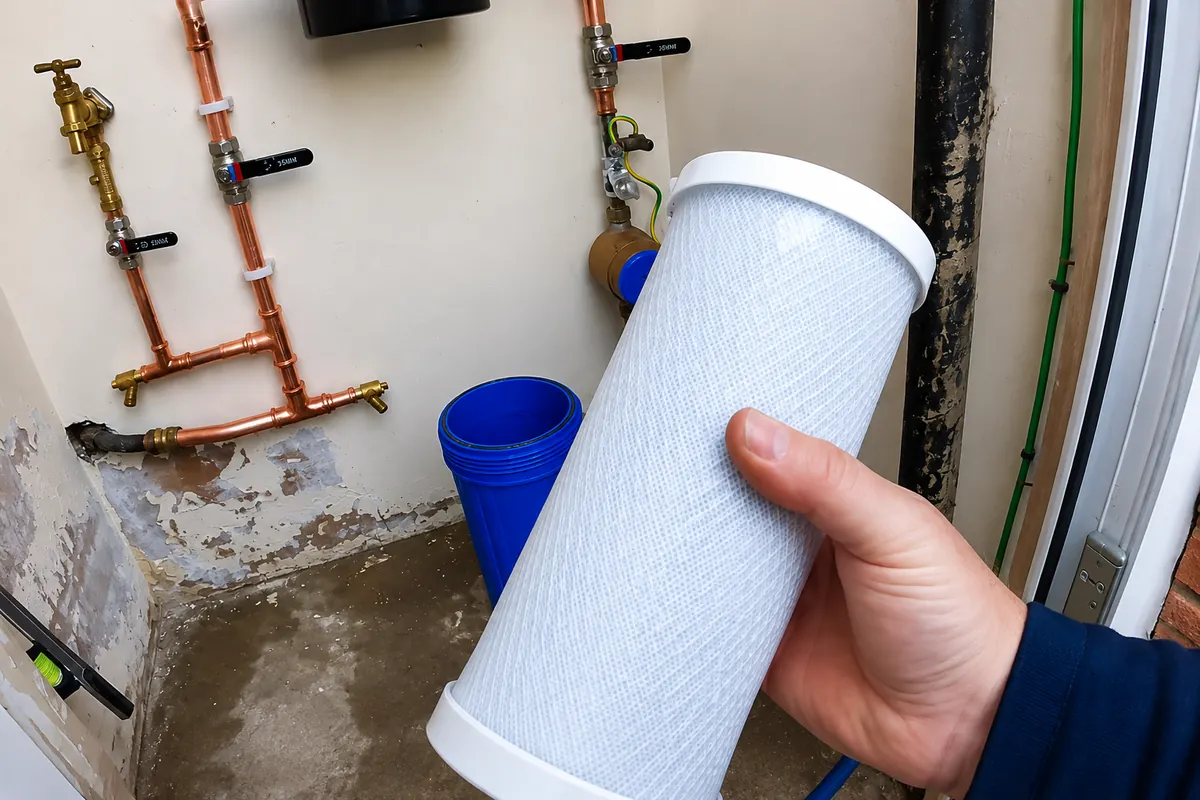
The Filter Only Works When It Is Serviced
Cartridge life is not a calendar promise. It changes with water use, sediment load, filter size, and the condition of the incoming water. A cartridge that darkens quickly may be doing its job, but rapid pressure loss can also mean the housing is undersized or that a coarser prefilter should be installed first.
Carbon media and specialty filters also have a capacity limit. Once that capacity is used, water can continue flowing even though the intended reduction is no longer reliable. We record the installed media, model, service interval, and replacement procedure so the maintenance plan is clear.
- Watch for a noticeable pressure drop at several fixtures
- Follow the manufacturer’s capacity and service limits
- Replace cartridges with the specified size and rating
- Service softener salt and regeneration settings separately
- Re-test when treatment is intended for a specific contaminant
What Affects Whole-House Filtration Cost
We do not publish a one-price-fits-all number because equipment and installation needs vary by home. These are the factors that move the estimate.
Every recommendation includes a written estimate before work starts. Free estimates are available, and we explain ongoing maintenance costs along with the installation so the first price is not the only number you see.
Why Ventura Homeowners Call Sespe Plumbing Pros
Sespe Plumbing started in Fillmore and has served Ventura County since 1992. We are independently and locally owned, provide written estimates before work begins, and explain what each treatment stage can and cannot do before you approve the installation.
Not Sure Which System You Need?
Start with the water problem, the service address, and the household flow. We will explain whether the right answer is filtration, softening, point-of-use treatment, or no new equipment at all.
Whole-House Water Filtration FAQs
Do I need a filter if Ventura’s municipal water meets standards?
Does a whole-house water filter soften hard water?
What filter works for chloramine?
Will a whole-house filter reduce water pressure?
How often do filter cartridges need replacement?
Should I test my water before choosing a system?
Is reverse osmosis better than whole-house filtration?
Can filtration protect my water heater and plumbing?
Whole-House Water Treatment Across Ventura County
Sespe Plumbing Pros installs and services whole-house water filtration in Ventura and surrounding communities including Fillmore, Santa Paula, Oxnard, Camarillo, Moorpark, and Ojai. Water source, hardness, available space, and plumbing layout differ by address, so we confirm the system at the home rather than assuming every part of the county needs the same setup.
Get a Filtration Plan That Fits Your Water
Tell us what you want to change, and we will inspect the plumbing, confirm the water source, and give you a written recommendation before you buy equipment. Call 805-285-4021 for a free estimate.