
Slab Leak Repair in Ventura, CA — Located Before We Ever Cut Concrete
A warm patch on the floor. Running water you can hear but not find. A water bill that jumped with nothing in the house changed. Those three together usually mean a pressurized water line has failed under the concrete your house sits on. Sespe Plumbing Pros locates and repairs slab leaks across Ventura, and has been working on local plumbing since 1992.
Free estimates. 24-hour availability. Call 805-285-4021.
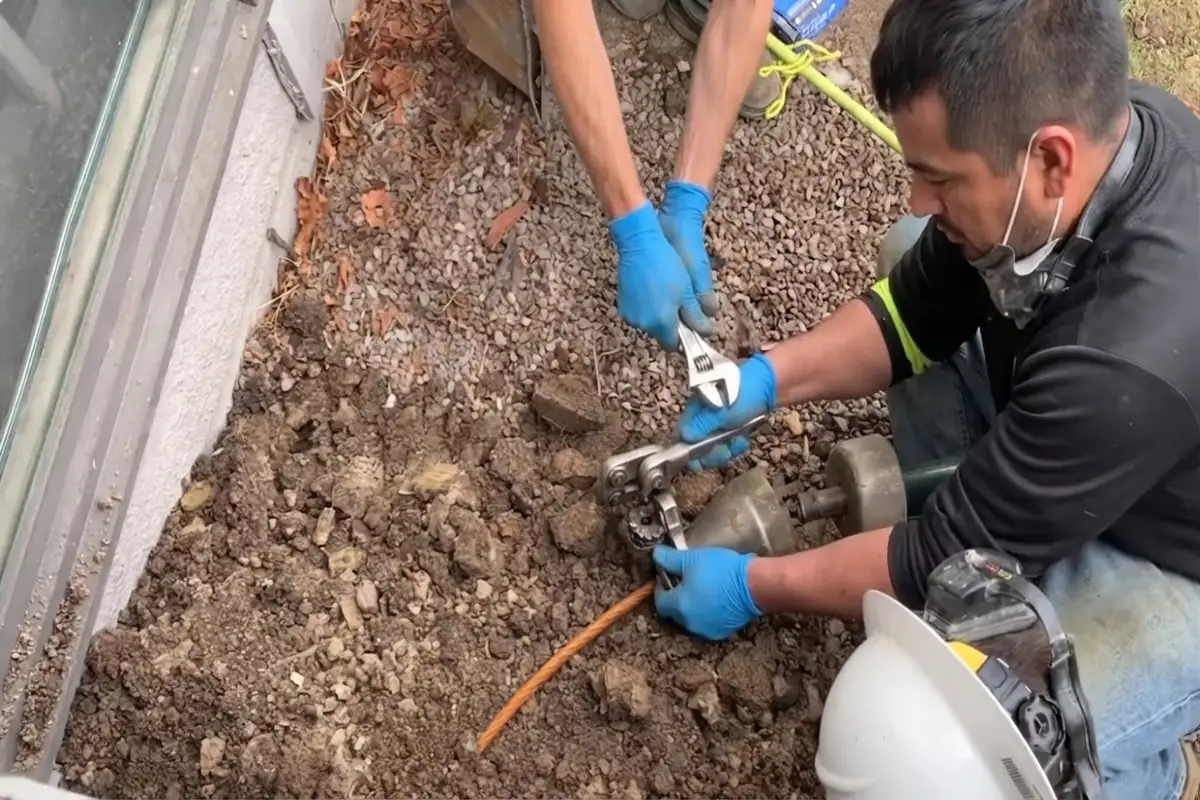
Slab Leak Repair in Ventura
A slab leak is a break in a pressurized water line running beneath or within a home’s concrete foundation. Signs include warm floor spots, the sound of running water when nothing is on, a water meter that moves with every fixture off, an unexplained bill increase, damp flooring, and dropping water pressure. Detection comes before any concrete is opened, because the wet spot is often not above the break. Call 805-285-4021.
Trusted by Ventura County homeowners since 1992.
Confirm It Is Actually a Slab Leak First
Several other problems produce the same symptoms, and the wrong assumption gets expensive fast. Before anyone cuts concrete, these need ruling out.
A water heater leaking at the base. Water spreads along the floor and surfaces feet away, which reads exactly like a slab leak. Check the unit itself first. Our water heater repair page covers how to tell where it is originating.
A supply line inside a wall. Water runs down framing and emerges at the floor line. Staining above the wet area, soft drywall, or a damp baseboard on one wall points here.
Irrigation or an exterior line. Wet ground outside the foundation, a soggy area of yard, or moisture only along one exterior wall.
A drain or sewer line under the slab. Usually carries an odor, and behaves differently, since it is not pressurized and only leaks when something drains.
Condensation or a roof or window issue. More common than people expect, especially where the moisture is seasonal.
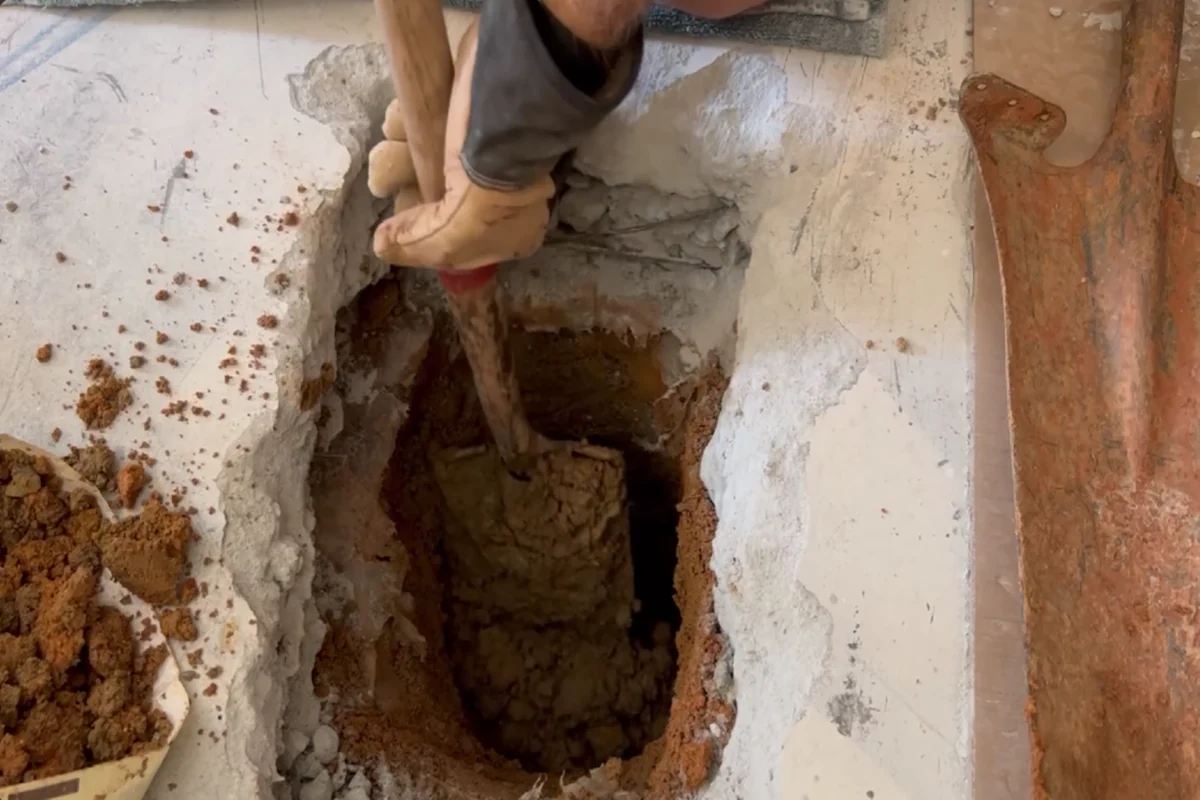
The test that separates most of these takes a minute. Turn off every fixture and appliance that uses water, including ice makers and irrigation, then look at the water meter. If the low-flow indicator is still turning, water is escaping from a pressurized line somewhere. That does not by itself prove the break is under the slab, but it rules out a great deal, and it is the single most useful thing you can tell us on the phone.
Signs of a Slab Leak
Hot water line failures announce themselves earlier because of the warm floor. Cold line failures often run undetected far longer, which is why the meter test matters more than waiting for something obvious.
Why Slab Leaks Happen Here
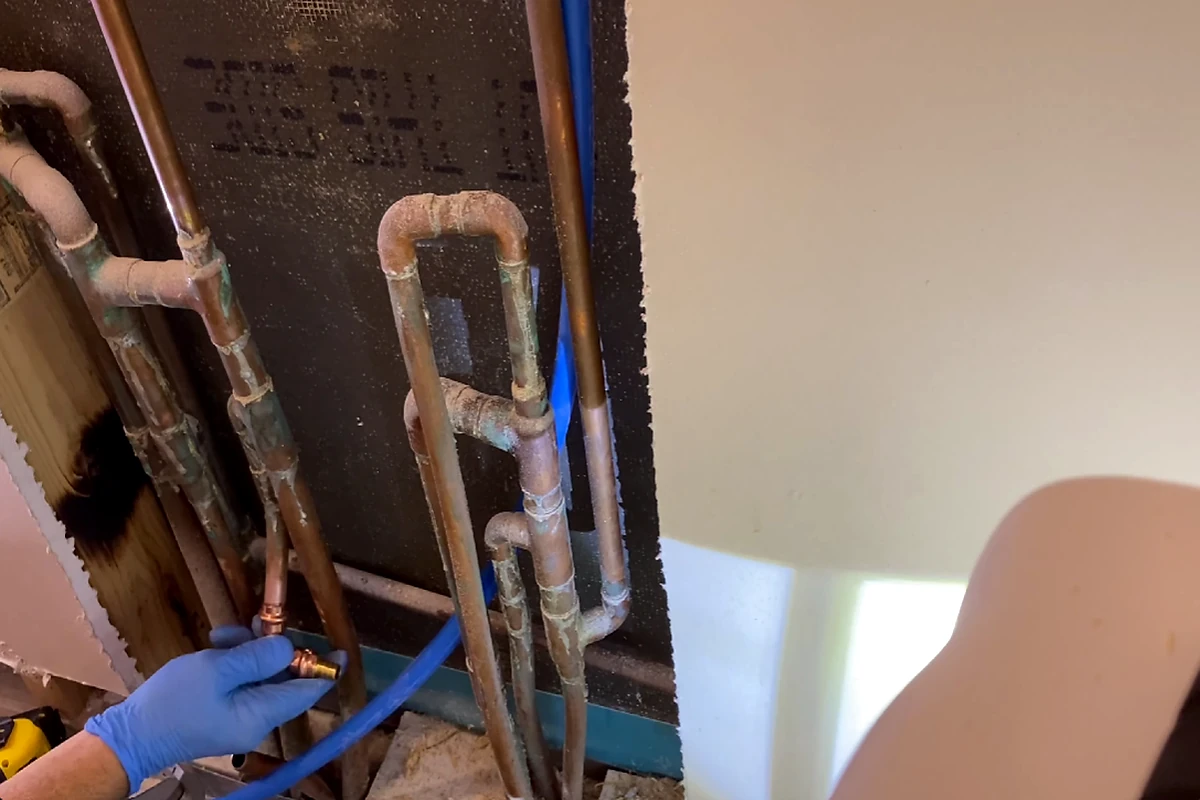
Pipe material and age. Older homes in this area commonly have copper supply lines run under or through the slab, and some have galvanized. Both degrade over decades under constant pressure.
Abrasion. A line embedded in or under concrete sits against gravel, sand, or the slab itself. Water moving through it makes it flex slightly with every pressure cycle, and over many years that contact wears the wall thin from the outside until it opens as a pinhole.
Water chemistry. Ventura Water’s 2024 water quality report gives hardness by source. Lake Casitas water runs about 263 ppm, roughly 15 grains per gallon. Ventura River water averages about 445 ppm, roughly 26 grains. Local groundwater averages about 637 ppm, roughly 37 grains, with individual readings as high as 911 ppm, or 53 grains. The USGS classifies anything above 180 ppm as very hard. Mineral content works on the inside of a line the way abrasion works on the outside.
Pressure. Supply pressure above the normal range stresses every joint and thin spot in the system continuously. It is one of the few contributing factors a homeowner can actually correct, with a pressure regulator, and it is worth checking whether or not you currently have a leak.
Ground movement. Soil moisture changes and seismic activity can stress lines under a slab. We describe this in general terms deliberately, because we have not sourced a Ventura-specific soil study and would rather hedge than assert something we cannot support.
How We Locate a Slab Leak Without Guessing
Water under concrete travels along the path of least resistance. The damp spot you can see is frequently several feet from the break, and sometimes in a different room. Opening concrete at the visible symptom is how people end up with two holes in their floor and one unrepaired leak.
Meter and pressure testing. We confirm loss is occurring and, by isolating sections, narrow which part of the system is losing it. This also separates hot from cold, which halves the search area immediately.
Acoustic listening. Pressurized water escaping a pipe makes a distinctive sound that carries through concrete. Ground microphones and amplification pick up frequencies you cannot hear standing in the room, and moving systematically across the floor localizes the loudest point.
Thermal imaging. On a hot water line, heated water migrating through the slab shows as a temperature gradient at the surface. This is fast and non-invasive, and it is why hot line leaks are usually located more quickly than cold ones.
Pipe locating and moisture mapping. Tracing where the lines actually run, rather than where the plans say they do, and reading moisture patterns across flooring, baseboards, and the foundation perimeter.
No concrete is opened until we have a location we are confident in, and we will tell you how confident we are rather than overstating it.
Your Repair Options, and How We Choose
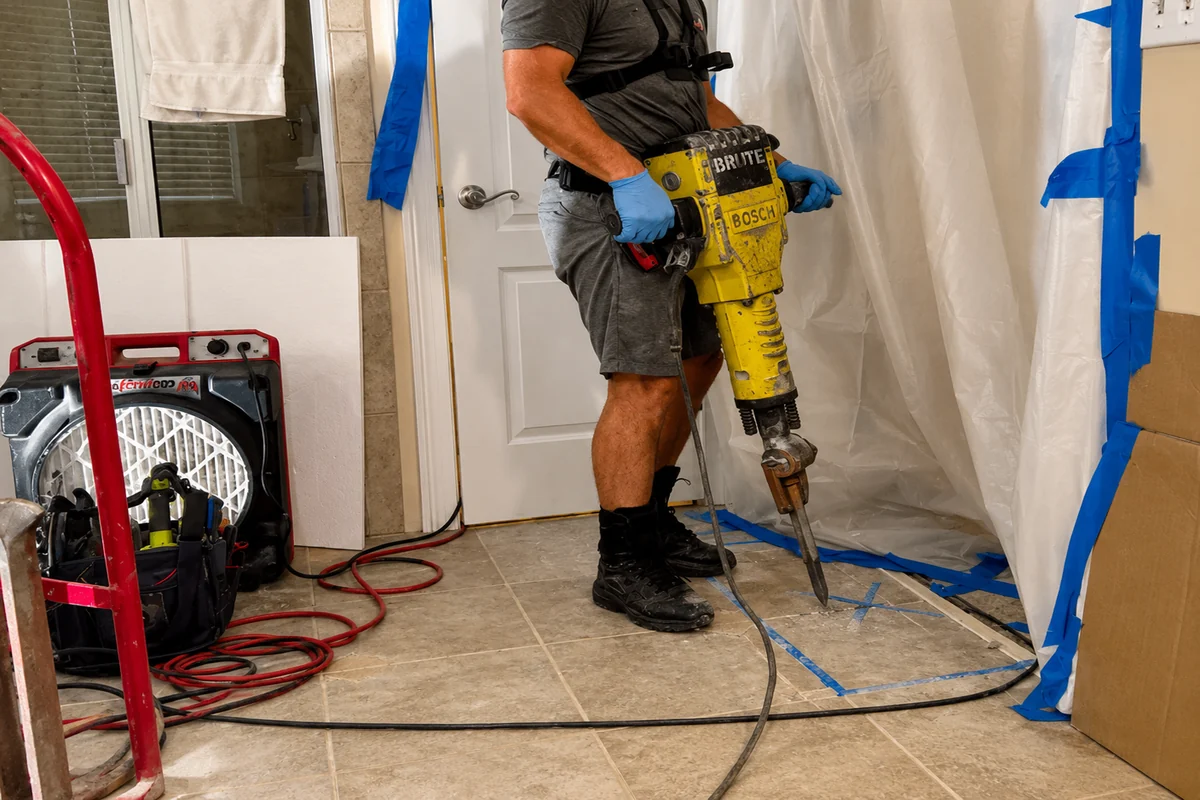
One Leak or Two? That Changes the Answer
This is the decision people find hardest, and it is worth stating plainly.
A first slab leak is often just a first slab leak. A spot repair or a single reroute is usually a reasonable response, and recommending a whole-home repipe off one failure would be overselling.
A second slab leak in the same home, particularly within a few years and on the same pipe material and vintage, is different information. It suggests the failure is systemic, not incidental. At that point repeated spot repairs tend to cost more over time than addressing the system, and each one comes with the disruption of opening a floor again.
What we will do is tell you which of those two situations you appear to be in, and what we saw in the pipe we pulled out, because the condition of the removed section is real evidence about the rest. What we will not do is quote a repipe on a first leak because it is the larger job.
Why Ventura Homeowners Call Sespe Plumbing Pros
A BuildZoom score of 95 puts Sespe Plumbing Pros in the top 22 percent of California contractors on the platform, the kind of standing that comes from decades of steady, local work since 1992.
What Affects Slab Leak Repair Cost
Detection time and difficulty, where the break sits and how accessible it is, what the flooring above is, pipe material, whether the fix is a spot repair, a reroute, or a repipe, how much water damage has already occurred, and whether the call is after hours. Estimates are free and given in writing before work begins. Detection and repair are separate stages, and we tell you what we found before you commit to the repair.
If You Suspect One Right Now
Run the meter test with everything off, and note whether the indicator moves.
If water is spreading and you can safely reach the main shutoff, close it. That stops the damage while you decide.
Move belongings off wet flooring.
Photograph the damage and the moisture before anything is touched. If you file a claim later, this matters.
Do not open flooring or break concrete yourself.
Call 805-285-4021.
Frequently Asked Questions
How do I know if I have a slab leak?
Is a slab leak an emergency?
How long can a slab leak go undetected?
Can you find a slab leak without breaking concrete?
Does homeowners insurance cover slab leak repair?
What happens if I ignore a slab leak?
Is rerouting better than opening the slab?
I have had two slab leaks in a few years. What should I do?
How long does slab leak repair take?
Warm Floor Spot? Run the Meter Test
Run the meter test, then call 805-285-4021 and tell us what it showed. Free estimate, and detection before anything gets opened.