Process and Facility Plumbing Since 1992
Industrial Plumbing in Ventura, CA for Demanding Facilities
Industrial plumbing is not a bigger version of a restaurant or office job. It involves process piping, higher-hazard backflow protection, and wastewater rules that a standard commercial plumber rarely deals with. Sespe Plumbing Pros has handled industrial and heavy commercial plumbing work across Ventura County since 1992. We give you a written estimate before any work starts, with free estimates and 24-hour emergency availability. Call 805-285-4021 to talk through your facility’s plumbing needs.
Quick Answer
What Industrial Plumbing Covers
Industrial plumbing covers plumbing work at manufacturing, processing, and production facilities, including process piping, compressed air lines, chemical-resistant drainage, higher-hazard backflow prevention, and industrial wastewater discharge compliance, work that goes beyond what a standard commercial plumbing visit involves. In Ventura County, this includes agricultural and food processing facilities such as citrus and avocado packing operations. Call 805-285-4021 for a free estimate on your facility.
A Separate Tier of Work
What Makes Industrial Plumbing Different From Commercial Plumbing
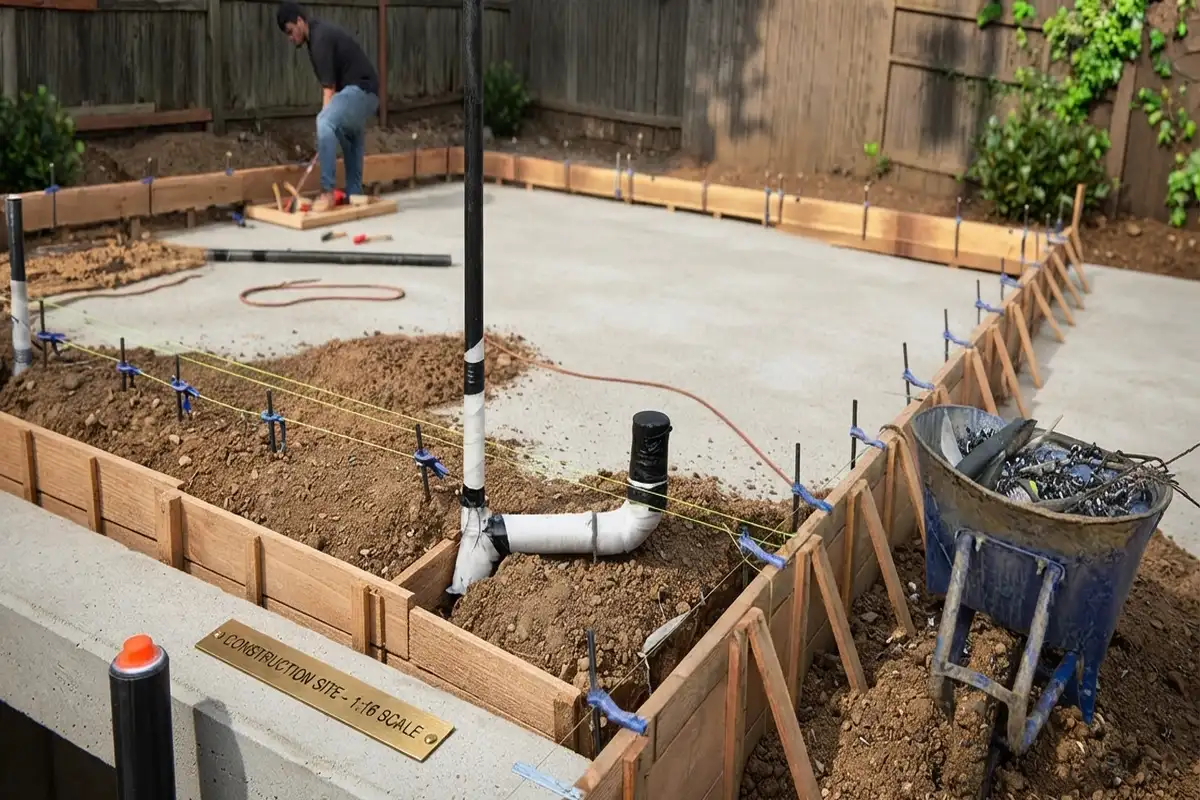
Our Commercial Plumbing page covers restaurants, retail spaces, offices, and multi-tenant buildings, along with standard backflow testing, grease interceptors, and ADA restroom requirements. Industrial plumbing is a different tier of work. It generally involves higher water volumes, process fluids beyond ordinary sanitary waste, larger and more specialized piping systems, and a regulatory environment that treats a facility as an industrial discharger rather than a standard commercial customer. A packing house, a processing plant, or a manufacturing facility does not fit the same fixture-count-and-backflow-test model as a retail storefront, and treating it that way misses real code and permitting obligations.
Under the California Building Code, industrial and factory-type occupancies are classified separately from business and mercantile occupancies, with their own occupant load basis feeding into fixture-count requirements. In practice, that means the plumbing math for a processing facility does not start from the same table as an office building, even before you get into the process piping itself.
A Local Industrial Niche
Agricultural and Food Processing Plumbing in Ventura County
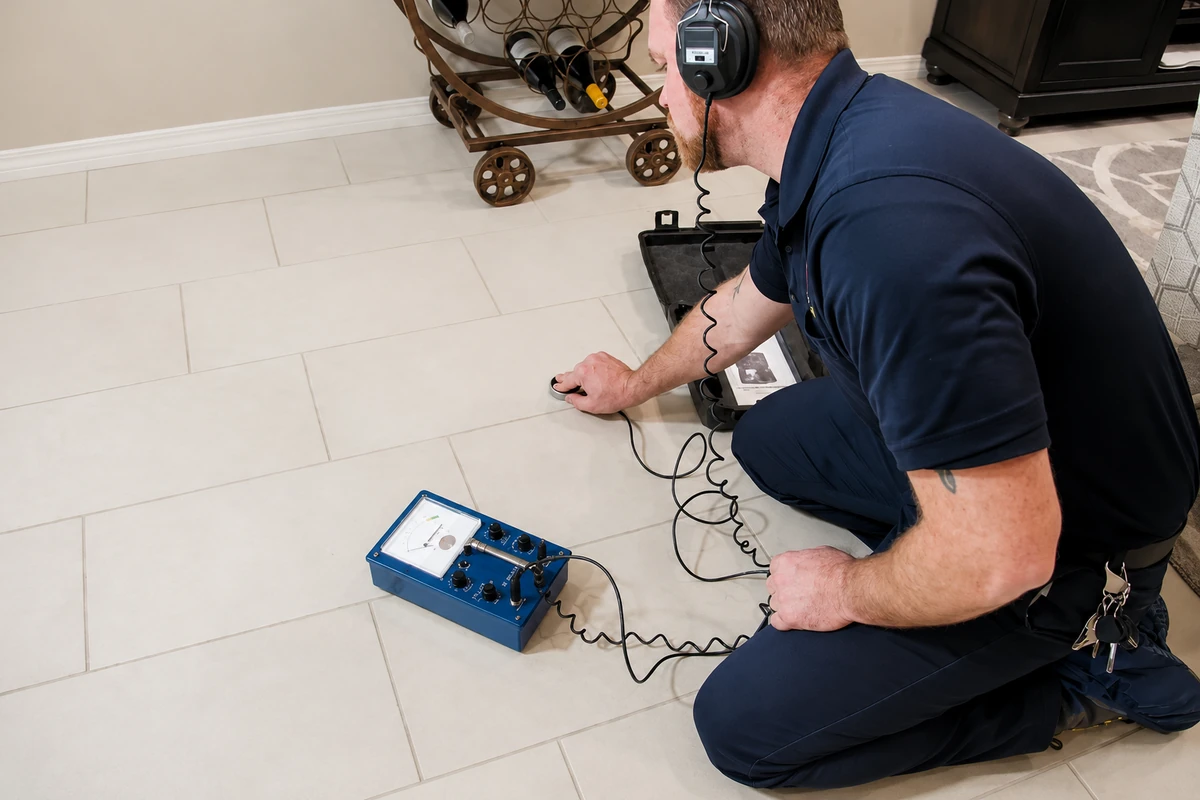
Fillmore and the surrounding Santa Clara River Valley have a real citrus and avocado packing industry, and it is one of the more overlooked corners of industrial plumbing locally. Fruit washing, packing line water use, and cold storage all involve plumbing considerations that a generic industrial plumbing page written for a national audience does not address. The City of Fillmore’s own wastewater treatment plant documentation specifically names fruit washing as a wastewater category the plant treats alongside municipal and commercial flows, which reflects how directly tied this industry is to the area’s plumbing and wastewater infrastructure. If your facility handles produce washing, packing line drainage, or cold storage condensate, that is exactly the kind of work we understand from operating in this market since 1992, not a generic industrial category we are guessing at.
Beyond Potable Water and Sanitary Waste
Process Piping and Specialty Systems
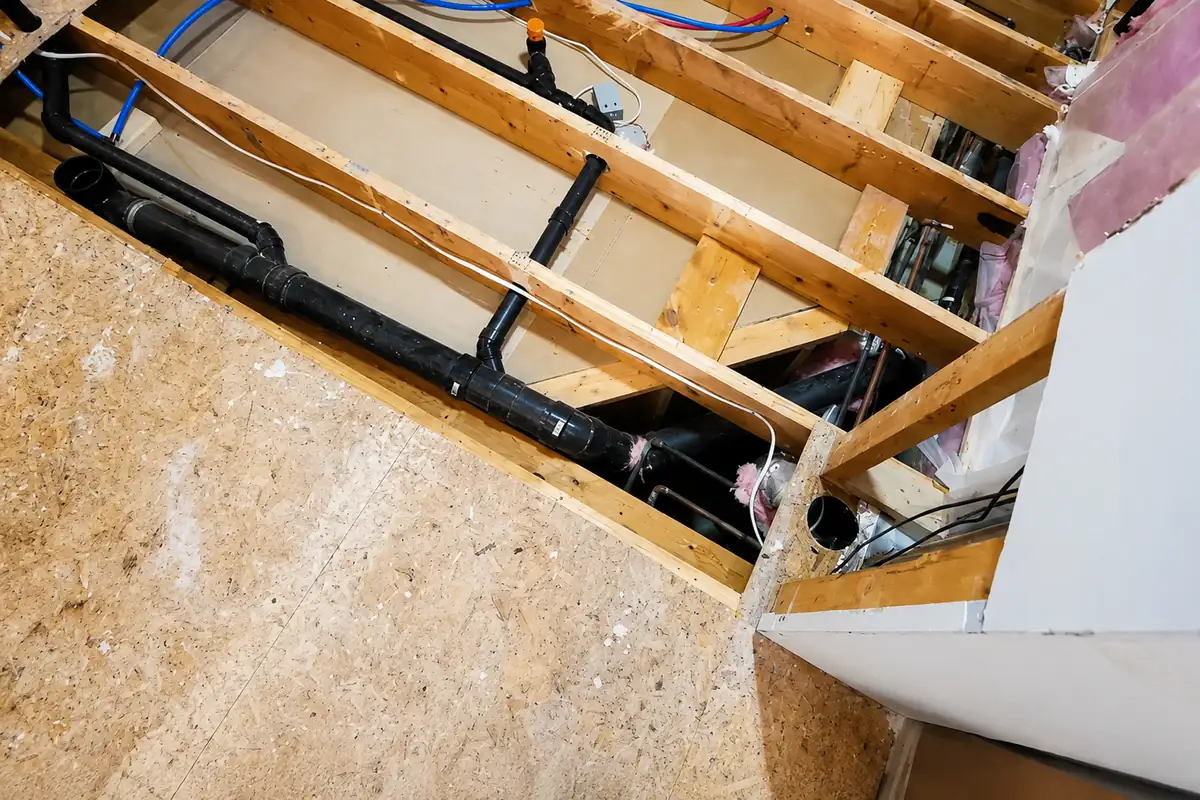
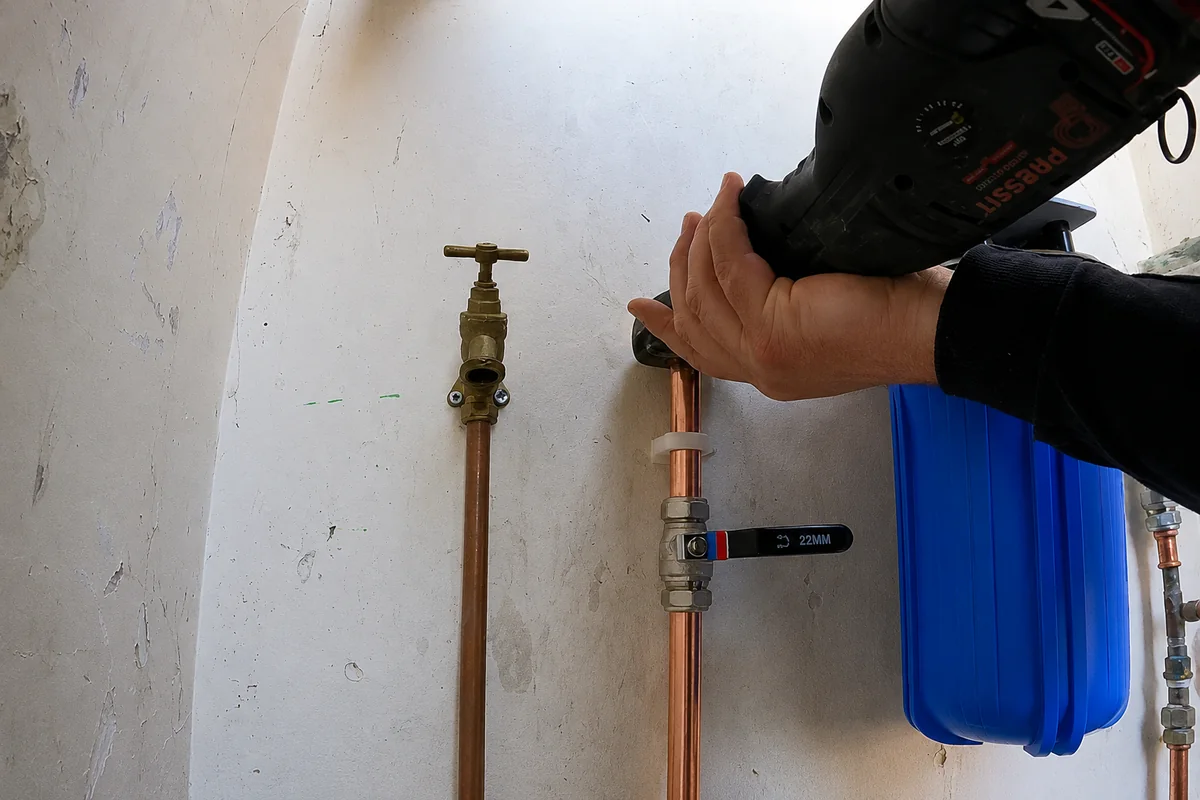
Process piping is the piping that moves something other than ordinary potable water or sanitary waste, compressed air, chemical process fluids, deionized or reverse-osmosis water, or specialty waste streams. The California Mechanical Code addresses process piping as its own chapter, separate from the fuel gas piping chapter that covers a standard commercial gas line, which reflects how differently these systems are designed, sized, and installed. We install and repair process piping systems, including corrosion-resistant and chemical-resistant piping for facilities handling process chemicals or acidic waste, and industrial waste interceptors distinct from a standard restaurant grease interceptor. If your facility runs compressed air distribution, we design and install that piping to handle the pressure, volume, and layout your equipment actually needs, not a generic commercial pipe run.
Title 24 System Planning
Compressed Air Systems and Efficiency Requirements
Larger compressed air installations are not just a plumbing and mechanical question anymore. California’s energy code sets mandatory efficiency requirements for new compressed air systems with a combined compressor horsepower of 25 or more, covering things like control and monitoring requirements and low-friction-loss piping design over longer runs. If you are installing or expanding a compressed air system at that scale, we design the piping layout with these efficiency requirements in mind from the start, rather than building something that fails an energy compliance review after the fact.
A Separate Discharge Track
Industrial Wastewater Discharge Requirements
Facilities that discharge process wastewater, not just ordinary sanitary waste, into the sewer system can fall under industrial pretreatment requirements that a standard commercial account never triggers. In the City of Ventura, this is administered through Ventura Water’s Industrial Pretreatment Program, which requires a Non-Domestic Wastewater Discharge Permit for facilities subject to federal categorical pretreatment standards or discharging an average of 25,000 gallons per day or more of process wastewater, with a General Wastewater Discharge Permit available for facilities the City designates as impacting the sewer system without meeting that federal threshold. This is a genuinely separate track from the backflow testing and FOG compliance that applies to a standard restaurant or office building.
This program is specific to the City of Ventura’s own sewer system. Fillmore operates its own wastewater treatment plant under a separate permit, and facilities outside Ventura’s service area should not assume the same permit tiers or thresholds apply. If you are unsure which wastewater system your facility discharges into and what that means for permitting, we can help you figure out where your facility stands before assuming either way.
Protection Based on Actual Hazard
Backflow Prevention at a Higher Hazard Level
Backflow prevention requirements at industrial facilities are often stricter than what a standard commercial building needs, but the classification is based on the actual hazard the facility presents, not just the fact that it is labeled industrial. California’s statewide cross-connection control standards require reduced pressure principle assemblies, a higher level of protection than a standard double check assembly, for high-hazard connections, and facility types like chemical plants, laboratories, metal-plating operations, and industrial or commercial laundries are commonly cited as examples of high-hazard premises. Ventura Water and Ventura County both enforce these standards and inspect industrial buildings as part of their backflow programs. We evaluate what your specific facility’s processes and piping actually require rather than assuming every industrial account needs the same assembly.
Cal/OSHA Planning
Confined Space and Safety Considerations
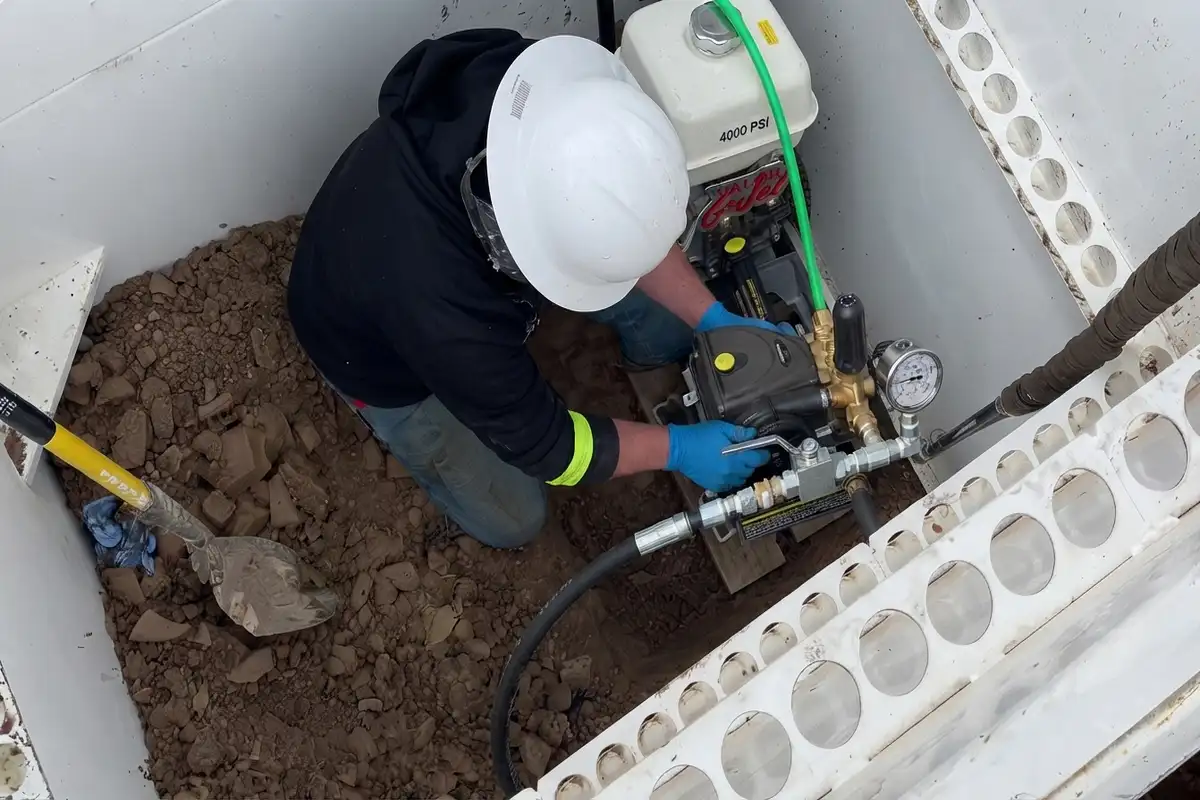
Industrial plumbing work sometimes involves tanks, vessels, or other confined spaces that fall under Cal/OSHA’s permit-required confined space standard. Storage tanks and wastewater treatment tanks are commonly cited examples of the kind of confined space this standard covers. When a job involves entering or working around this kind of space, we plan for the safety and permitting requirements that come with it as part of the job, not as an afterthought once we are already on site.
Protect Production Windows
Working Around Production and Harvest Schedules
A retail store or office worries about inconveniencing customers or tenants during plumbing work. An industrial facility worries about a production line going down or a packing operation losing time during a harvest window when the product will not wait. We schedule industrial plumbing work around your actual production or packing schedule, including seasonal harvest timing for agricultural processing operations, rather than treating every job like a standard nine-to-five commercial visit. Tell us your operational constraints during the estimate, and we will build the work around them.
Warning Signs in Changing Facilities
Common Industrial Plumbing Issues We Address
Corrosion from process chemicals or acidic waste attacking piping that was not specified for the fluids actually running through it.
Undersized drain and vent lines added to piecemeal over years of equipment changes, rather than sized for the facility’s current total load.
Floor drains and trench drains that cannot keep up with wash-down volume during production or packing operations.
Aging backflow assemblies that were installed for a facility’s original use and never re-evaluated as processes changed.
Compressed air leaks and pressure loss from piping that was extended informally as equipment was added over time.
Cross-connection risk introduced by auxiliary water supplies, chemical feed systems, or non-potable process water added after the original plumbing was installed.
Most of these show up gradually rather than as a single failure, which is why a facility that has grown or changed its processes over the years is worth having evaluated even without an active problem.
Maintenance, Engineering, and Compliance
Coordinating With Your Facility Team
Industrial plumbing work rarely happens in isolation from the rest of your operation. We coordinate directly with your facility manager, maintenance staff, or environmental compliance contact to plan work around inspections, equipment changes, or shift schedules, and to make sure anyone on your team who needs to sign off on a permit or a discharge-related change is looped in before work starts, not after. If your facility already has an environmental compliance consultant or engineer of record for wastewater or process systems, we work alongside them rather than around them.
Facility-Specific Scope
What Affects Industrial Plumbing Cost
Industrial plumbing costs depend on several factors specific to your facility:
The type of process piping involved and the materials required for chemical or corrosion resistance.
Whether your facility triggers industrial wastewater discharge permitting.
The hazard classification driving your backflow prevention requirements.
The size and complexity of compressed air or other process gas piping systems.
Whether confined space entry is required for any part of the work.
How tightly the work needs to schedule around your production or processing operations.
We provide a written estimate before any work begins, and free estimates on every job.
Decades of Local Facility Work
Why Ventura County Industrial Facilities Call Sespe Plumbing Pros
A BuildZoom score of 95 puts Sespe Plumbing Pros in the top 22 percent of California contractors on the platform, the kind of standing that comes from decades of steady, local work since 1992.
We give you a written estimate before work starts, with no surprise charges added afterward. We hold a 4.5-star Google rating from 8 reviews, a BBB A+ rating, and 30 Nextdoor Faves. We offer free estimates and 24-hour emergency availability across Ventura County.
From Process Review to Final Walkthrough
Our Industrial Plumbing Process
Call 805-285-4021 to describe your facility and the plumbing work involved.
We schedule a site evaluation to understand your processes, piping, and any permitting or discharge considerations.
We flag any wastewater discharge, backflow hazard classification, or confined space requirements specific to your facility.
You receive a written estimate before any work begins.
We build a work schedule around your production or processing operations.
We complete the installation or repair and coordinate any required inspections.
We walk you through the finished work and confirm everything is functioning correctly.
Facility Planning Questions
Industrial Plumbing FAQs
What is the difference between industrial and commercial plumbing?
Commercial plumbing covers restaurants, offices, retail, and multi-tenant buildings with standard backflow testing, grease interceptors, and fixture requirements. Industrial plumbing covers manufacturing, processing, and production facilities, involving process piping, higher-hazard backflow protection, and industrial wastewater discharge requirements that standard commercial accounts do not trigger.
Do you work with agricultural or food processing facilities?
Yes. Fruit washing, packing line water use, and cold storage plumbing are real parts of the industrial plumbing landscape in Fillmore and the surrounding valley, and we understand this work from operating in this market since 1992.
Does my facility need an industrial wastewater discharge permit?
It depends on your facility’s processes and discharge volume, and which sewer system you discharge into. The City of Ventura requires a permit for facilities meeting certain federal categorical standards or discharging 25,000 gallons per day or more of process wastewater. Fillmore operates its own separate wastewater system. We can help you determine where your facility stands.
Do industrial facilities need a different type of backflow prevention device?
Often yes. High-hazard facilities, such as chemical plants, laboratories, or metal-plating operations, typically require a reduced pressure principle assembly rather than a standard double check assembly. The specific requirement depends on your facility’s actual hazard classification, which we evaluate rather than assume.
Can you install compressed air piping systems?
Yes. We design and install compressed air distribution piping sized for your equipment, and for larger systems we account for California’s mandatory efficiency requirements that apply to compressed air systems above a certain combined horsepower.
Do you handle confined space work like tanks or vessels?
When a job involves entering or working around a tank, vessel, or similar confined space, we plan for the applicable Cal/OSHA safety and permitting requirements as part of the job.
Can you schedule work around our production or harvest schedule?
Yes. We build industrial plumbing work around your actual operational schedule, including seasonal harvest timing for agricultural processing facilities, rather than treating every job like a standard commercial visit.
Ventura County Facilities
Where We Work
We handle industrial plumbing throughout Ventura County, including Fillmore’s agricultural processing facilities, and the surrounding communities we have served since 1992. For general business plumbing needs like restaurants, offices, and retail spaces, see Commercial Plumbing. For large-scale piping replacement, see Repiping. For a full list of what we do, visit our services page, or return to our Ventura plumbing homepage.
Plan the System Around Your Process
Talk Through Your Facility’s Industrial Plumbing Needs
If your facility needs process piping, industrial backflow protection, or help understanding your wastewater discharge obligations, call 805-285-4021 for a free estimate.