
Repiping in Ventura, CA for Reliable Water Flow
When the water in your Ventura home keeps coming out rusty, brown, or barely trickling, and it is not just one fixture, the pipes themselves may be the problem, not any single leak. Sespe Plumbing Pros has been repiping homes across Ventura County since 1992, replacing worn galvanized and copper systems with modern PEX and copper. We give you a written estimate before any work starts, and we offer free estimates and 24-hour emergency availability. Call 805-285-4021 to talk through your options.
When Repiping Makes Sense
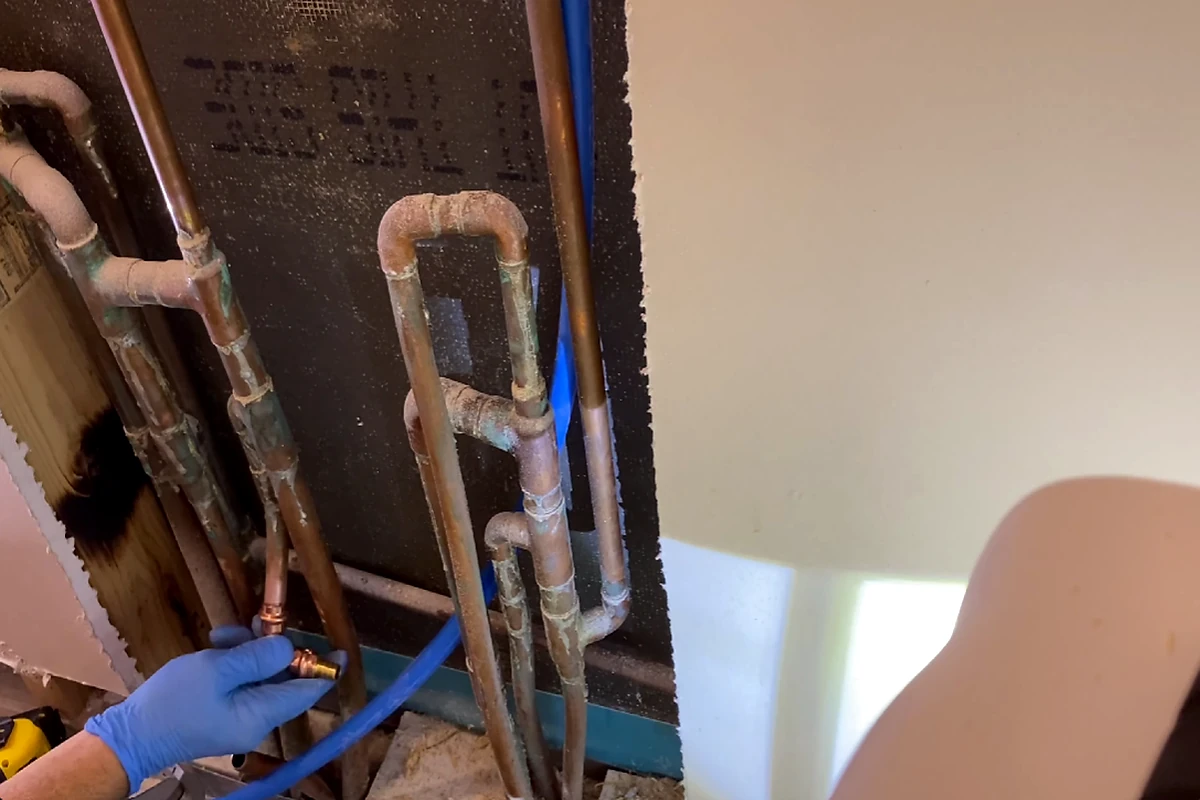
Repiping replaces a home’s entire water supply system, or a defined section of it, rather than repairing individual leaks as they happen. Ventura homeowners usually consider it when a pipe has failed more than once, when galvanized or polybutylene pipe is original to the house, or when water pressure and clarity have declined across multiple fixtures. Most whole-house repipes in Ventura take 2 to 4 days and require a city permit and inspection.
Already Decided to Repair Instead of Repipe?
If you are still weighing whether to repair a leak or replace the whole system, this is not the page to make that call on its own. We walk through that decision in detail on our Water Leak Detection and Slab Leak Repair pages, and for a single above-slab break, on our Broken Pipe Repair page. This page picks up once repiping is the plan. If you landed here because a plumber already told you your home needs it, or because you have had the same kind of failure more than once, keep reading.
Signs Your Home May Need a Repipe
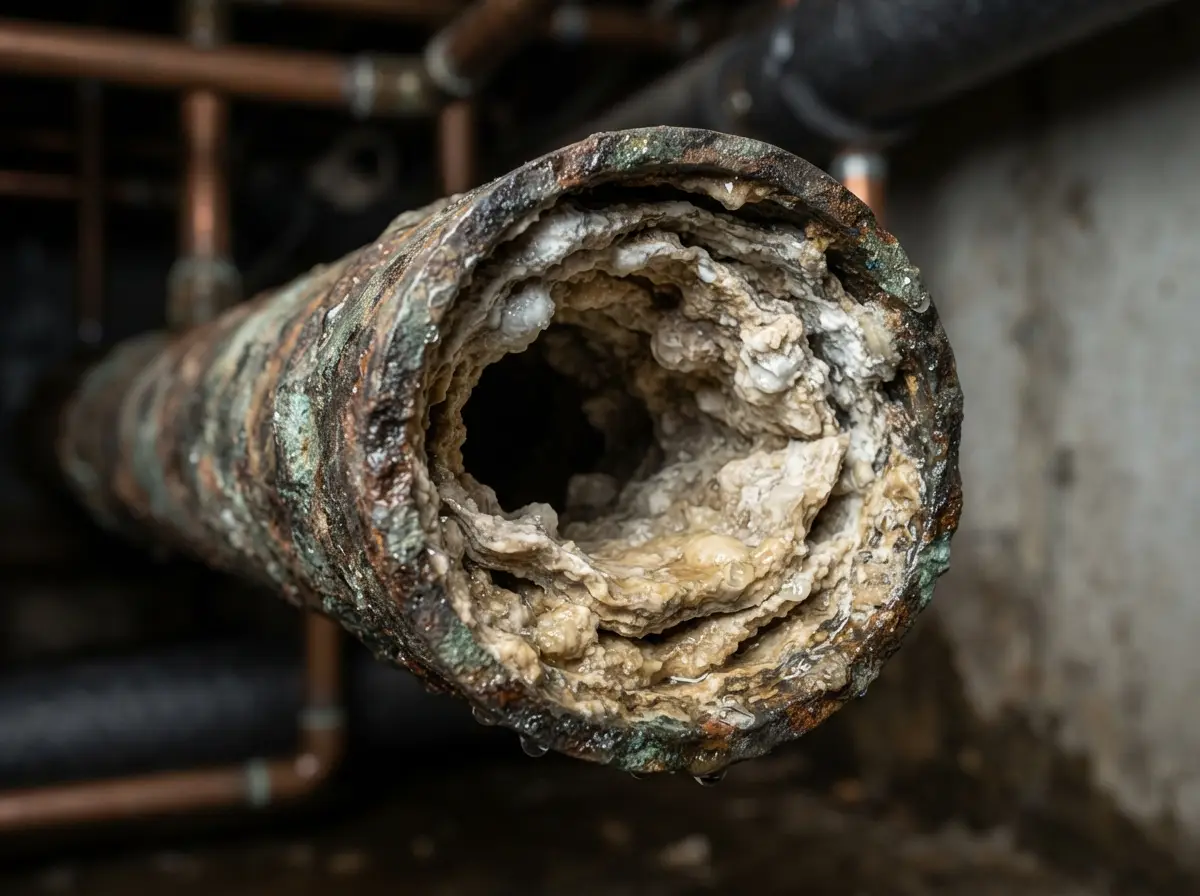
None of these signs alone always means a full repipe, but together they are worth a professional look.
- Water that runs rusty, brown, or discolored at more than one fixture, not just after a repair elsewhere in the house
- Pipe leaks that keep happening in different spots over a period of months or years
- Visible corrosion, pitting, or flaking on exposed galvanized pipe
- Water pressure that has dropped gradually across the whole house rather than at a single fixture
- A home built with original galvanized steel or polybutylene piping that has never been replaced
- A plumber has told you a section of pipe is failing and patch repairs are becoming a pattern rather than a one-time fix
Whole-House vs. Partial Repipe
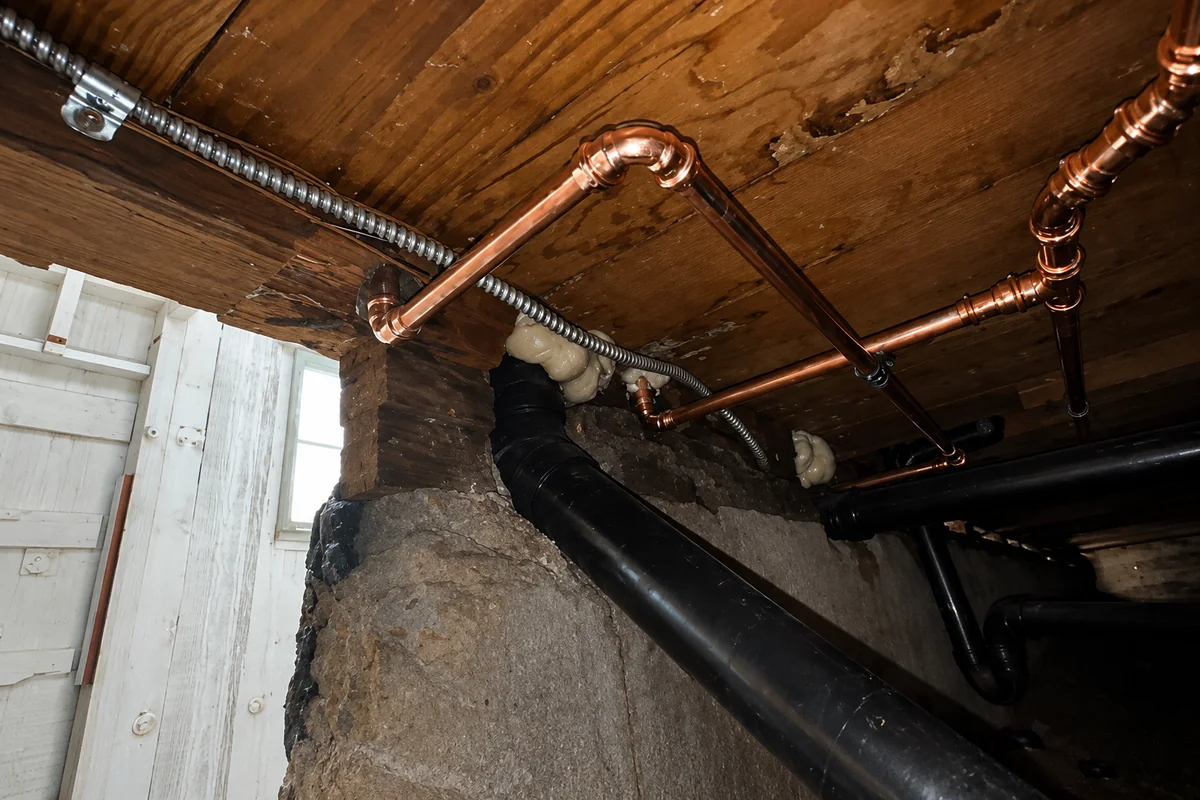
Not every home needs every line replaced at once. A whole-house repipe replaces all the water supply lines, typically because the original material, usually galvanized steel or polybutylene, has reached the end of its useful life throughout the home. A partial repipe replaces a defined section, for example the lines feeding one wing of the house, or the lines run through a specific wall or crawl space area that has failed repeatedly, while leaving newer or still-sound piping elsewhere in place.
Partial repipes make sense when the rest of the home’s plumbing is a different, newer material that is not showing the same failure pattern. They cost less than a whole-house repipe, but they do not reset the clock on the pipe you are leaving in place. We will tell you honestly during the inspection whether a partial repipe fits your situation or whether the rest of the system is close enough behind that a whole-house repipe is the better long-term value.
Whole-house repipe
Replaces all water supply lines when the original material is failing throughout the home.
Partial repipe
Replaces a defined problem section while newer or still-sound piping remains in service.
Choosing a Pipe Material
Ventura homes being repiped today generally use one of three materials. Each has real tradeoffs, not just a marketing preference.
Match the Material to the Home
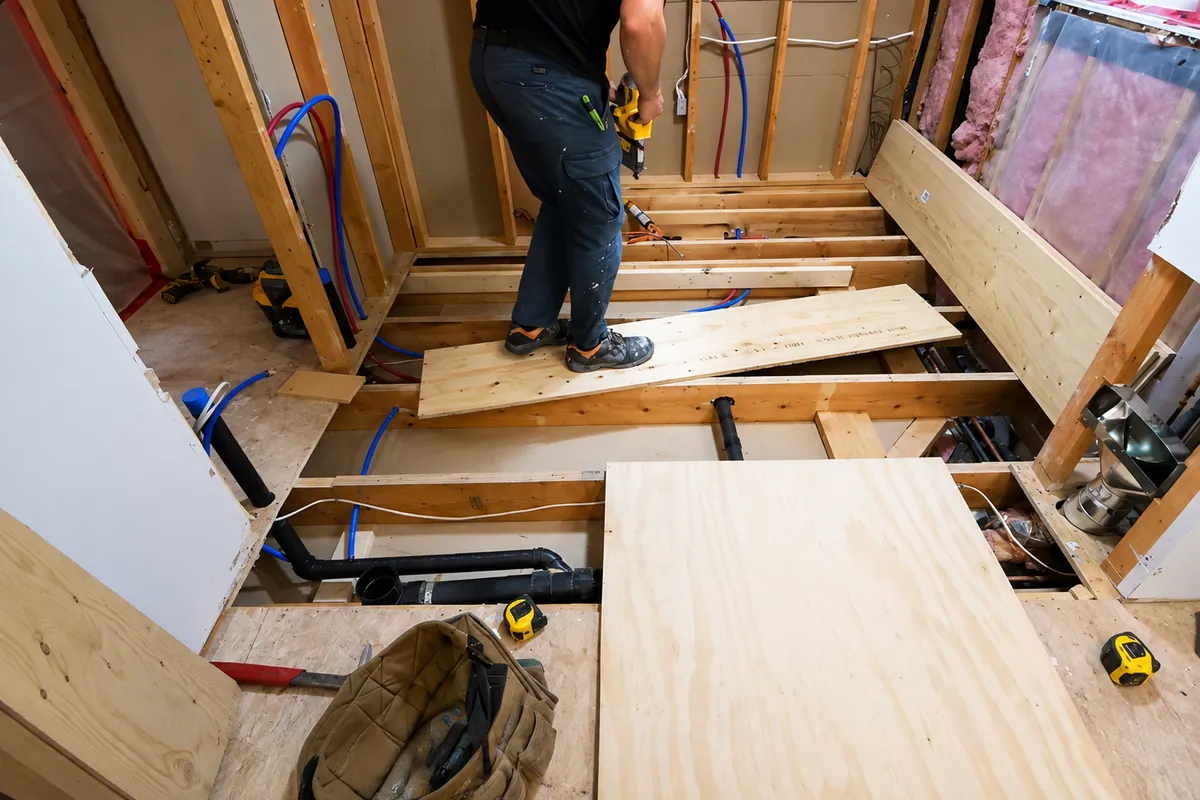
Many homes end up with a mix, PEX for the bulk of the distribution runs and copper stubbed out at fixtures or the water heater. We will walk through what makes sense for your specific plumbing layout during the estimate, not push one material as universally best.
California’s plumbing code allows PEX for water distribution, with requirements on fitting types and protection from ultraviolet exposure where it is not fully enclosed. California’s plumbing code sets a minimum of Type L copper for most water piping, with Type M allowed in narrower circumstances.
PEX
PEX (cross-linked polyethylene) is flexible plastic tubing that can be run in long continuous lengths with fewer joints than rigid pipe, which means fewer places for a future leak to start. It resists the mineral buildup that narrows copper and galvanized pipe over time, which matters in an area with hard water like Ventura. PEX cannot be run exposed outdoors or where sunlight reaches it long term, and it is not the right choice for every situation, including some high-heat exposures near certain appliances.
Copper
Copper is the traditional standard. It holds up well structurally, has a long track record, and many homeowners simply prefer it for that reason. Copper costs more than PEX in both material and labor, since it requires soldered or press-fit joints at every connection, and it is still subject to the same hard-water scale buildup that shortens the working life of fixtures and water heaters here.
CPVC
CPVC is a rigid plastic pipe that is less commonly chosen for whole-house repipes in this area today. It can become brittle with age and is more sensitive to certain chemical exposures than PEX. We will discuss it if it fits your situation, but for most Ventura repipes we recommend PEX or copper.
Manifold Systems vs. Trunk-and-Branch
This is the one decision that affects your home’s plumbing more than the pipe material itself, and it is rarely explained clearly before the work starts.
Trunk-and-branch
A trunk-and-branch layout runs a main line and branches off it to reach each fixture, similar to how most older copper systems were built. It uses less total pipe and can cost less upfront.
Manifold, or home-run
A manifold, or home-run, system runs an individual dedicated line from a central manifold to each fixture. California’s plumbing code allows this configuration and requires the manifold itself to remain accessible after installation, since it is where isolation valves for each fixture line typically live.
The practical benefit is real: if a line to one bathroom sink ever needs to be shut off or repaired, you close one valve at the manifold instead of shutting off water to the whole house or opening a wall to find a branch fitting. It can also mean steadier pressure at each fixture, since each line is not sharing flow with others upstream.
A manifold system usually costs somewhat more upfront because it uses more total pipe. For homes with multiple bathrooms, a history of leaks in hard-to-access walls, or homeowners who want to minimize future disruption, we think the tradeoff is often worth discussing. We will lay out both options with real numbers for your home rather than defaulting to whichever is easier for us to install.
What a Repipe Actually Looks Like, Day by Day
A typical whole-house repipe in a Ventura single-story home runs 2 to 4 days, depending on square footage, number of fixtures, and whether walls or just accessible chases and attic space are used to route new lines. A multi-story home or one with a slab foundation and no accessible crawl space can take longer.
You will be without water at your fixtures for stretches during the active work, though we coordinate this so you are not left without any water access overnight in most cases. We will give you a specific schedule for your home before work begins, not just a general range.
Day one
New supply lines are run through attic space, crawl space, or minimally invasive wall openings to each fixture location. Water is typically off for portions of this day.
Day two, and day three on larger jobs
Remaining lines are connected, fixtures are reconnected, and the system is pressure tested for leaks before any drywall is closed.
Final day
The system is fully tested under normal use, access openings are patched to drywall-ready condition, and the permit inspection is scheduled or completed.
Living Through a Repipe
This is usually the part homeowners worry about most, and it is a fair thing to ask before you commit.
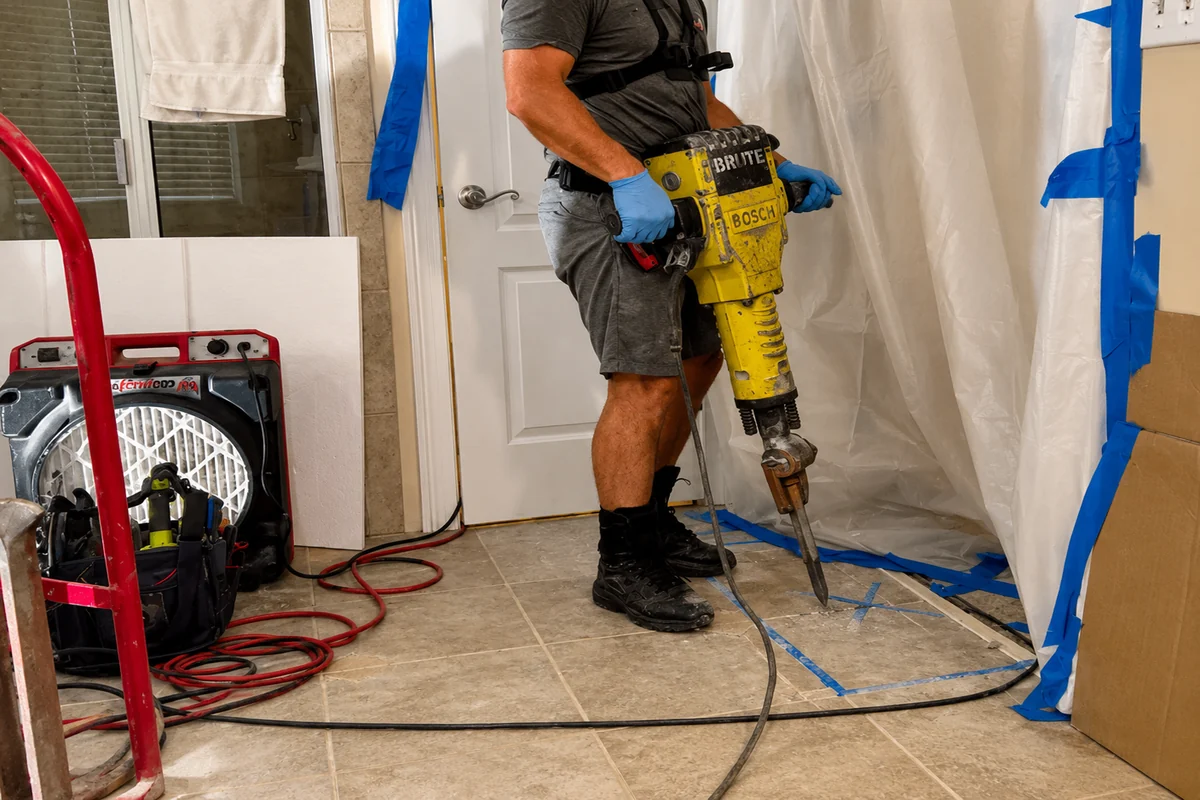
Most Ventura homeowners stay in the house during a repipe. The work is noisier and dustier in the rooms actively being accessed, but it is not the same level of disruption as a full remodel. Expect a handful of small access openings in walls or ceilings near fixture locations, typically patched to a paintable, drywall-ready state by us or coordinated with a drywall contractor, depending on what we agree to in your estimate. We will tell you upfront how many openings your specific layout is likely to need, since a slab home routed through the attic often needs fewer wall openings than one where lines have to reach fixtures from below.
Water is shut off in stages rather than for the entire multi-day job, and we always confirm with you before extending an outage past what we quoted.
Permits and Inspection
A repipe in Ventura requires a plumbing permit, and the work is subject to inspection before it is considered complete. We pull the permit and coordinate the inspection as part of the job. We are not able to quote an exact permit fee here, since fee schedules are set by the city and can change, but we will confirm the current fee for your project during the estimate rather than leaving it as a surprise on the final invoice.
What a Repipe Warranty Should Actually Mean
You will see some companies advertise a lifetime warranty on repiping work. Treat that claim carefully. There is no independent industry standard that defines what a typical repipe warranty length should be, so a lifetime warranty is a business decision by that company, not a benchmark every reputable plumber is expected to meet. What matters more is what the warranty actually covers, workmanship only, or workmanship and materials, and whether it is honored in writing. We will give you clear, written warranty terms for your specific job as part of the estimate, and we would rather you compare the actual terms than the headline number.
What Affects Repiping Cost
Every repipe quote depends on your home’s specific layout.
We provide a written estimate before any work begins, and free estimates on every job.
Why Ventura Homeowners Call Sespe Plumbing Pros
Sespe Plumbing started in Fillmore and has been serving California since 1992. That is decades of hands-on plumbing work in the communities we know. We are independently and locally owned. We give you a written estimate before work starts, with no surprise charges added afterward. We offer free estimates and 24-hour emergency availability across Ventura County.
Our Repiping Process
Call
Call 805-285-4021 to describe your situation.
Inspect
We schedule an in-person inspection of your current plumbing and layout.
Compare
We walk you through material and layout options, including manifold vs. trunk-and-branch, with real cost differences.
Estimate
You receive a written estimate before any work begins.
Approve
You approve the scope and schedule.
Repipe
We complete the repipe, pressure test the system, and coordinate the permit inspection.
Walkthrough
We walk you through the finished work and confirm everything is functioning correctly.
Unsure Whether Your Home Needs Repiping?
Call for a free in-person estimate and a straightforward explanation of the repair, material, layout, and access options for your home.
Frequently Asked Questions
How do I know if I need a repipe instead of another repair?
How long does a whole-house repipe take?
Will I be without water during the repipe?
Should I choose PEX or copper?
What is a manifold system, and is it worth the extra cost?
Do I need a permit for a repipe in Ventura?
Where We Work
We repipe homes throughout Ventura and the surrounding communities we have served since 1992. If you are still deciding between repair and replacement, see Slab Leak Repair. Water Leak Detection and Broken Pipe Repair pages are being prepared. For a full list of what we do, visit our services page, or return to our Ventura plumbing homepage.
Get a Straight Answer About Repiping
If your home has had more than one pipe failure, or the water pressure and clarity have declined across multiple fixtures, it may be time to talk about repiping. Call 805-285-4021 for a free estimate and a straight answer about what your home actually needs.