Hydro-Jetting in Ventura, CA — Camera-First, No Guesswork
If a line has been cabled two or three times and keeps closing up, cabling is not the answer. Something is coating the pipe wall, and a cable punches through it rather than removing it. Hydro-jetting scours the wall itself. Sespe Plumbing Pros has been clearing sewer and drain lines across Ventura since 1992.
Free estimates. A real person answers the phone. Call 805-285-4021 now.
Hydro-Jetting in Ventura
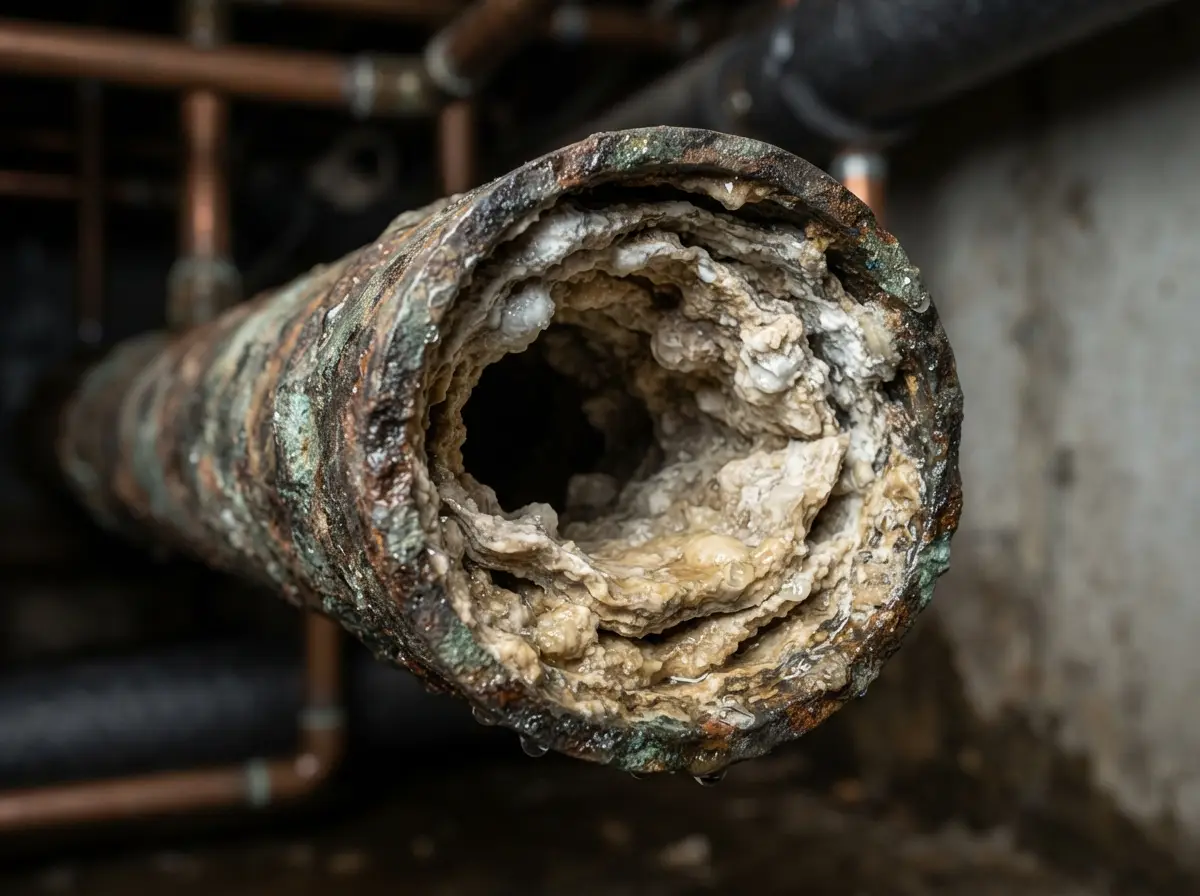
Hydro-jetting cleans a sewer or drain line with high-pressure water delivered through a specialty nozzle. It removes grease, sludge, sediment, soft root material, and loosened scale from the full circumference of the pipe rather than opening a channel through the middle of a blockage. It is usually the right call for lines that clog repeatedly, kitchen and restaurant grease lines, and main lines that stay slow after cabling. A camera inspection comes first. Call 805-285-4021.
Trusted by Ventura County homeowners since 1992.
Jetting Compared to Cabling
A drain cable is a rotating steel line with a cutting head. It is fast, it is inexpensive, and for an isolated clog it is the correct tool. What it does is make an opening. Whatever coats the pipe wall on either side of that opening stays where it is.
Jetting works differently. Water at high pressure exits a nozzle through rear-facing jets that both propel the hose up the line and blast the pipe wall behind it as the hose is drawn back. The result is a pipe cleaned around its full circumference and the loosened material flushed downstream rather than left in place.
That difference matters in exactly one situation, and it is worth being clear about it. If your line clogged once and cabling fixed it, jetting was not necessary. If your line clogs on a predictable cycle and each interval is shorter than the last, the wall is the problem and cabling will keep buying you shorter and shorter reprieves.
When Cabling Is Enough
We do not upgrade a cabling job to a jetting job because the truck is already there. If cabling is the right tool, cabling is what we quote.
When Jetting Is the Better Tool
Why We Camera the Line First
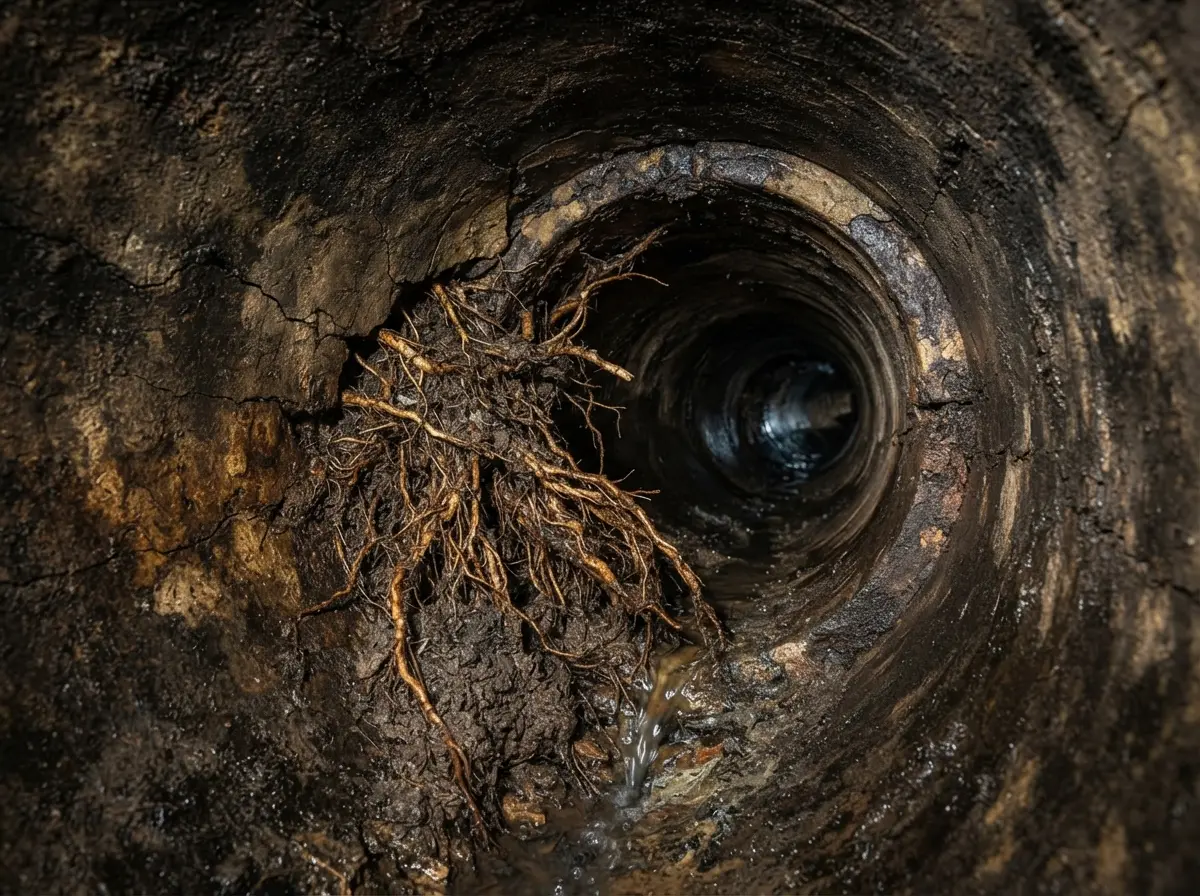
Sending high-pressure water into a pipe you have not looked inside is how a bad situation becomes an expensive one. The camera answers questions that change the job.
What Is the Pipe Made Of?
Clay, cast iron, Orangeburg, ABS, and PVC do not respond the same way, and Orangeburg in particular is a material that should generally not be jetted.
What Condition Is It In?
Cracks, offset joints, missing pipe wall, and collapsed sections are all reasons to stop.
Is There a Belly?
A sagging section holds standing water. Jetting cleans it and the sag remains, so the line fills again.
Is the Blockage Soft or Structural?
Roots growing through a fractured joint are a pipe problem wearing a clog costume.
Where is the usable access? Cleanout location determines how the job is run and sometimes whether it can be run at all. Our sewer camera inspection page covers that service on its own.
What Would Make Us Decline to Jet Your Line
This is not a common section on a plumbing page, and it is the most honest thing we can tell you about this service. There are lines we will not put pressure into.
Collapsed or Cracked Sections
A collapsed or partially collapsed section is the clearest case. There is nothing to clean, and pressure against a failed wall makes the failure larger. A visible longitudinal crack or a missing section of pipe wall is the same answer.
Orangeburg Pipe
A bituminized fiber material used in some construction from roughly the 1940s through the 1960s. It softens and deforms with age. Pressure is not what that pipe needs.
Severely Corroded Cast Iron
Where the wall has thinned to the point of flaking through, it is a judgment call, and we will show you the footage and explain where the line sits rather than deciding for you.
In each of those cases the conversation moves to repair rather than cleaning. Depending on what the camera shows that means sewer line repair for a localized failure or trenchless sewer replacement when the line has failed along its length.
Scale and Descaling in Older Cast Iron
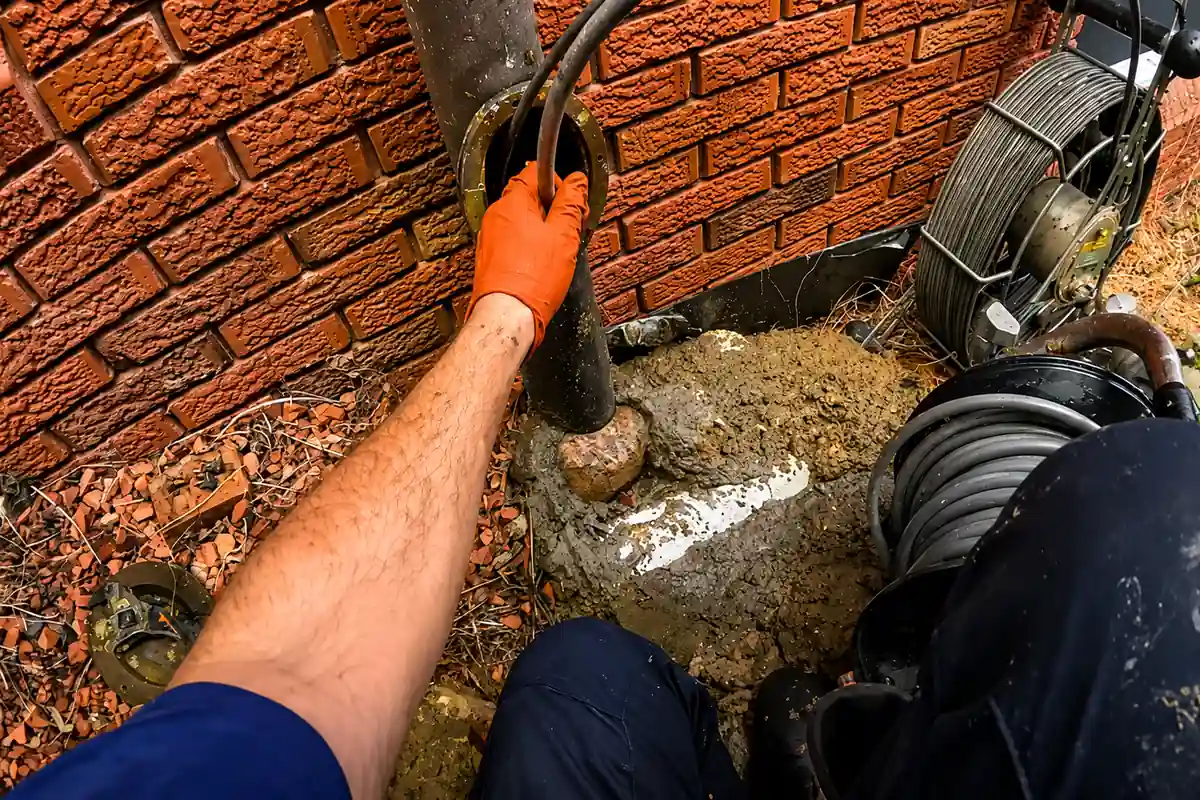
Cast iron sewer lines are common in older Ventura housing, and they fail in a specific way. The interior corrodes and builds a rough, hardened crust that reduces the usable diameter and catches everything passing through. The line can be technically open and still be functionally half its original size.
Hardness is part of why that crust builds here. Ventura Water’s 2024 water quality report gives hardness by source: Lake Casitas about 263 ppm (15 grains), Ventura River about 445 ppm (26 grains), local groundwater averaging 637 ppm (37 grains) with readings up to 911 ppm (53 grains). The USGS calls anything above 180 ppm very hard, which puts the entire local supply well past that mark.
Here is the distinction that matters when comparing quotes. Jetting removes soft material and flushes out debris. Hardened mineral and rust scale bonded to a cast iron wall often needs mechanical action first, using a chain knocker or similar cutting head, to break the crust loose. A quote for jetting alone on a heavily scaled cast iron line may not deliver what you are expecting, and we would rather explain that up front.
Restaurants and Commercial Kitchens
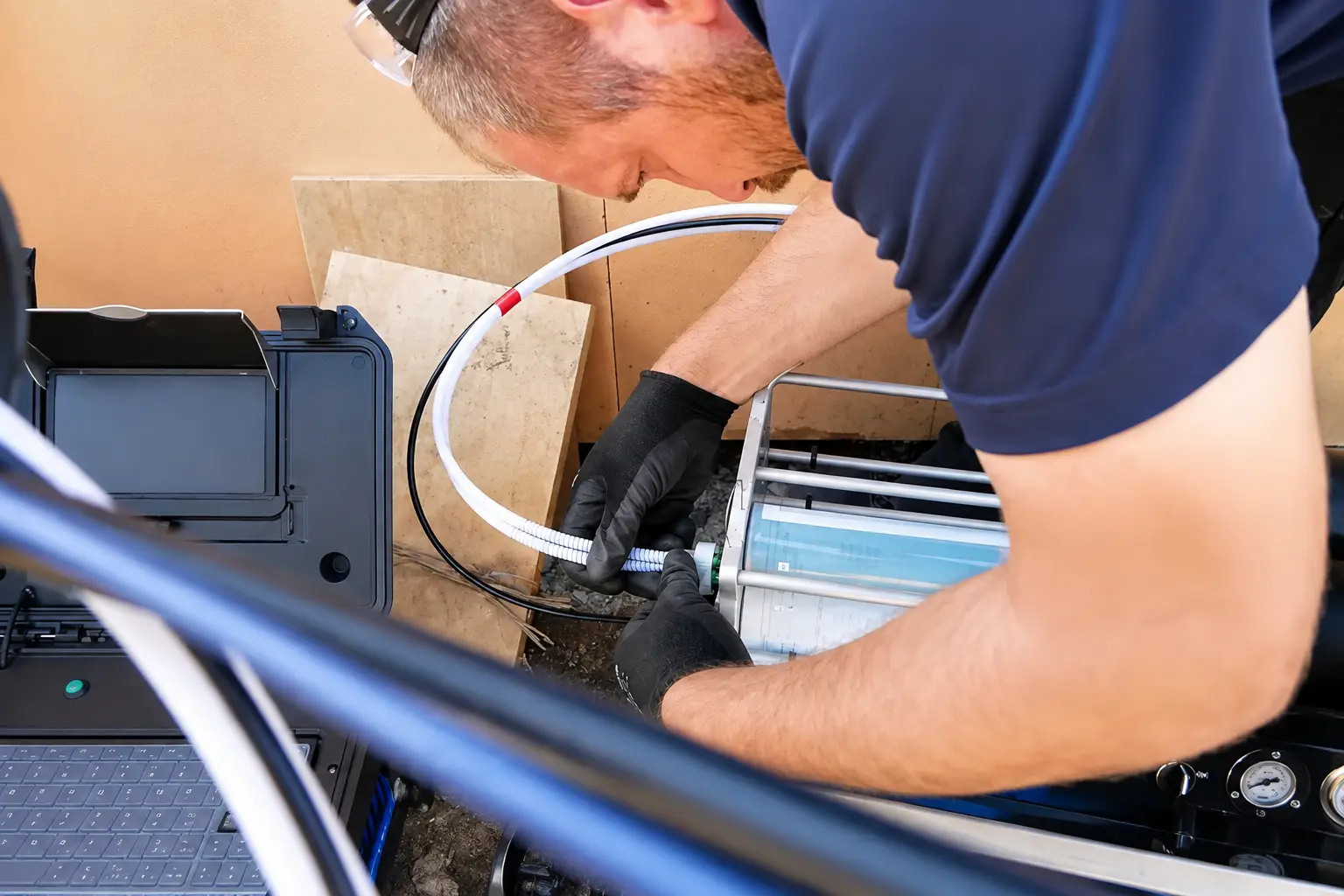
Commercial kitchen lines are a different problem from residential lines, not just a bigger one. Grease enters daily in volumes a household never produces, and it enters warm. A grease trap catches a portion of it. The rest coats everything downstream.
The failure pattern is predictable. Lines back up during service, at the worst possible hour, usually after the drains have been giving quiet warnings for weeks. Because the buildup rate is steady, scheduled cleaning generally works better than waiting for a backup, and it costs less than an emergency call during dinner service.
We will not quote you a universal interval, because a high-volume fryer operation and a coffee shop are not on the same schedule. What we can do is clean the line, look at what came out, and give you a realistic starting interval to adjust from. We also handle multi-unit residential buildings, where shared lines concentrate the same problem across many tenants.
Why Ventura Property Owners Call Sespe Plumbing Pros
A 4.5-star Google rating, a BBB A+ rating, and 30 Nextdoor Faves do not happen by accident. Sespe Plumbing Pros has earned that reputation one job at a time since 1992, right here in Ventura County.
Our Process
Call 805-285-4021
Describe the pattern, especially how often the line has backed up and what was done last time.
We Locate Access
Usually a cleanout, opened and confirmed.
Camera Inspection
We confirm pipe material, condition, and whether jetting is appropriate at all.
Written Estimate
Including whether descaling is needed alongside jetting, so there are no additions later.
You Approve
If we recommend against jetting, we explain what we saw and what we would do instead.
We Clean the Line
Matching nozzle and pressure to the pipe rather than running one setting on everything.
Post-Cleaning Camera Pass
So you can see the wall, not just a drain that is moving.
Cabled the Same Line More Than Once?
If it keeps closing back up, cabling isn’t the problem you think it is. Ask us whether jetting is actually the right call for your line.
What Affects Hydro-Jetting Cost
What Moves the Number
The Bottom Line
If the camera shows the line needs repair rather than cleaning, that is a separate estimate and we will say so before doing anything else.
Estimates are free and given in writing before work begins.
Local Conditions Behind Recurring Ventura Backups

Two things drive most of the repeat-jetting calls we take here.
Pipe age and material. Older Ventura housing commonly runs on cast iron and vitrified clay laterals. Cast iron scales inward. Clay separates at the joints as the ground moves and lets roots in. Neither material fails all at once, which is why the symptom is usually a line that gets slower over years rather than a line that stops.
Water hardness, at the levels published above. Scale accumulation is faster on the groundwater end of the local range, and homes without a softener see it in both supply and waste lines. Coastal and low-lying properties also deal with sand and fine sediment settling along the bottom of a line, which behaves differently from grease and often responds well to flushing.
Frequently Asked Questions
What is the difference between hydro-jetting and snaking?
Can hydro-jetting damage my pipes?
Is hydro-jetting safe for old cast iron pipes?
How long does hydro-jetting last?
Does hydro-jetting kill tree roots permanently?
What is the difference between jetting and descaling?
How often should a restaurant have its lines jetted?
Should I have my drains jetted as preventive maintenance?
How much does hydro-jetting cost in Ventura?
Service Areas
Sespe Plumbing Pros jets residential and commercial lines throughout Ventura and Ventura County.
Related: Sewer Camera Inspection, Sewer Line Repair, and Emergency Plumber for an active backup.
Line Keeps Clogging? Clean the Wall, Not Just the Opening
Call 805-285-4021 for a free estimate and a camera look before anything is quoted.